Ohio & Erie Canalway seeks 2026 project proposals and partners
The Ohio & Erie Canalway Association is accepting letters of intent for 2026 project funding; deadline is Feb. 13. Local groups can pursue grants that support trails, historic sites and visitor services.

The Ohio & Erie Canalway Association announced Jan. 16 that it is accepting letters of intent for its 2026 Strategic Initiatives Program, a competitive funding stream aimed at conserving and developing natural, recreational, cultural and historic resources across the Ohio & Erie Canalway National Heritage Area. Letters of intent are due by 5 p.m. Feb. 13 and must be submitted to George Ebey at gebey@ohioeriecanal.org.
The program serves projects located within the 110-mile heritage area, which covers Cuyahoga, Summit, Stark and Tuscarawas counties and a portion of Wayne County. Eligible applicants include State of Ohio political subdivisions, nonprofit organizations and other entities whose projects fall inside the heritage area boundaries. Applicants who submit a letter of intent are required to attend an orientation session during the week of Feb. 16.
Officials point to a long record of leveraging private and public investment: the Strategic Initiatives Program has awarded more than $19 million to projects, plans and programs and has matched those awards with more than $355 million from private, local, state and other nonfederal sources. Past investments include construction of the Ohio & Erie Canal Towpath Trail, support for the Cuyahoga Valley Scenic Railroad, America’s Byway designations and visitor services throughout the canalway corridor.
For Holmes County residents and organizations, the program presents an indirect but tangible opportunity. Holmes County is not among the counties designated within the heritage area, yet regional investments in trail infrastructure, scenic byways and visitor amenities can produce spillover benefits for neighboring communities through increased tourism, longer visitor itineraries and partnerships on cross-jurisdictional trail connections. Local governments and nonprofits that seek to tap those benefits will need to assess whether proposed work lies within the heritage area or whether collaborative projects with partners inside the area are feasible.
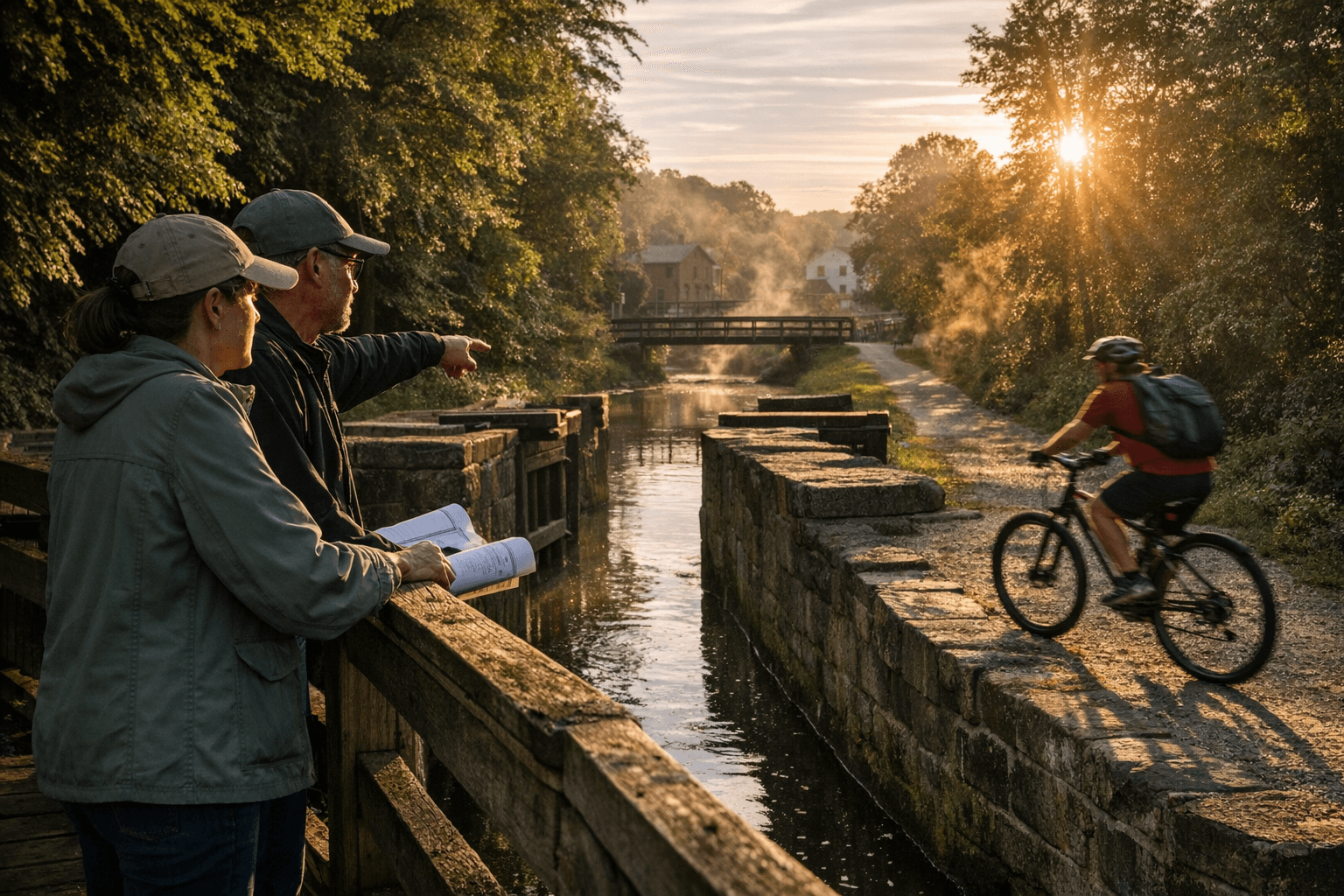
The association provides a downloadable letter of intent form, a map of the National Heritage Area, eligibility requirements and examples of previously funded initiatives on its website. Questions about the program or specific proposals may be directed to George Ebey at 330-374-5657 or gebey@ohioeriecanal.org.
Policy-wise, the program’s emphasis on matching funds highlights how state and nonprofit applicants must marshal local resources to compete. That leverage can amplify public dollars but also requires coordination among political subdivisions, land managers and community groups. For local stakeholders, the immediate next steps are clear: review the heritage area map, determine project eligibility, submit a concise letter of intent by Feb. 13 and plan to attend the Feb. 16 orientation. The outcome will shape which conservation and recreation projects move forward in the region and how local partners position themselves for future infrastructure and tourism investment.
Sources:
Know something we missed? Have a correction or additional information?
Submit a Tip