Ohio State report says former president sought favors for podcaster, misused office
Ohio State said Walter Carter used his presidency to seek jobs, space and funding for podcaster Krisanthe Vlachos while hiding the effort across emails and meetings. The university says its controls stopped the favoritism before public money was lost.
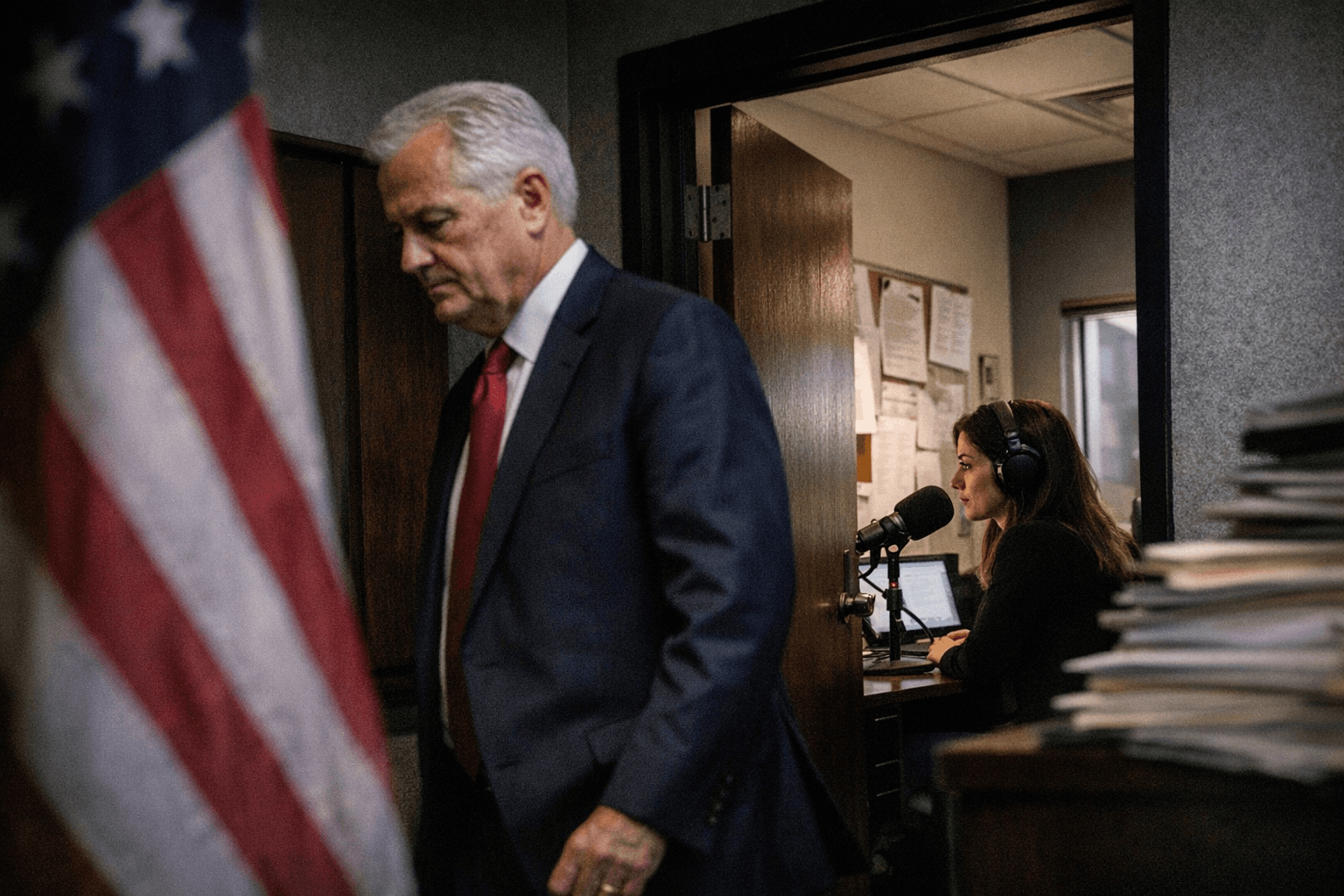
Walter “Ted” Carter Jr. used Ohio State’s top office to press for jobs, campus space, podcast help and other benefits for Krisanthe Vlachos, then tried to keep the effort fragmented and out of view, according to a university investigation released Monday. The report says Carter put his own interests and Vlachos’ interests ahead of the university’s and used his authority for nearly two years to help her inside and outside Ohio State.
The 47-page report says Carter sought university employment for Vlachos, space for her business, staff and technical help for her podcast, staff support for business projects, university investment in her proposals, and backing from key external partners. Investigators said he concealed the effort through personal email, personal calendar meetings and staggered requests so no single employee could see the full scope. The report says Vlachos was never hired and never received university funds, and that university processes ultimately stopped the effort from succeeding.
Ohio State said the Board of Trustees requested the investigation on March 8, the day after Carter resigned on March 7. The board accepted his resignation on March 9, ending a presidency that began January 1, 2024. The university released the report and underlying records publicly on April 21, 2026. Ohio State also said no additional personnel actions were recommended after Carter’s resignation and the April 14 resignation of Senior Vice President Chris Kabourek, though the institution said it would continue responding as appropriate to state and federal inquiries.
The findings point to a breakdown in oversight at the highest level of the university, even as internal controls blocked the outcome. Board Chair John W. Zeiger called the findings “deeply disappointing” but said Ohio State’s systems and processes prevented misuse of university resources. Vice President and Chief Compliance Officer Gates Garrity-Rokous said the case showed the need to keep examining and adjusting internal processes while reinforcing institutional values.
The report recommends stronger independent review of presidential travel and expenditure requests, closer review of leadership requests for help within university units, and revised ethics and insider-threat training for senior leaders. NBC4 reported that investigators interviewed 60 internal and external sources, found at least five trips and 24 separate meetings between Carter and Vlachos, and said three state and two federal agencies inquired after Carter’s resignation. Another report said Vlachos had a WOSU production agreement worth about $93,000 for 50 episodes and received $60,000 from JobsOhio for four podcast episodes, underscoring how the case exposed not just personal misconduct, but the pressure it placed on university governance, compliance and public trust.
This article was produced by Prism’s automated news system from verified source data, official records, and press releases, then run through automated quality and moderation checks before publishing. The system is built and supervised by the people who set the standards it runs under. Read our full AI policy.
Did this article answer your question?

