Supreme Court weighs FCC fines against AT&T and Verizon over jury rights
Supreme Court justices weighed whether the FCC can impose multimillion-dollar privacy fines without a jury, a ruling that could reshape agency enforcement far beyond telecom.
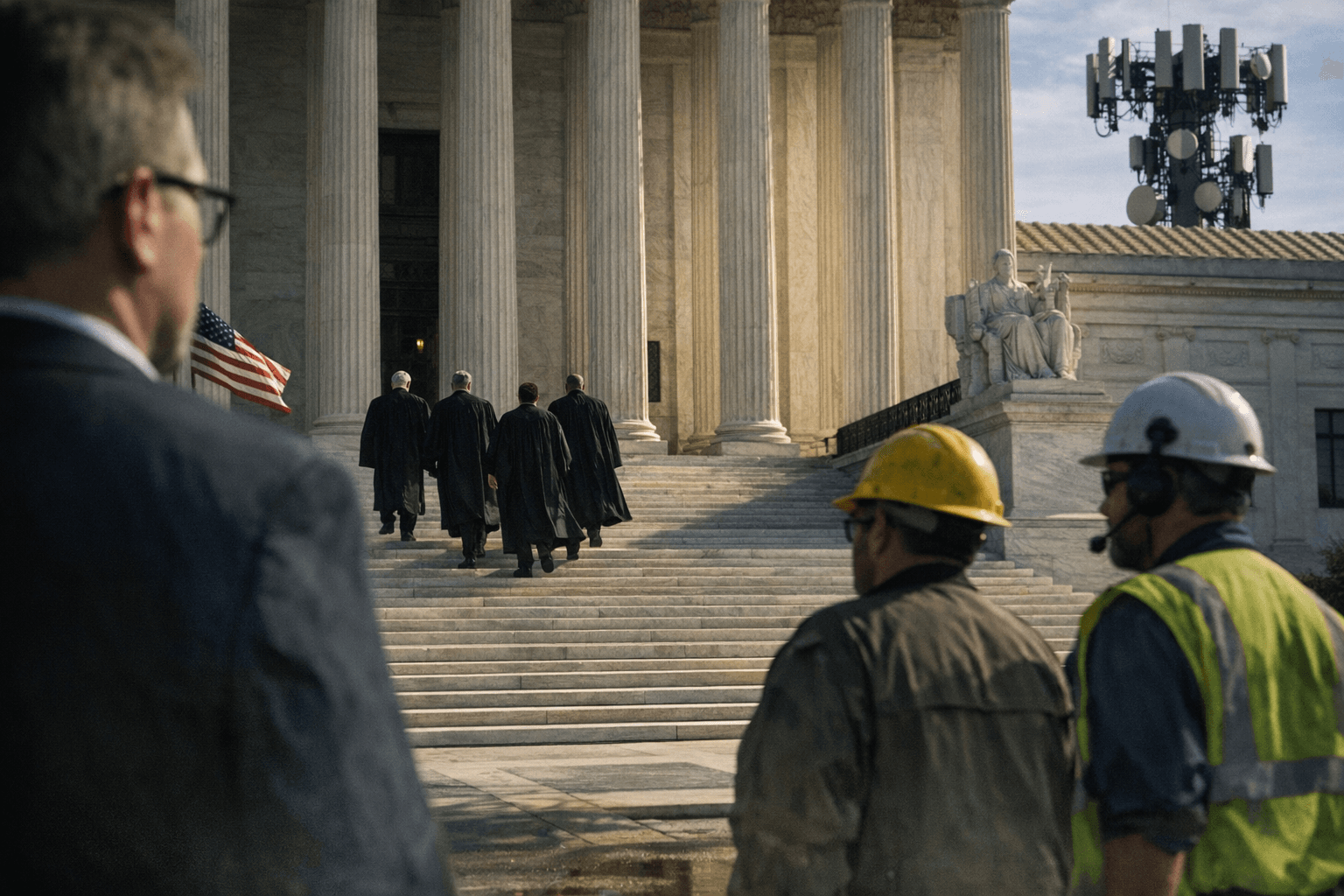
The Supreme Court heard a fight over more than $100 million in wireless privacy penalties and, with it, a test of how far federal agencies can go without a jury. AT&T and Verizon argue the FCC crossed a constitutional line when it imposed binding fines through its own administrative process, setting up a clash over the Seventh Amendment, Article III and the enforcement power Congress gave the agency in the Communications Act of 1934.
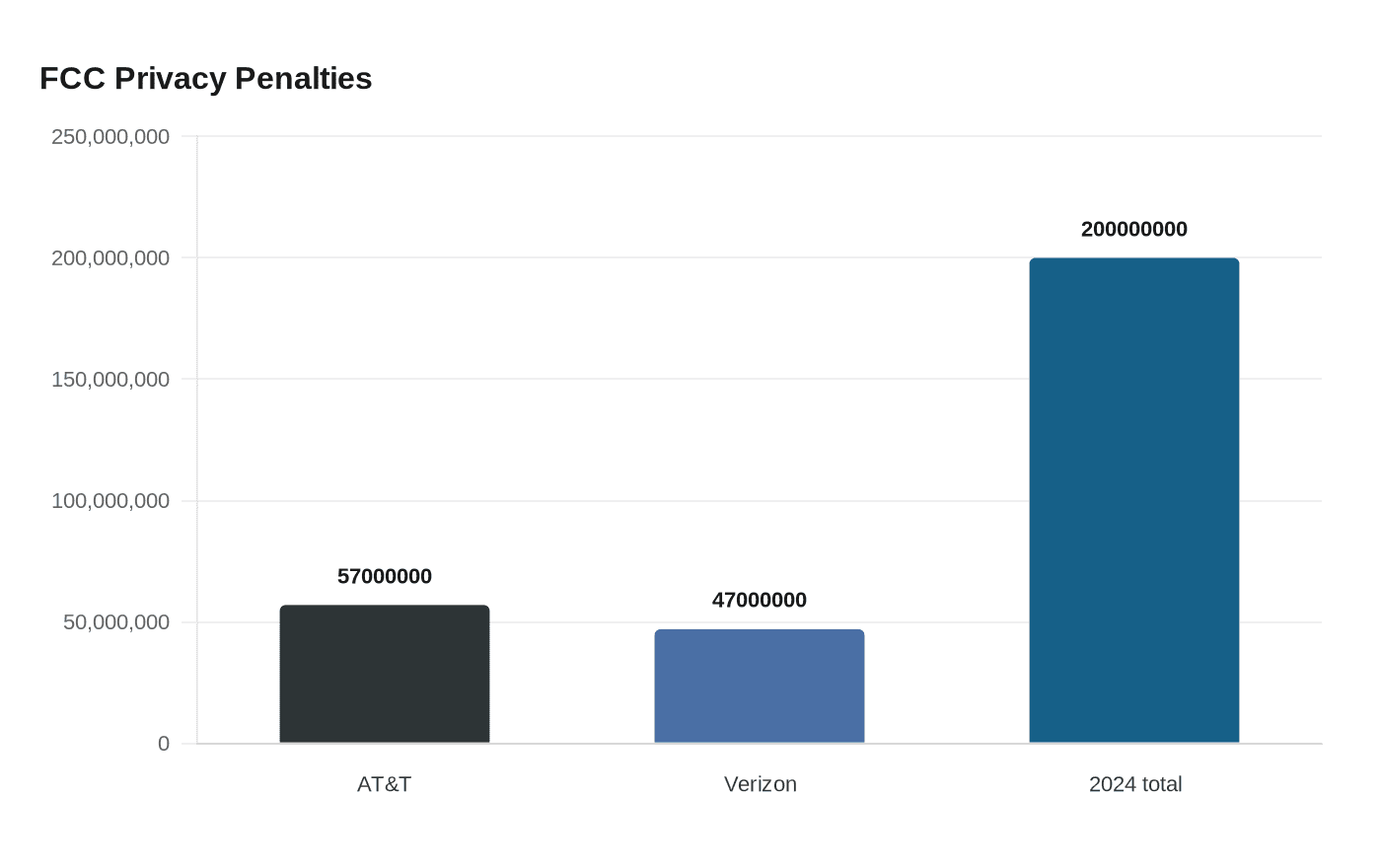
The underlying penalties came on April 29, 2024, after the FCC said the carriers unlawfully shared customers’ location information with outside aggregators and failed to take reasonable measures to protect it from unauthorized disclosure. The agency fined AT&T more than $57 million and Verizon nearly $47 million. Together with related actions against T-Mobile and Sprint, the FCC’s 2024 crackdown totaled almost $200 million.
AT&T and Verizon say the agency’s forfeiture orders are not tentative warnings but final demands for payment, issued without the jury trial the Constitution requires. The FCC’s position is different: carriers can refuse to pay and challenge collection in court later. That procedural distinction is now at the center of the case, consolidated under No. 25-406, which the justices heard on April 21, 2026.
The dispute has split the lower courts. The U.S. Court of Appeals for the Fifth Circuit ruled for AT&T, while the U.S. Court of Appeals for the Second Circuit upheld Verizon’s fine. That split sent the issue to the justices in a post-Jarkesy environment, where the Court’s 2024 SEC v. Jarkesy decision has already sharpened scrutiny of agency-run enforcement systems that sidestep juries.
The FCC warns that an adverse ruling could weaken its ability to enforce privacy and robocall rules, both central to its consumer-protection mission. AT&T and Verizon, backed by telecom and conservative legal groups, argue the current system lets the agency act as judge, jury and enforcer. On the other side, former FCC chairs and consumer advocacy groups have urged the Court to preserve the agency’s authority.
At stake is not only how the FCC polices wireless location data, but whether a major federal regulator can still use in-house forfeiture proceedings as a fast and binding enforcement tool. If the justices narrow that power, the impact could extend well beyond these carriers to the broader administrative state.
This article was produced by Prism’s automated news system from verified source data, official records, and press releases, then run through automated quality and moderation checks before publishing. The system is built and supervised by the people who set the standards it runs under. Read our full AI policy.
Did this article answer your question?

