Oil and gas prices jump after strikes disrupt Strait of Hormuz shipments
Oil surged as Gulf strikes and LNG suspensions cut shipments through the Strait of Hormuz, sending U.S. pump prices to $3.24 and markets into volatile trading.
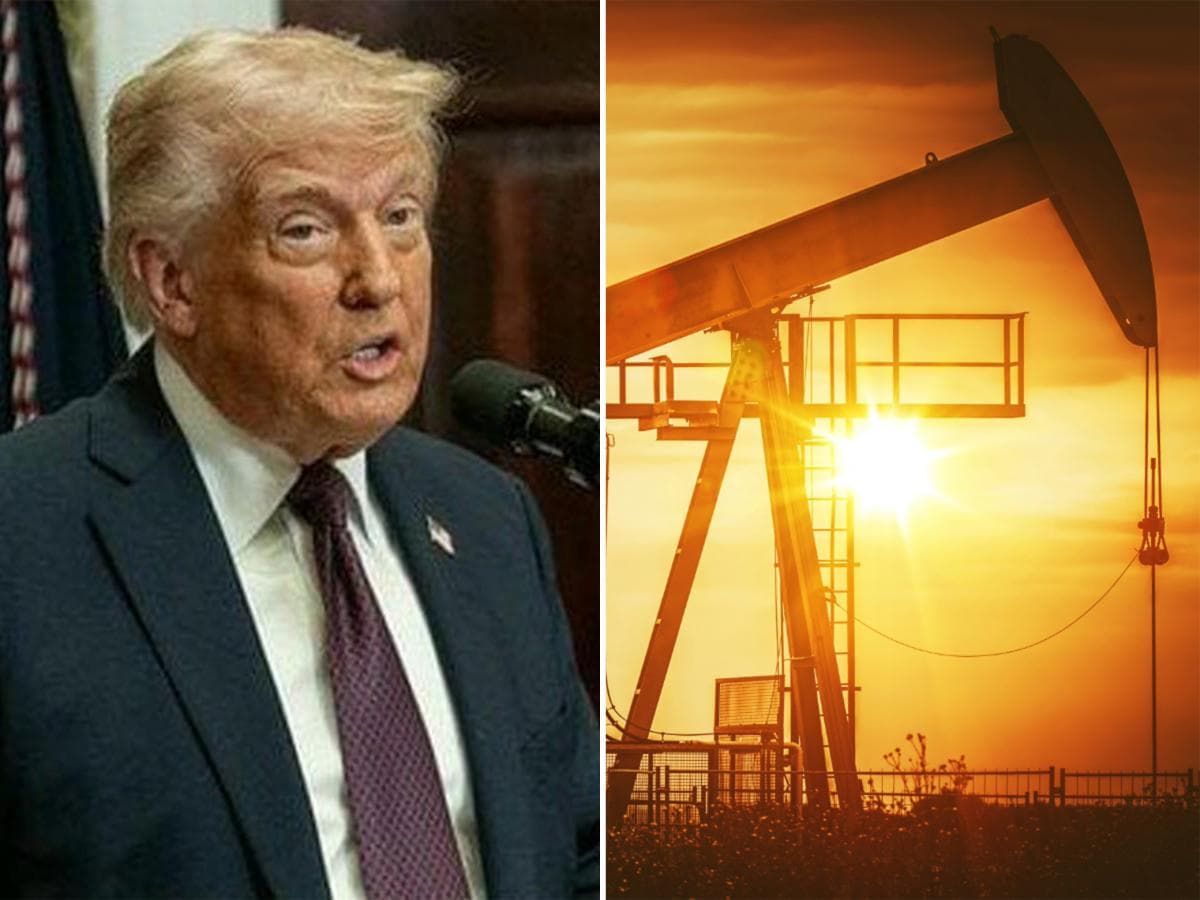
Oil and gasoline prices jumped sharply as strikes and drone attacks in the Gulf forced producers to halt shipments and a leading LNG exporter to suspend output, squeezing global supply routes that carry roughly 20% of the world's oil. The immediate impact hit drivers in the United States and rattled markets from London to Frankfurt.
Factset data show West Texas Intermediate rose to $86.57 a barrel, an increase of 6.8%, while Brent crude climbed to $89.44, up 4.7% and trading near its highest levels since April 2024. Earlier in the week Brent briefly hit $82 a barrel and some market snapshots showed U.S. benchmark futures near $72 before prices surged again, underscoring how rapidly conditions have shifted in a few days. One report put oil above $90 a barrel, a higher figure that reflects fast-moving intraday swings and differing snapshot times.
U.S. motorists felt the effects at the pump. GasBuddy data put the national average at $3.24 per gallon; the company said the average has jumped more than 23 cents in 48 hours and "could climb another 25 cents in the next two weeks if the war does not de-escalate." Patrick De Haan of GasBuddy warned that "this is something that’s going to start impacting gas prices starting today" and that stations could be alerted to supplier price jumps within hours.
The transport choke point at the heart of the shock is the Strait of Hormuz. At least three ships were attacked near the strait over the weekend and several shipping lines halted or rerouted vessels, cutting flows through a waterway that normally handles about 20% of global oil shipments. QatarEnergy, one of the world's biggest exporters, said it suspended liquefied natural gas production after what it described as "military attacks" on its facilities. Qatar's Ministry of Defence said a drone launched from Iran targeted a facility in Ras Laffan Industrial City and that another drone hit a water tank at a power plant in Mesaieed south of Doha. Saudi Aramco temporarily shut its Ras Tanura refinery on the coast after it was struck by a drone.
Those strikes and counterstrikes have mixed military and diplomatic consequences. Israeli airstrikes pummeled Tehran and Lebanon, and President Trump’s demand for Iran’s "unconditional surrender" has heightened fears of a protracted conflict that could deepen energy market disruption.
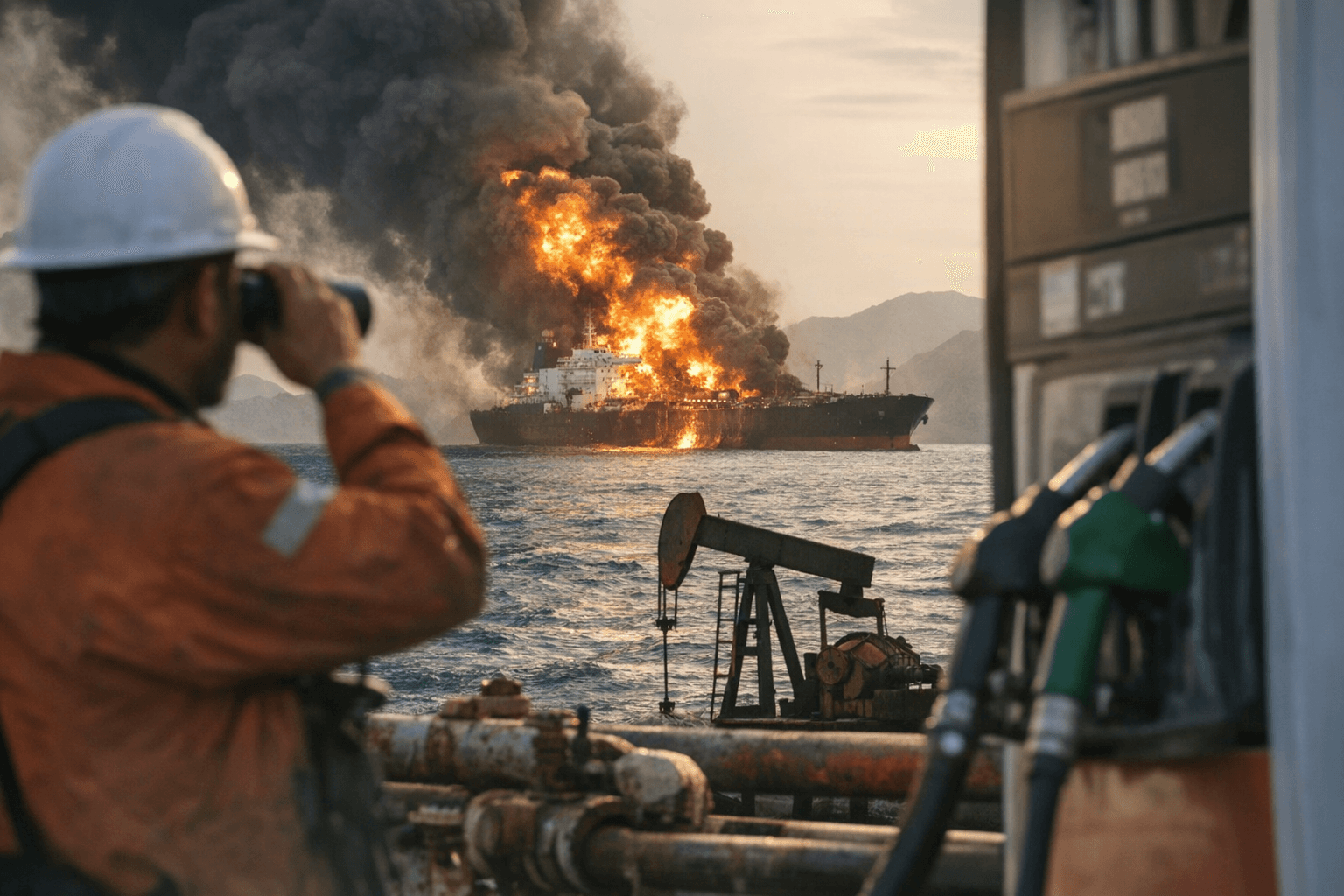
Analysts said the immediate crude reaction has already lifted costs to refiners and traders. Tom Kloza, a veteran energy analyst, said, "We saw an immediate knee-jerk reaction that so far has added $3.75-$5/bbl for crude. Brent, the international blend, was more impacted than WTI." Unnamed market analysts warned that a prolonged war could push Brent above $100 a barrel.
Financial markets reflected the shock. European indexes closed sharply lower, with the CAC-40 down 2.2%, the DAX down 2.6% and the FTSE 100 off about 1.2% as airlines and banks were hit. U.S. indexes opened lower but recovered to close marginally higher in some sessions, illustrating investor attention to energy-driven inflation risks and the possibility of fewer central bank rate cuts if prices remain elevated.
For consumers the near-term takeaway is clear: expect continued volatility at the pump and wider ripple effects across markets until shipping lanes and major energy facilities are secured or production is restored. Public statements from QatarEnergy, Aramco and maritime authorities, plus updated price ticks from data providers, will determine whether this episode becomes a short shock or the start of a sustained rise in global energy costs.
This article was produced by Prism’s automated news system from verified source data, official records, and press releases, then run through automated quality and moderation checks before publishing. The system is built and supervised by the people who set the standards it runs under. Read our full AI policy.
Did this article answer your question?


