Oil demand set to contract as war drives prices higher
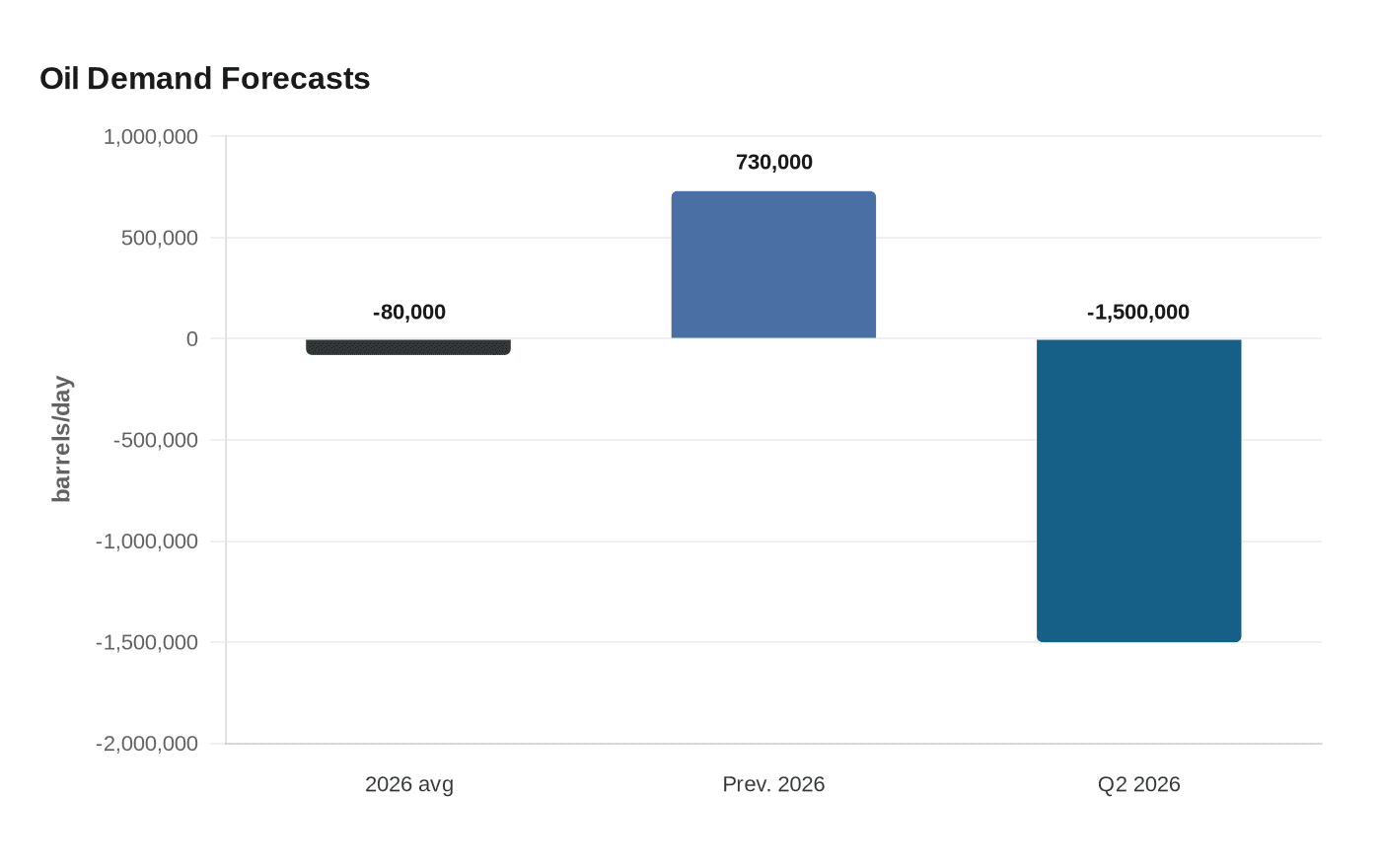
Oil demand is now forecast to shrink by 80,000 barrels a day in 2026 as war-driven prices ripple through fuel use, travel costs and inflation expectations.
Oil demand is no longer being described as a simple growth story. The International Energy Agency now projects global consumption will contract by 80,000 barrels a day on average in 2026, a sharp reversal from its earlier forecast for growth of 730,000 barrels a day.
The warning matters because the pressure is already showing up where price spikes first bite. The IEA said a 1.5 million-barrel-a-day decline in the second quarter of 2026 would be the steepest since Covid-19 crushed fuel use, with the deepest cuts so far in the Middle East and Asia Pacific, especially in naphtha, LPG and jet fuel. The agency described the war-related supply disruption as the largest in history, as fighting in Iran and disturbances to tanker traffic through the Strait of Hormuz tightened an already tense market.
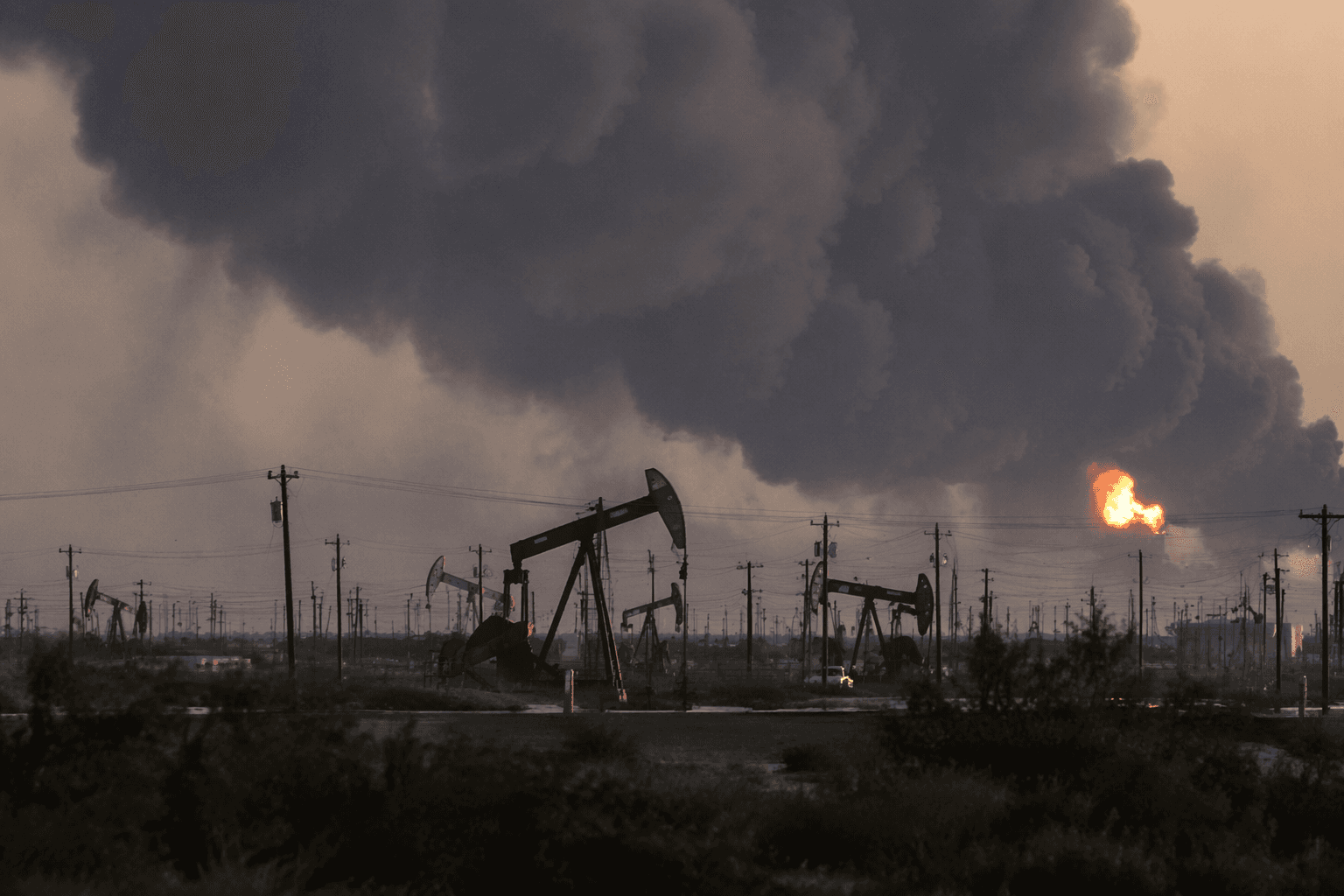
Low inventories are making that squeeze more dangerous. Reuters reported on June 5 that global oil stockpiles were running dangerously low, leaving markets exposed to another price shock in the coming weeks. That is the point at which high prices stop being just an energy story and start becoming a broader economic drag: households change how much they drive and spend, airlines face higher fuel bills, refiners and industrial users cut back, and inflation expectations can harden if the surge lasts.
Goldman Sachs chief executive David Solomon said on June 2 that high oil prices could alter consumer behavior in the second half of 2026 if inflation picks up. The World Bank has said Brent could average as high as $115 a barrel next year in a severe disruption scenario, far above its baseline forecast of $86. Those gaps are large enough to reshape budgets for airlines, shippers and manufacturers, not just traders watching screens.
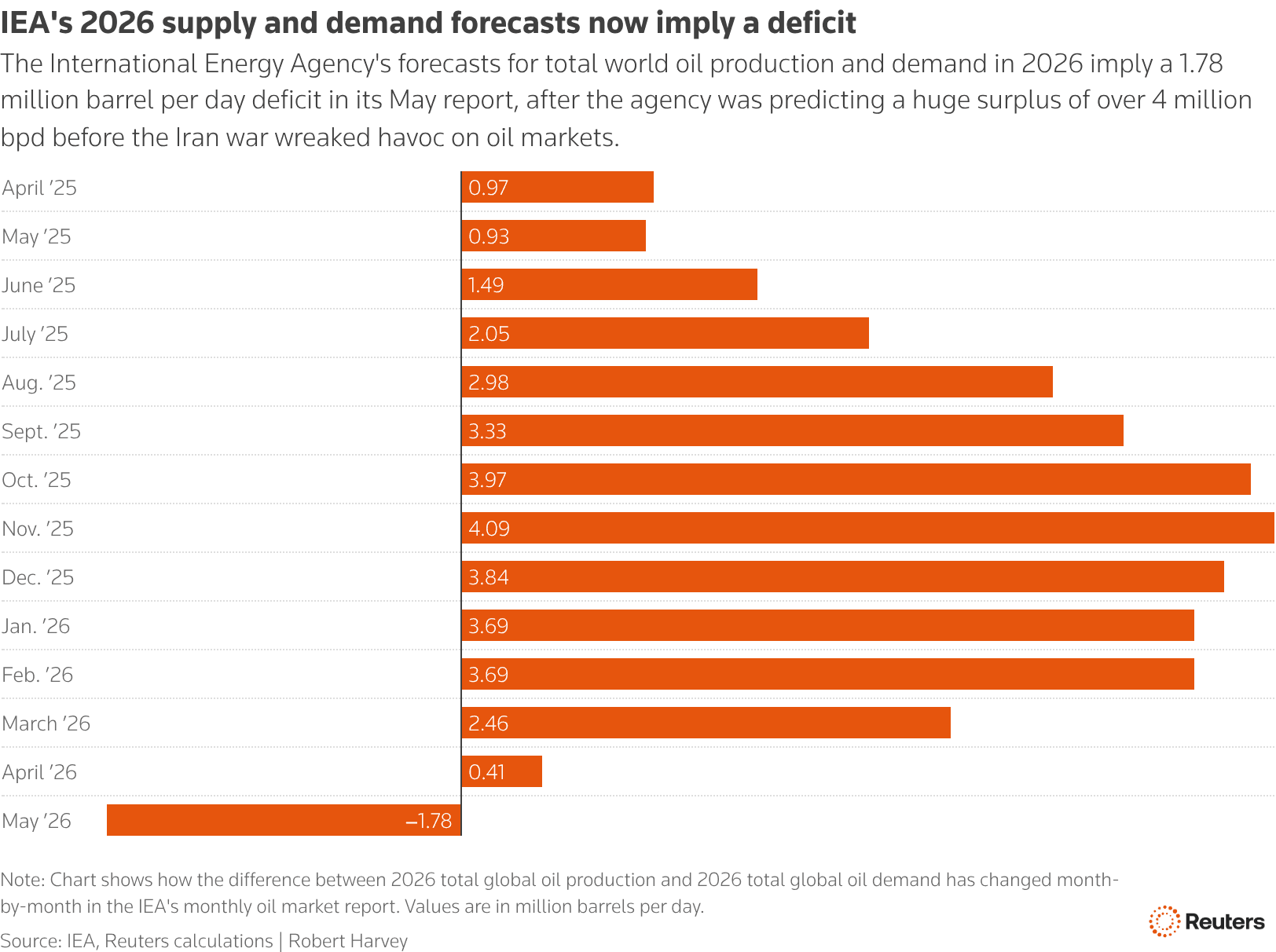
History shows how quickly a price spike can turn into demand destruction. West Texas Intermediate hit a record $147.27 a barrel on July 11, 2008, then fell below $40 by December as recession-driven demand weakened. Economists later treated the 2007-08 oil shock as a demand-driven shock that helped contribute to the U.S. recession. Earlier oil shocks in 1973-74, 1979-80 and 1990-91 were also followed by global recessions, underscoring the same lesson: when oil stays expensive long enough, consumers and companies eventually use less of it.
This article was produced by Prism’s automated news system from verified source data, official records, and press releases, then run through automated quality and moderation checks before publishing. The system is built and supervised by the people who set the standards it runs under. Read our full AI policy.
Know something we missed? Have a correction or additional information?
Submit a Tip