Oil markets brace for June spike, panic buying as stocks fall
Oil inventories are draining toward record lows, and analysts say June could bring a sudden $130-plus shock if panic buying kicks in.

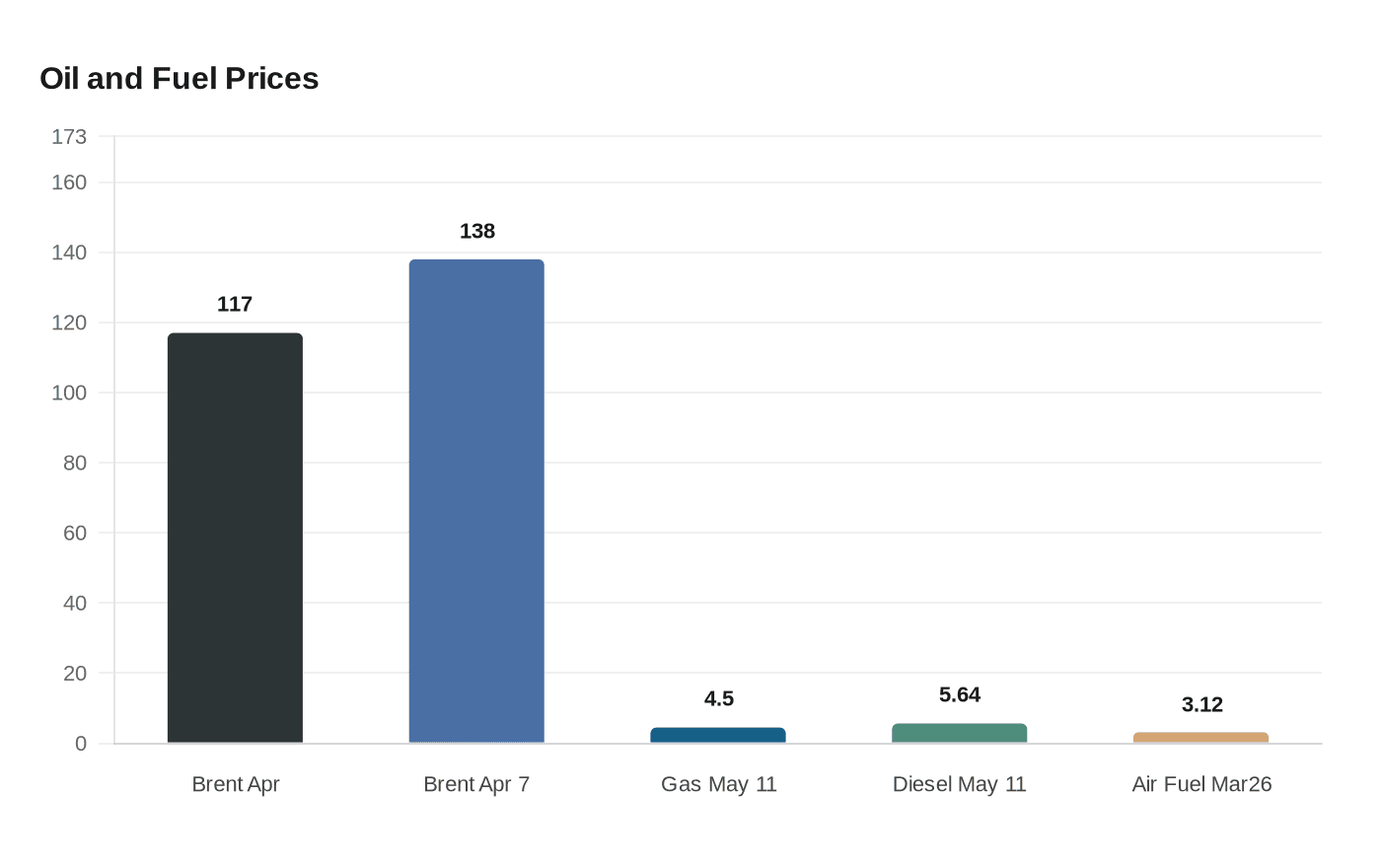
Oil markets are entering June with less room to absorb another shock. The Energy Information Administration says the Strait of Hormuz has been effectively closed since the Feb. 28 military action, cutting off a chokepoint that carried nearly 20% of global oil supply before the conflict. Brent crude averaged $117 a barrel in April, touched $138 on April 7, and June futures were described as highly volatile as traders struggled to price how long the disruption would last. Capital Economics says prices could top $130 to $140 a barrel next month if the strait stays closed and inventories keep draining.
That is where the non-linear risk comes in. When prompt barrels get scarce, refiners, importers and shipping desks stop waiting for the next cargo and start bidding aggressively for the same limited supplies, which can push spot prices away from futures and turn a shortage into panic buying. The EIA said the gap between spot Brent and front-month June futures widened to nearly $30 early in April as buyers scrambled to replace lost supply, while crude price volatility averaged 78% since the conflict began, far above the prewar norm of less than 30%. UBS says global inventories could approach all-time lows by the end of May, after falling from just over 8 billion barrels at the end of February to about 7.8 billion at the end of April.

The first pocketbook hit is at the pump. The EIA’s latest weekly update showed U.S. regular gasoline at $4.50 a gallon on May 11 and on-highway diesel at $5.64. Those prices do not move linearly with crude, but they reprice quickly enough that a sustained jump in Brent shows up at stations within days, not months. Diesel is the bigger transmission channel for the broader economy because it powers trucks, farm machinery and much of domestic freight, and fuel costs tend to flow through into grocery, household and building-material prices.
Airlines are already paying up. The Bureau of Transportation Statistics reported that U.S. carriers paid an average of $3.12 a gallon for fuel across the system in March 2026. With jet fuel priced off the same crude market, a new leg higher in Brent would squeeze margins first and then raise the pressure for fare increases, especially on longer routes where fuel is a larger share of costs.
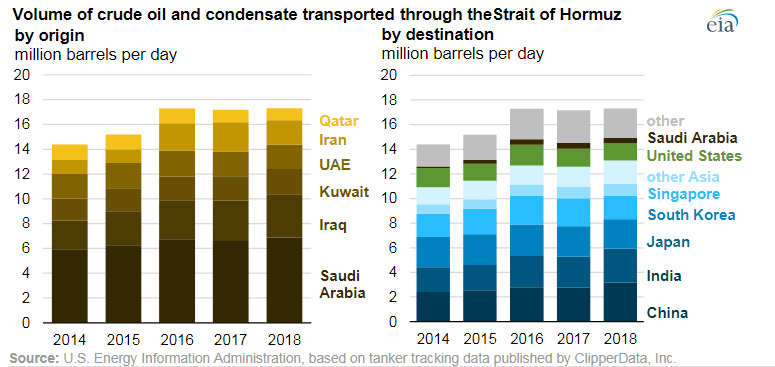
The market signals to watch are simple: whether the Strait of Hormuz reopens in late May or early June, whether Brent stays separated from prompt futures, and whether inventories continue falling toward critical levels. The EIA says even after flows resume, it could take until late 2026 or early 2027 for pre-conflict trade patterns to return. If that timeline slips again, June could be the month when a tight oil market turns suddenly disorderly.
This article was produced by Prism’s automated news system from verified source data, official records, and press releases, then run through automated quality and moderation checks before publishing. The system is built and supervised by the people who set the standards it runs under. Read our full AI policy.
Did this article answer your question?