Oil prices drop on Iran deal hopes, investors remain cautious
Brent crude fell more than 5% below $95 as Iran deal hopes eased supply fears, but a Hormuz backlog kept traders wary.
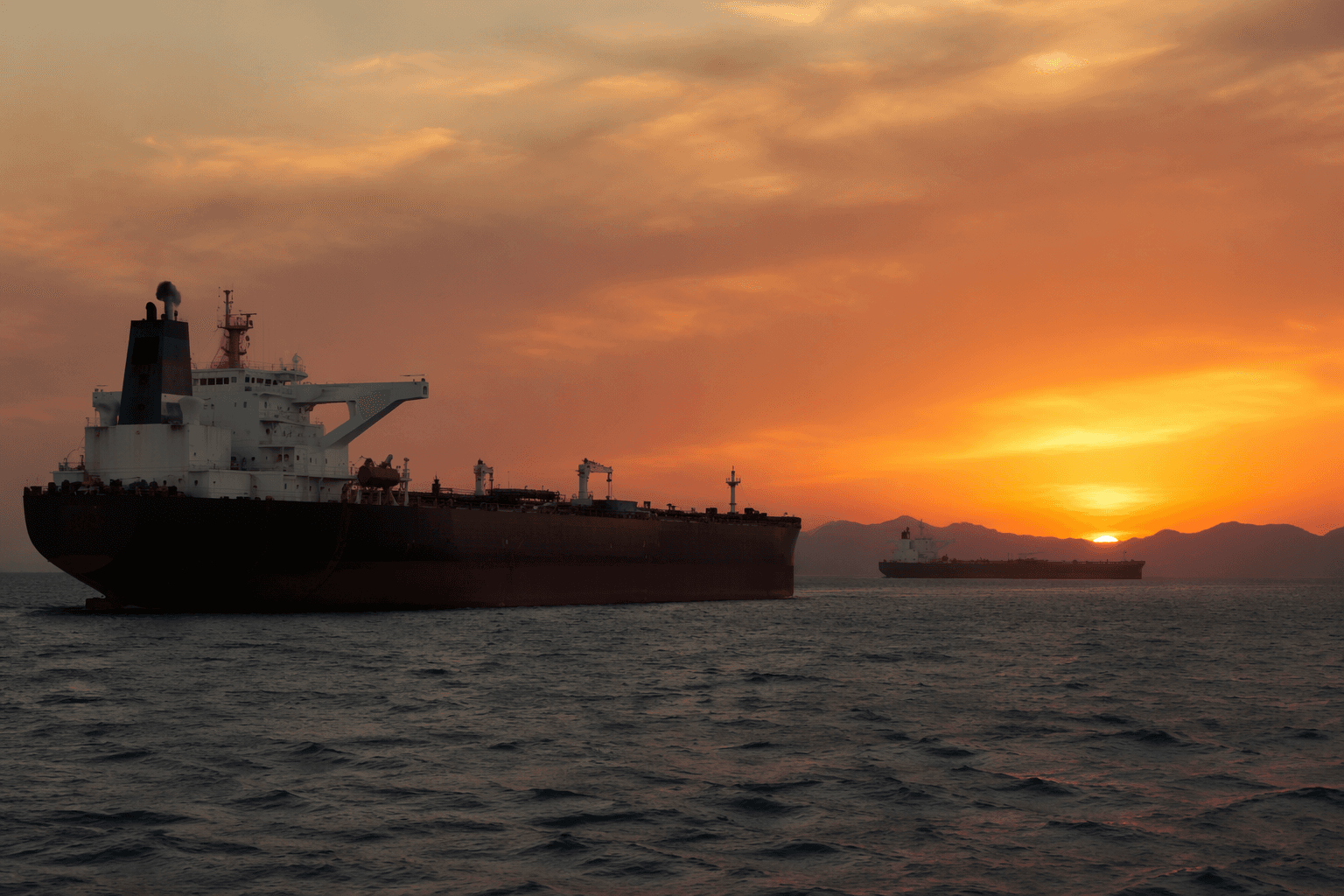
Oil traders sent Brent crude tumbling more than 5% and pushed it below $95 a barrel as hopes grew that the United States and Iran were edging closer to a deal that could reduce the risk of disruption in the Strait of Hormuz. West Texas Intermediate also weakened, extending a slide that had already left Brent at its lowest level since mid-April and underscoring how quickly geopolitics can move energy markets.
The decline was not a simple bet on lower prices. It was a repricing of risk. Investors were reacting to the chance that diplomacy could cool a confrontation centered on the narrow waterway linking the Persian Gulf to the Gulf of Oman, where an average of about 20 million barrels a day of crude oil and oil products moved in 2025, according to the International Energy Agency. The U.S. Energy Information Administration said that flow amounted to about one-fifth of global petroleum liquids consumption, making the strait one of the most important choke points in the world oil system.
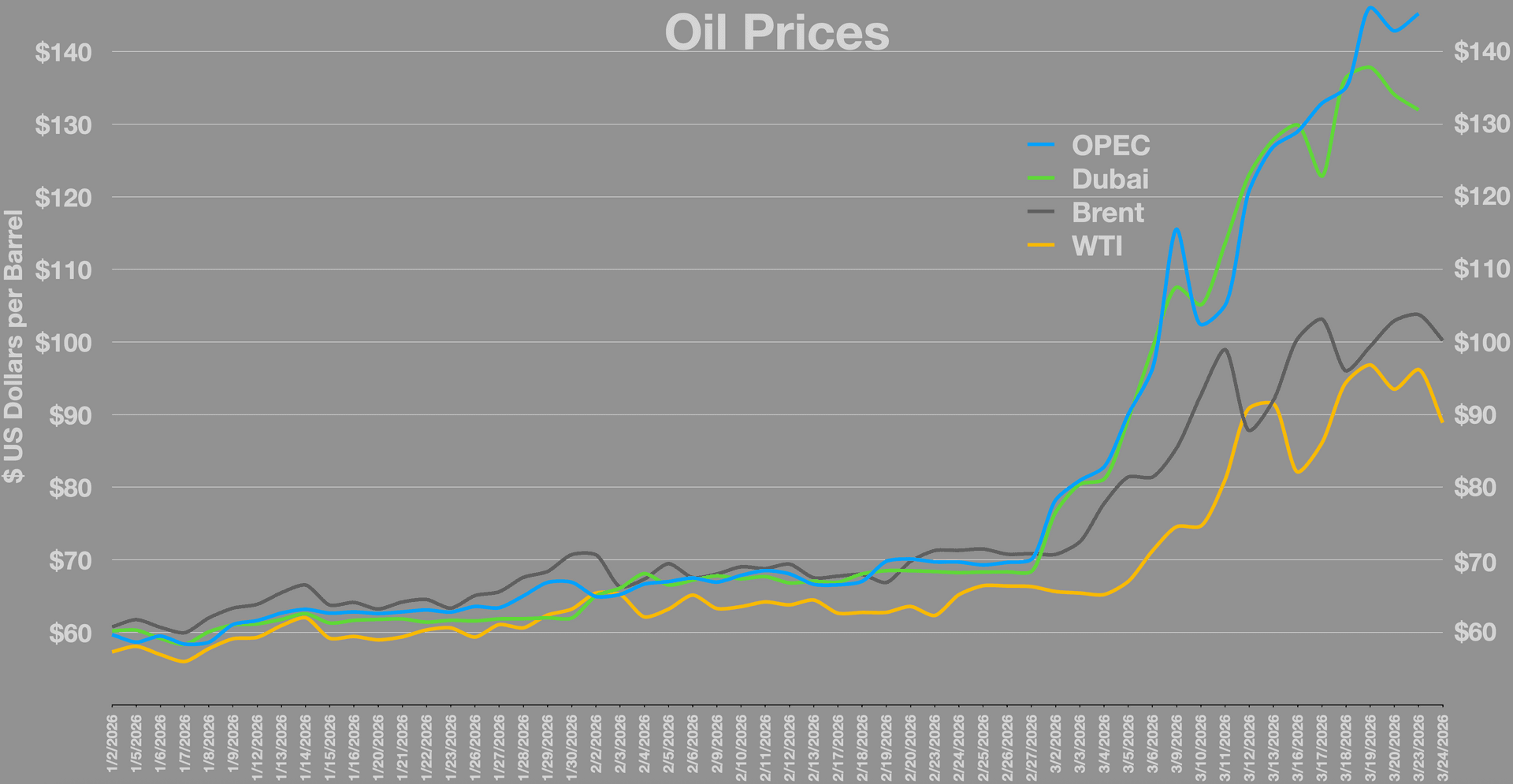
That is also why traders stayed cautious even as prices fell. The Strait of Hormuz is only 29 nautical miles wide at its narrowest point, and the EIA has warned that global oil markets are already in a period of heightened volatility and uncertainty because of the de facto closure of the passage. In March, the IEA said crude and product flows had dropped from around 20 million barrels a day before the war to a trickle, while Gulf producers had cut total oil production by at least 10 million barrels a day. A peace deal may ease fears, but it does not instantly restore tankers, routes or shipping insurance.
The market reaction spread beyond crude. Stocks rose and the dollar eased as investors priced in a lower risk of an energy shock, while gold gained as oil and the dollar softened. That combination matters for inflation watchers because lower crude prices can ease pressure on gasoline, freight and consumer goods, but only if the decline lasts long enough to work through supply chains.
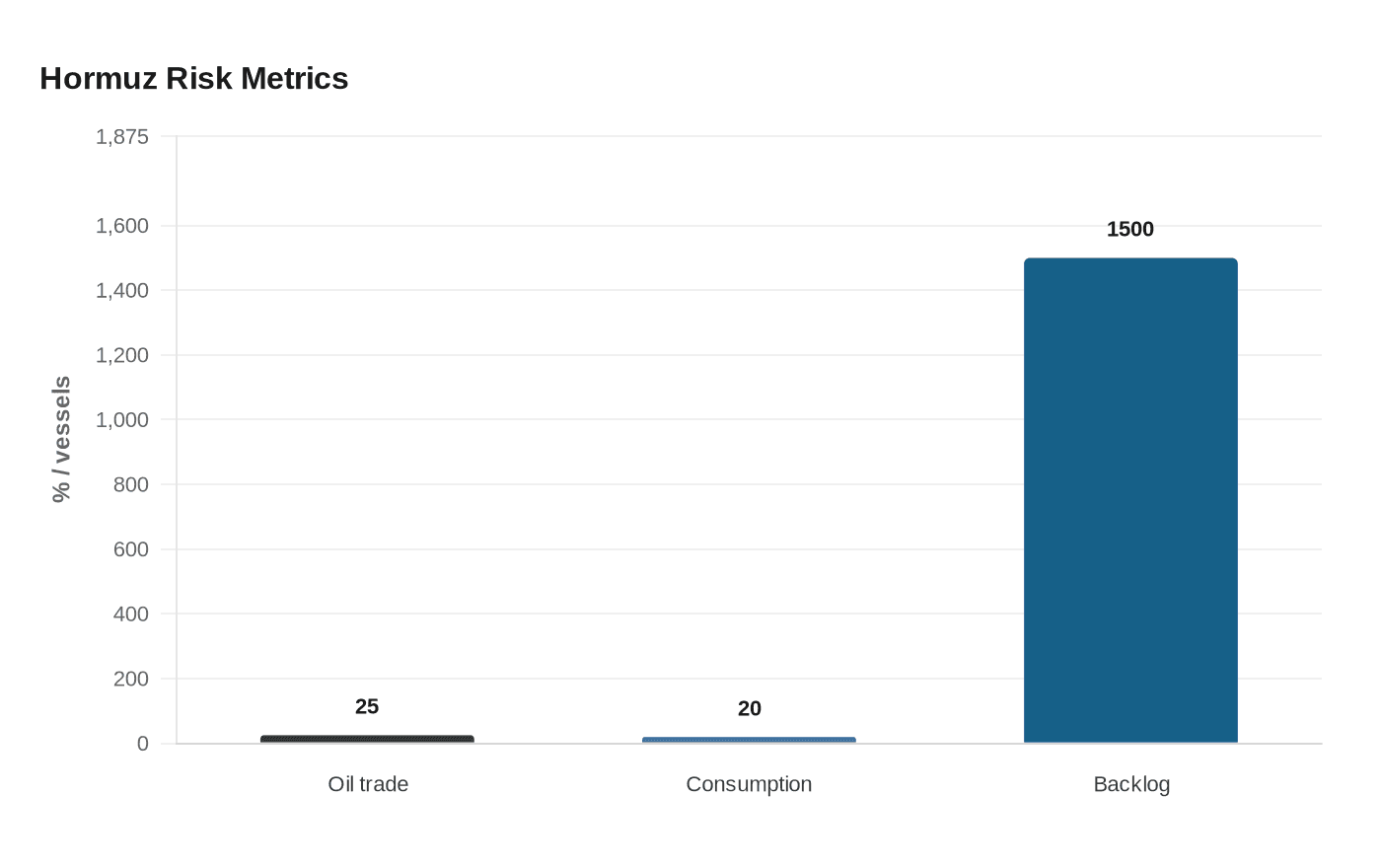
For policymakers, the signal is broader than one day’s oil quote. The New York Times reported that reopening Hormuz would still leave about 1,500 vessels stuck in a shipping backlog, and a Reuters-based report said full oil flows may not return until 2027. UNCTAD has said the strait carries around a quarter of global seaborne oil trade, along with significant LNG and fertilizer volumes. For central banks and governments, that means the key question is no longer whether oil can fall on peace hopes. It is how long geopolitical uncertainty, shipping bottlenecks and supply normalization will continue to shape prices, inflation and growth.
Know something we missed? Have a correction or additional information?
Submit a Tip