Oil prices ease as U.S. Navy reopens Strait of Hormuz route
Oil slipped after a U.S. Navy escort reopened a key Gulf route, but Hormuz fighting kept crude near levels that threaten gas and food prices.
Oil prices eased on Monday, but the bigger market signal was not the retreat. It was how little room traders saw for a genuine calm in the Middle East, where fighting around the Strait of Hormuz still kept crude high enough to threaten fuel costs, shipping charges and inflation.
Brent crude for July delivery fell 68 cents, or 0.6%, to $113.76 a barrel, after jumping 5.8% in the prior session. U.S. West Texas Intermediate dropped $1.59, or 1.5%, to $104.83, after rising 4.4% the day before. The pullback came after the U.S. Navy launched a fresh operation to reopen the Strait of Hormuz to shipping, a move that briefly eased fears of an immediate supply squeeze.
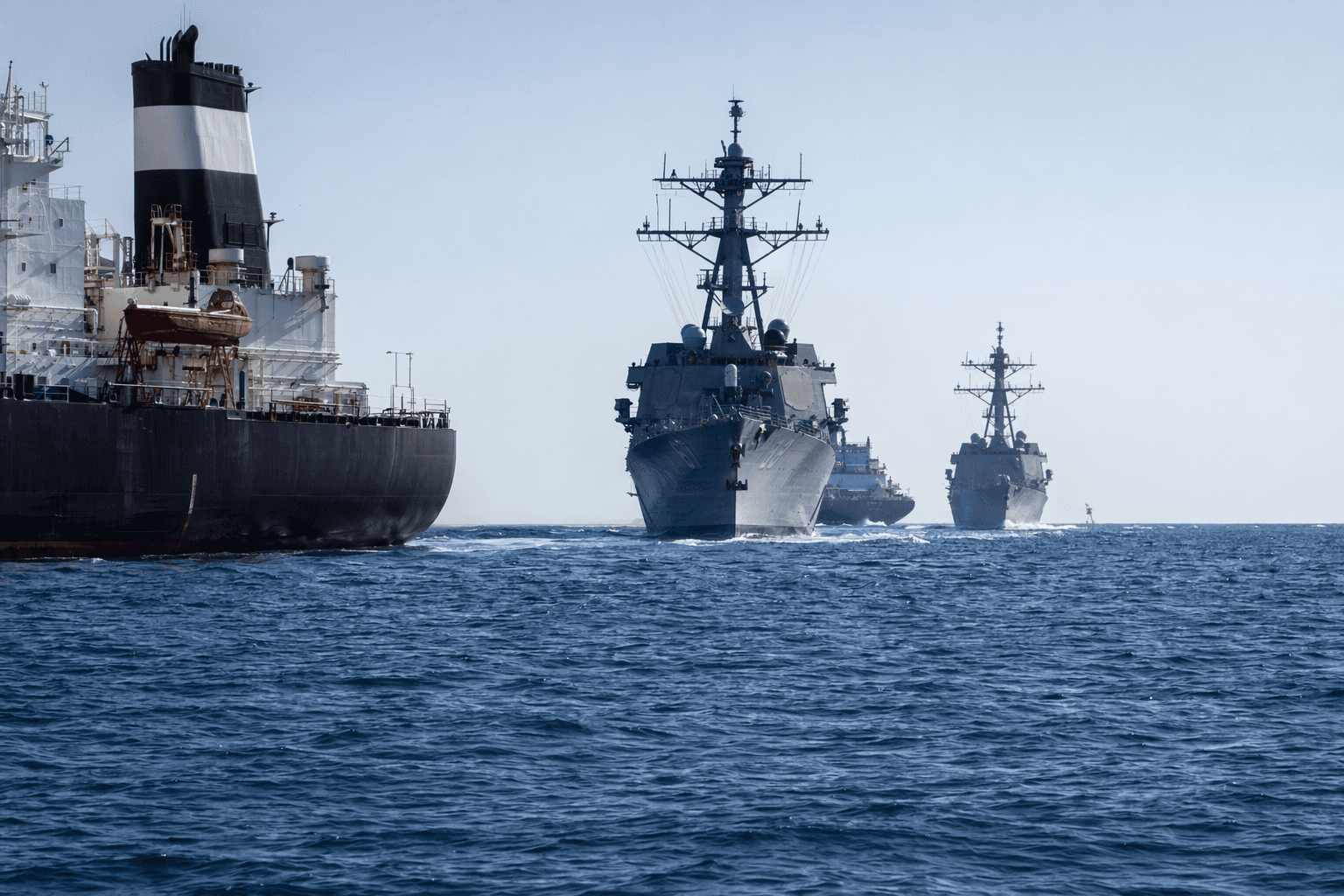
Maersk said its U.S.-flagged vehicle carrier Alliance Fairfax had exited the Gulf through the strait under U.S. military escort. Even so, tensions remained elevated as Iran launched attacks in the Gulf in response, and reports said several commercial ships were hit while an oil port in the United Arab Emirates caught fire. The message to traders was clear: one convoy could move, but the risk to the world’s most important oil chokepoint was far from over.
The Strait of Hormuz typically carries about 20% of global oil and gas supply each day, and the U.S. Energy Information Administration says it handles roughly 35% of global seaborne crude trade. In its latest estimates, the agency said Gulf producers including Iraq, Saudi Arabia, Kuwait, the United Arab Emirates, Qatar and Bahrain collectively shut in 7.5 million barrels per day in March because flows through the strait were limited, rising to 9.1 million barrels per day in April. The EIA has projected Brent could peak around $115 a barrel in the second quarter of 2026 before easing later in the year if the disruption does not persist beyond April.
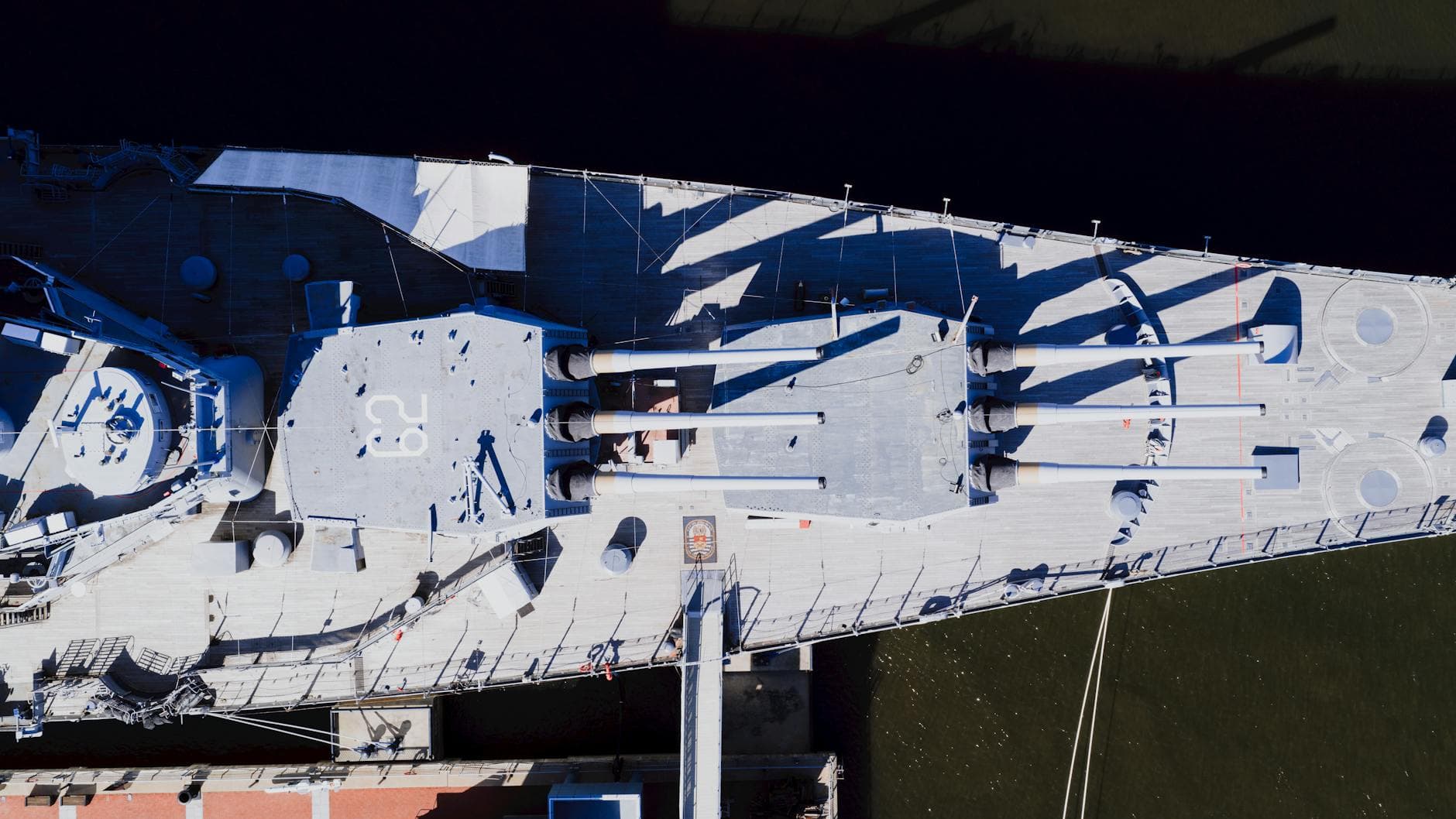
That is why the market is still pricing in a narrow but dangerous range of outcomes: limited disruption would allow prices to cool, but any broader damage to tankers, terminals or the strait itself could send crude sharply higher. The EIA said the Brent-WTI spread averaged $12 a barrel in March as the Middle East conflict pushed Brent up more than U.S. crude.
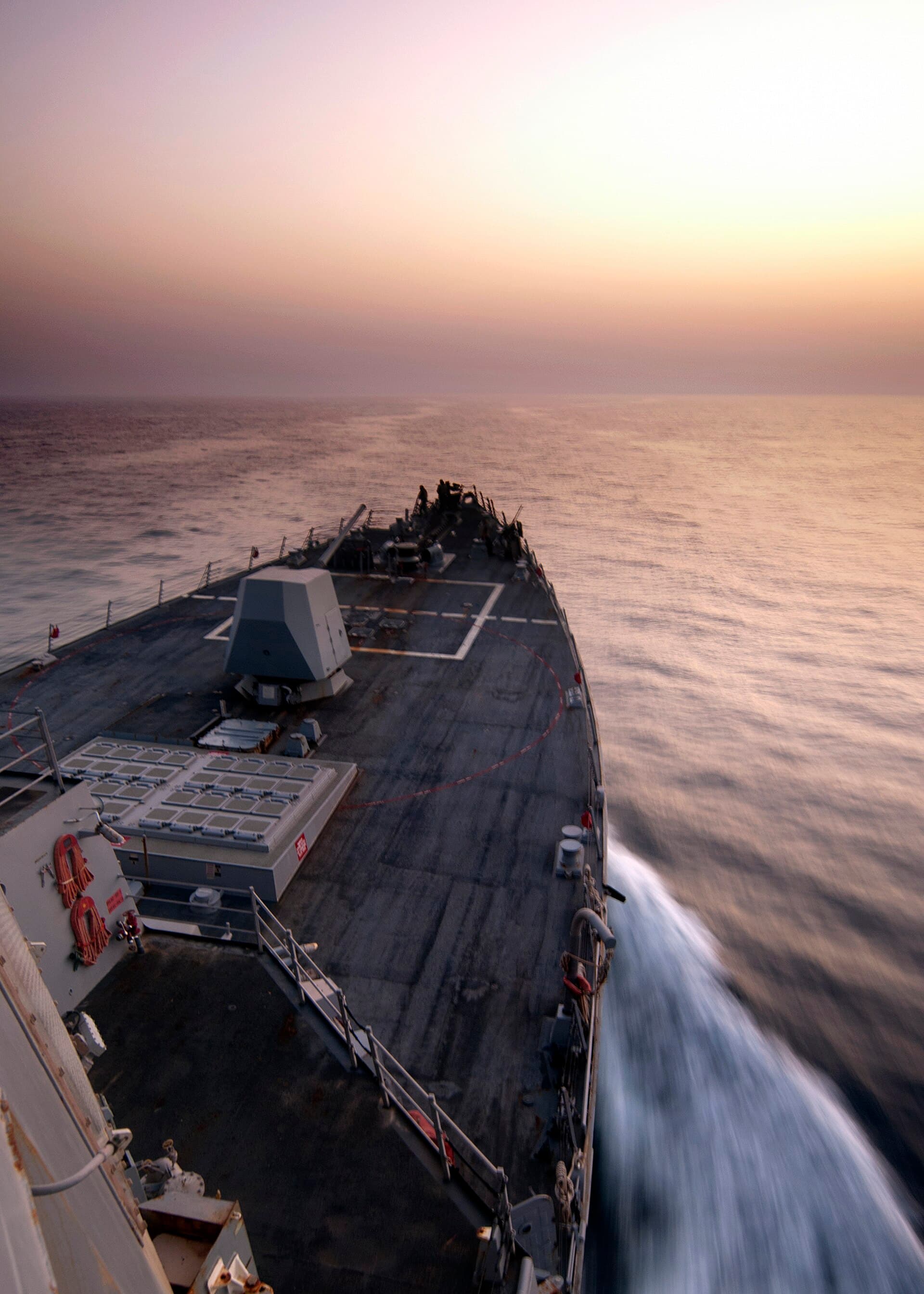
The wider economic stakes are stark. The World Bank said on April 28 that energy prices were projected to surge 24% in 2026 to their highest level since 2022, calling the conflict the largest oil supply shock on record. It warned that acute disruptions could push up to 45 million more people into acute food insecurity this year. If crude stays elevated, the pressure would move quickly from tanker rates to gasoline, then into shipping costs and finally into grocery bills, where fuel and freight feed directly into food prices.
This article was produced by Prism’s automated news system from verified source data, official records, and press releases, then run through automated quality and moderation checks before publishing. The system is built and supervised by the people who set the standards it runs under. Read our full AI policy.
Did this article answer your question?

