Spirit Airlines shuts down after bailout failure and fuel-price squeeze
Spirit Airlines ended 34 years in the air after a failed bailout bid, leaving 17,000 workers out of a job and travelers told not to head to the airport.

Stephen Colbert had an easy late-night punch line because Spirit Airlines had already become one. The comedian told viewers that “all flights have been canceled, and customer service is no longer available,” then added, with a nod to the carrier’s reputation, that it might as well have been Spirit’s motto.
The joke landed after the Fort Lauderdale-based ultra-low-cost airline shut down early Saturday, May 2, 2026, following its failure to secure a reported $500 million federal bailout from the Trump administration. Spirit said it was winding down all operations after its second bankruptcy in less than a year, closing the book on 34 years in business and underscoring how quickly a discount carrier can move from industry disruptor to case study in collapse.
Spirit’s downfall was not just a story about debt. The company said surging jet-fuel prices tied to the Iran war deepened its liquidity crunch, squeezing an airline already known for razor-thin margins and heavy reliance on fees. That model helped Spirit pioneer stripped-down air travel in the United States, but it also made the airline a national punchline for cramped cabins, add-on charges and no-frills service that many travelers learned to associate with the brand itself.
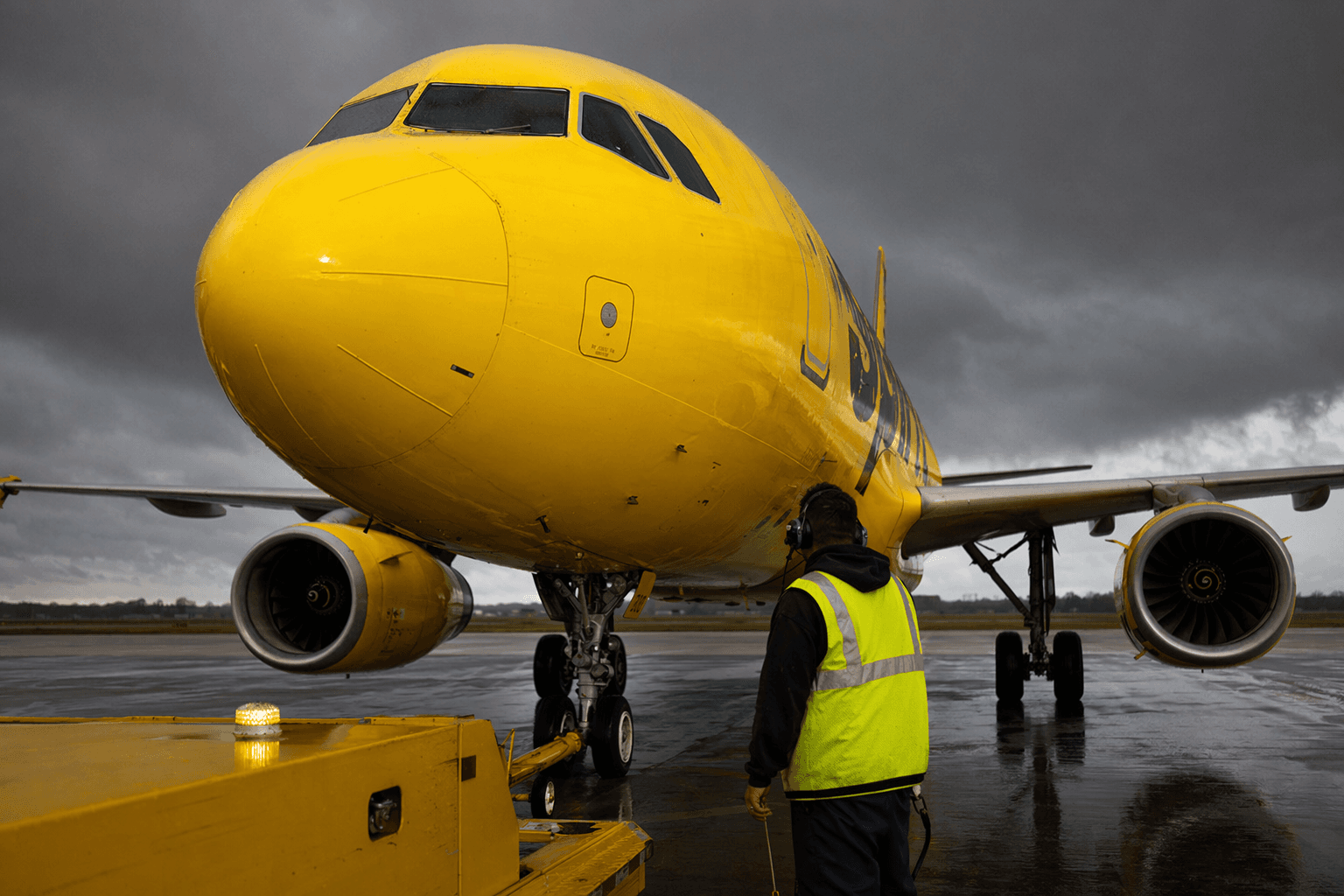
The company said about 17,000 direct and indirect employees lost their jobs. Travelers were told not to go to the airport, and all flights were canceled immediately. Spirit Aviation Holdings Inc. said compensation for passengers holding vouchers, credits or Free Spirit points would be determined later in the bankruptcy process. Customers who bought tickets with credit cards or debit cards were expected to seek refunds through their card issuers under federal credit protections.
The collapse also rippled through the broader airline market. Rival carriers moved quickly to offer rescue fares and rebooking options for stranded passengers, a sign that Spirit’s exit could tighten competition and put upward pressure on some fares, especially in the budget segment. Spirit had long been one of the biggest names in ultra-low-cost flying, and its disappearance leaves a hole in a market built on the promise of bare-bones prices.
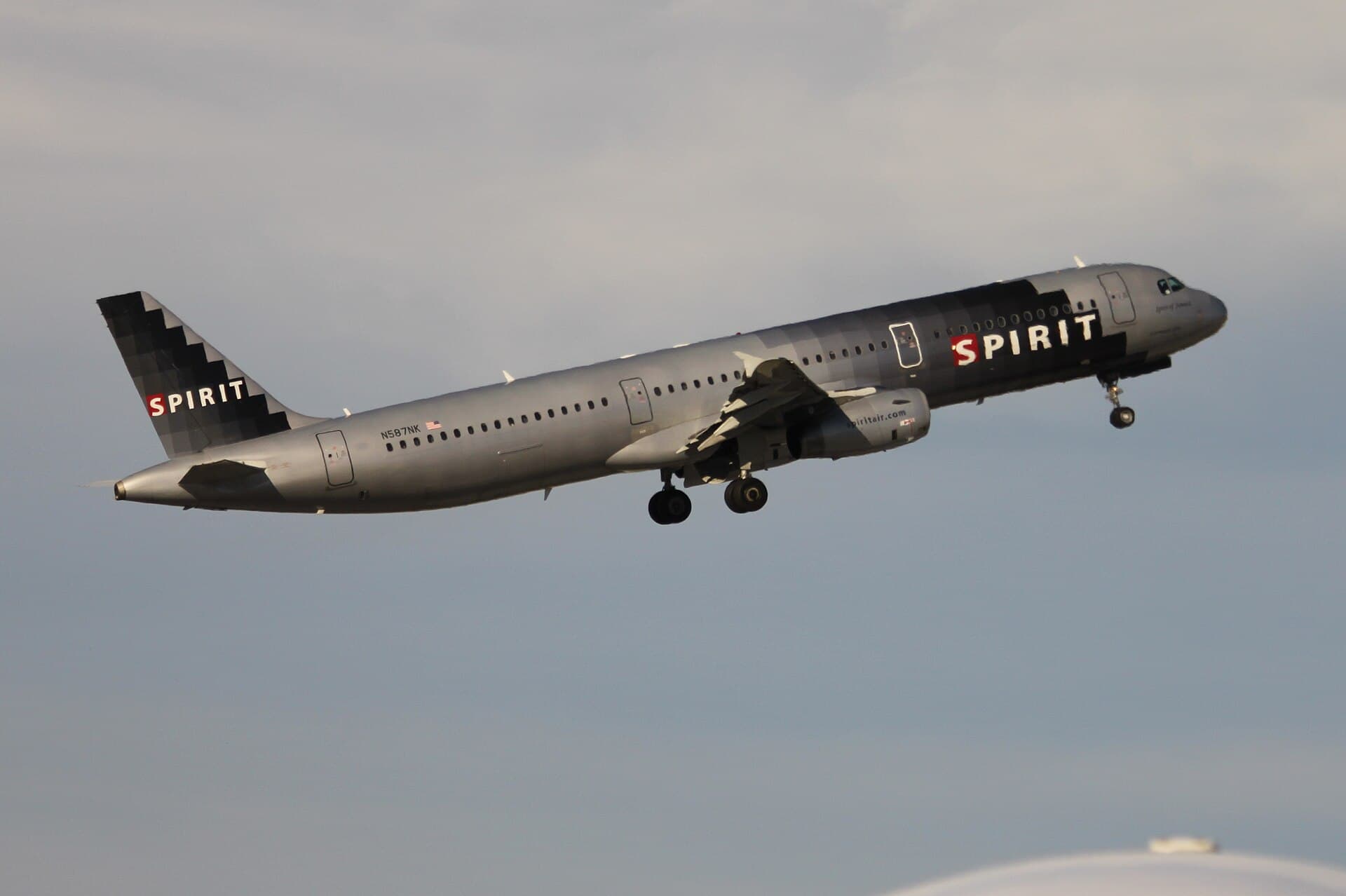
Colbert returned to the theme again on The Late Show with Stephen Colbert on May 4, 2026, framing Spirit’s demise as the end of a long-running comedy target. But the joke masked a harsher reality: a business model that once rewired domestic air travel has now run into the cost of money, the cost of fuel and the limit of how long passengers will pay extra for the basics.
Know something we missed? Have a correction or additional information?
Submit a Tip