Oil prices fall as Trump vows to free ships stranded in Hormuz sea lane
Oil fell only modestly as Trump’s ship-rescue plan soothed some fears, while a fresh tanker strike kept traders on edge.

Oil prices eased in choppy trading as investors tried to balance a White House plan to help stranded ships in the Strait of Hormuz against fresh evidence that the Gulf route remains dangerous. Brent crude fell 0.35% to $107.77 a barrel and U.S. West Texas Intermediate dropped 0.57% to $101.31, a limited retreat after days of war-driven spikes in the market.
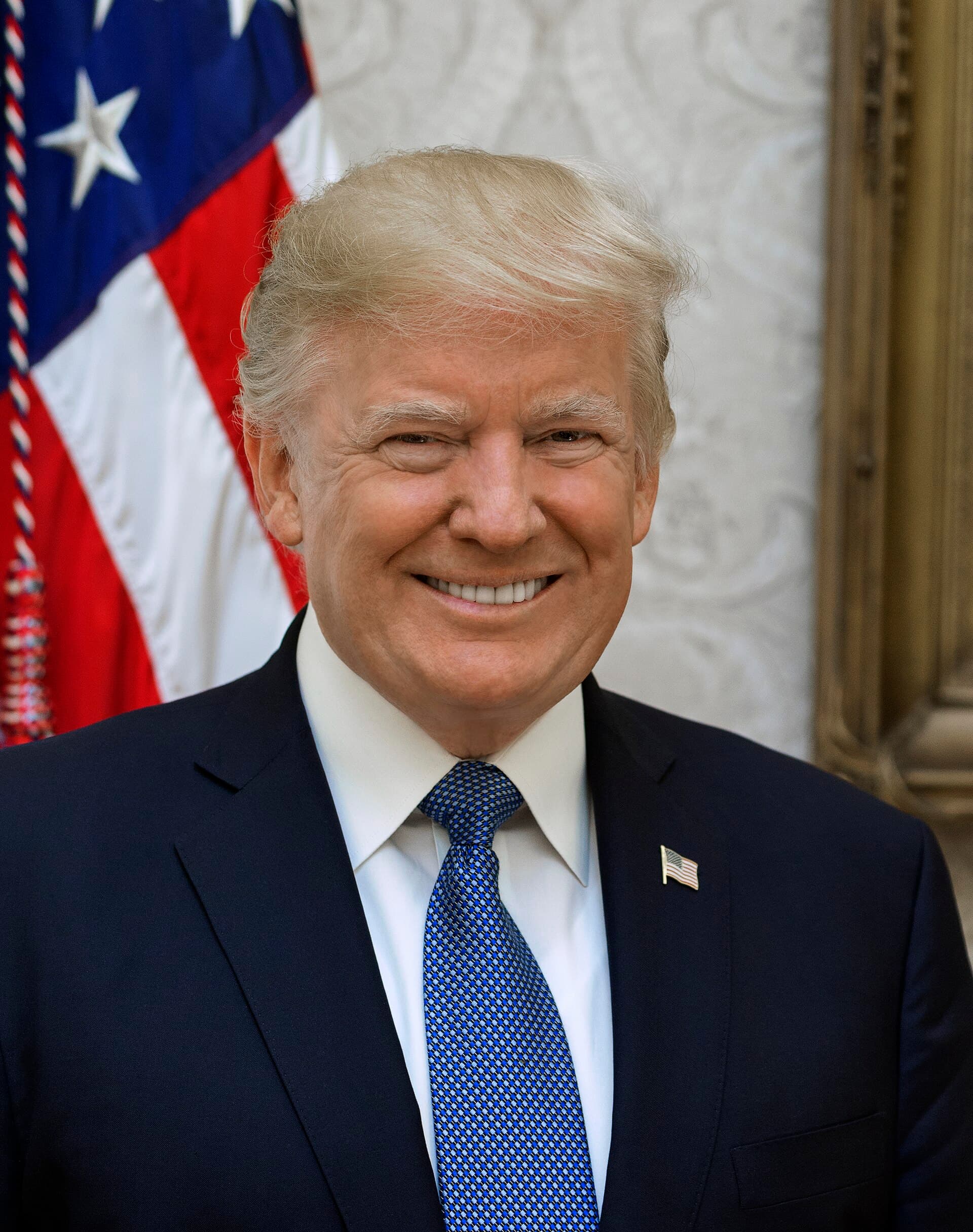
Donald Trump said the U.S. effort, which he called “Project Freedom,” would begin Monday and would try to “free” or guide vessels trapped by the closure of the key sea lane. The White House has disclosed few operational details, leaving traders unsure how U.S. forces would move ships through one of the world’s most sensitive chokepoints or what risks the operation might create. Trump has framed the mission as a humanitarian move for neutral countries caught in the conflict, but the market took comfort only cautiously.

That hesitation reflects the scale of the disruption already baked into prices. The Strait of Hormuz has been largely impassable since the war with Iran began, stranding hundreds of vessels and about 20,000 seafarers in the Gulf. Any escort effort would have to operate under the shadow of missile and drone threats, insurance costs that are already rising, and the possibility that a rescue mission itself could become a new flashpoint.
Those fears were reinforced by a new maritime incident. The United Kingdom Maritime Trade Operations said a tanker was hit by projectiles north of Fujairah, in the United Arab Emirates, on May 3, underscoring that the risk extends well beyond the narrow waterway itself and into the Gulf of Oman approach lanes that feed it. Earlier market chatter had also centered on a more forceful U.S. response, including talk of taking over the strait, a reminder that the conflict’s next move could still be military rather than logistical.
Even an OPEC+ output increase did little to steady sentiment. The group agreed on Sunday to raise June production targets by 188,000 barrels per day, but the step was widely seen as symbolic while Gulf supply remains choked by the Hormuz closure. JPMorgan has described strikes on Iranian oil infrastructure as a major escalation, and that is the scenario traders still fear most: a wider conflict that turns a shipping crisis into a sustained supply shock.
This article was produced by Prism’s automated news system from verified source data, official records, and press releases, then run through automated quality and moderation checks before publishing. The system is built and supervised by the people who set the standards it runs under. Read our full AI policy.
Did this article answer your question?

