Viral campaign raises $23 million to buy bankrupt Spirit Airlines
A TikTok creator’s rushed website drew more than 36,000 pledges for Spirit Airlines in a weekend, turning collapse into a viral crowdfunding test.
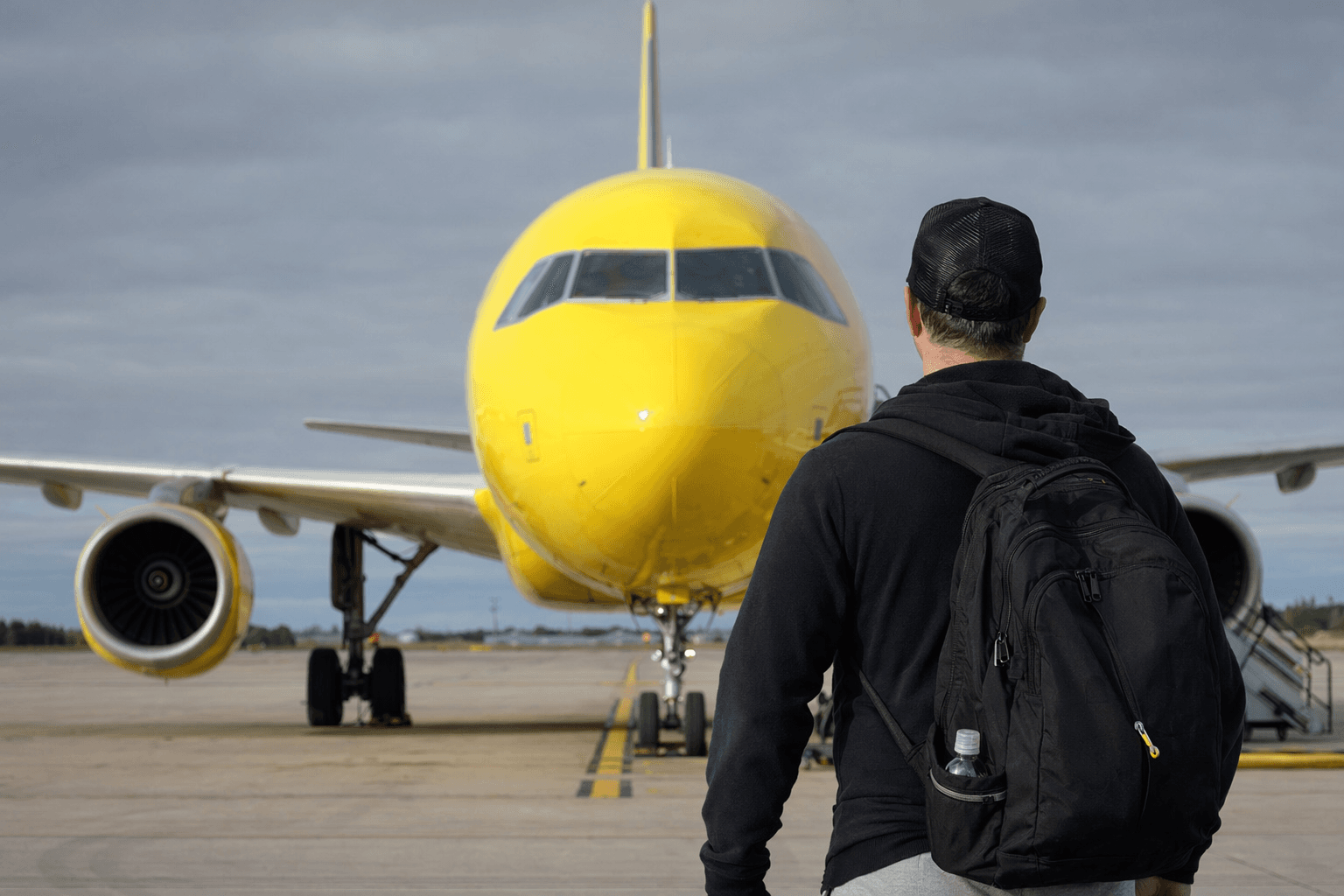
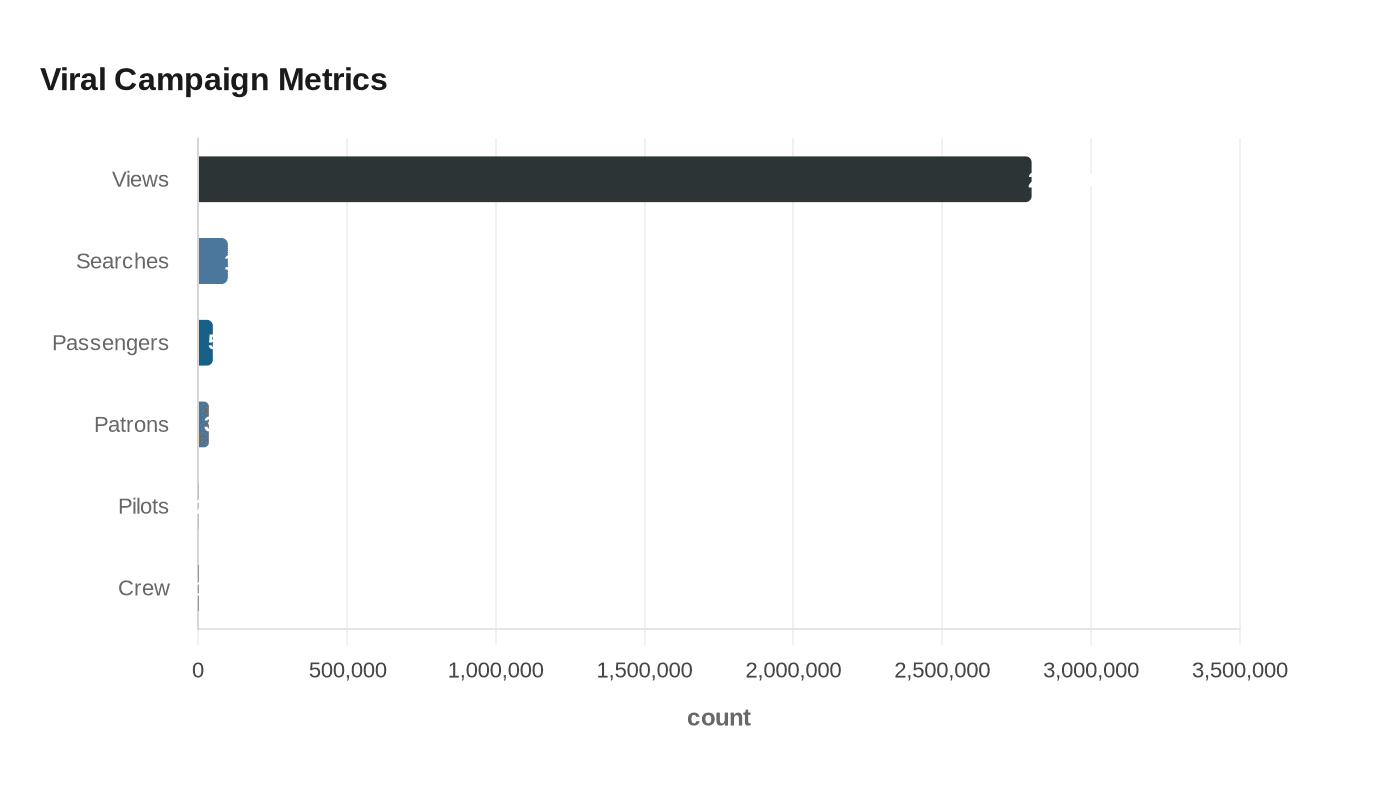
Hunter Peterson turned Spirit Airlines’ sudden collapse into a weekend internet frenzy, building letsbuyspirit.com in what he called a one-hour job and drawing more than $22.8 million in pledges from 36,605 “founding patrons” by Sunday afternoon. The average pledge shown in circulated screenshots was $623, and the site briefly went offline after a flood of traffic crashed the servers.
The pitch spread with unusual speed. Peterson, a TikTok and YouTube creator and voice actor, said his original TikTok had reached 2.8 million views by Sunday afternoon. Google search interest for “let’s buy spirit com” reportedly topped 100,000 searches in the previous 17 hours, a spike of 1,000%. Peterson said the site would be rebuilt and that updates would move to Instagram account @spiritair2.0.
The viral drive arrived only hours after Spirit began winding down operations early Saturday, May 2, 2026, after failing to secure a reported $500 million bailout. The carrier said the wind-down was effective immediately and canceled all flights, ending a 34-year run for the bright-yellow ultra-low-cost airline that helped normalize no-frills flying in the U.S. Spirit’s final flight was Flight 1833 from Detroit to Dallas, landing just after midnight. The airline said it had flown more than 50,000 passengers over the prior day and was trying to get more than 1,300 crew members back to their bases.

Passengers were left in limbo at airports including Fort Lauderdale-Hollywood International Airport, where travelers arrived for flights that no longer existed. A Spirit spokesperson said the majority of employees learned about the shutdown through media reports. The Air Line Pilots Association, International said the closure was “a devastating blow” to more than 2,000 Spirit pilots and thousands of other employees.
Peterson framed the campaign as a people-powered ownership model, arguing that if enough U.S. adults contributed roughly the price of a Spirit fare, the public could buy the airline and make it “owned by the people.” That message tapped a familiar strain of online populism, but the numbers also showed the gap between meme momentum and financial reality: a viral pledge counter is not the same thing as a financing plan, and Spirit was already an airline that had been through bankruptcy, spent years under pressure and then ran out of runway.
This article was produced by Prism’s automated news system from verified source data, official records, and press releases, then run through automated quality and moderation checks before publishing. The system is built and supervised by the people who set the standards it runs under. Read our full AI policy.
Did this article answer your question?

