Oil prices fall to prewar levels as Strait of Hormuz reopens
Brent crude slid to $72.52, its lowest since Feb. 27, as tankers left the Strait of Hormuz and traders bet the supply shock had eased.

Brent crude fell back to $72.52 a barrel and West Texas Intermediate to $69.32 on Wednesday, both at their lowest levels since Feb. 27, as the oil market rapidly unwound the panic that followed the war around the Strait of Hormuz. The drop marked a sharp reversal from the spike that had pushed Brent close to $120 a barrel and sent prices up 51% in March, one of the biggest monthly oil rallies on record.
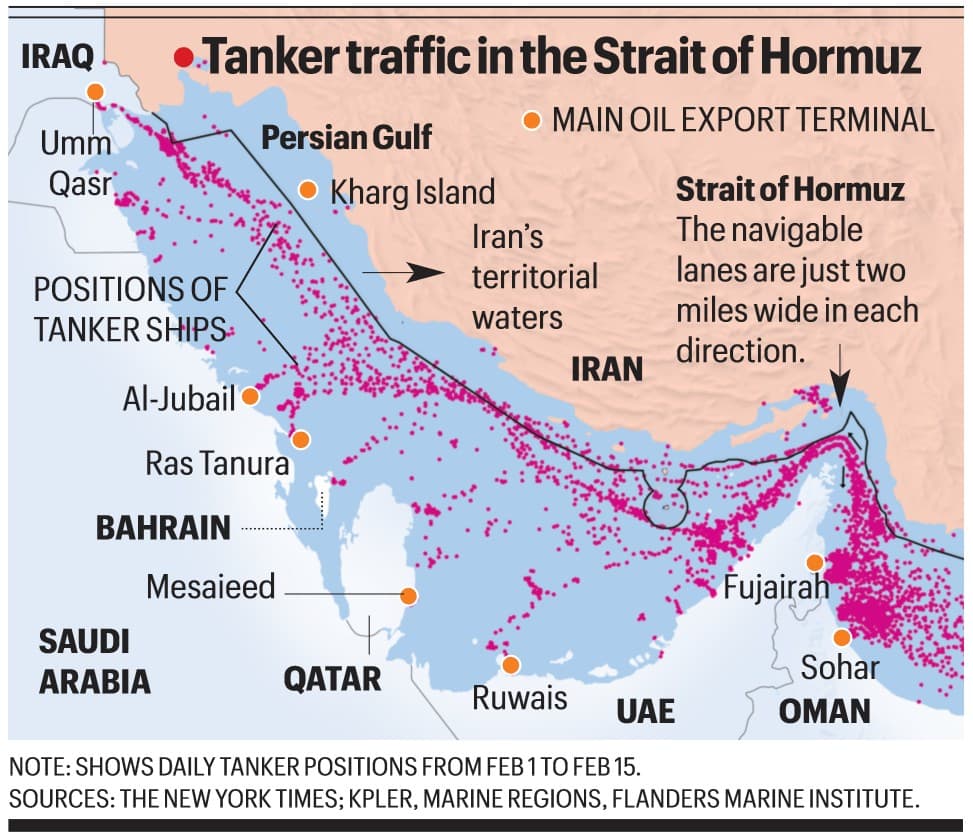
The shift reflected a change in supply expectations more than a change in geopolitics. The Strait of Hormuz is one of the world’s most important maritime chokepoints, carrying about 20% of global oil and natural gas shipments in peacetime, so the early closure by Iran had forced traders to assume a prolonged hit to exports from the Gulf. That calculus has started to change as tankers stranded in the Persian Gulf began leaving the waterway again and more vessels moved out of the strait, easing fears of a deeper interruption to crude flows.
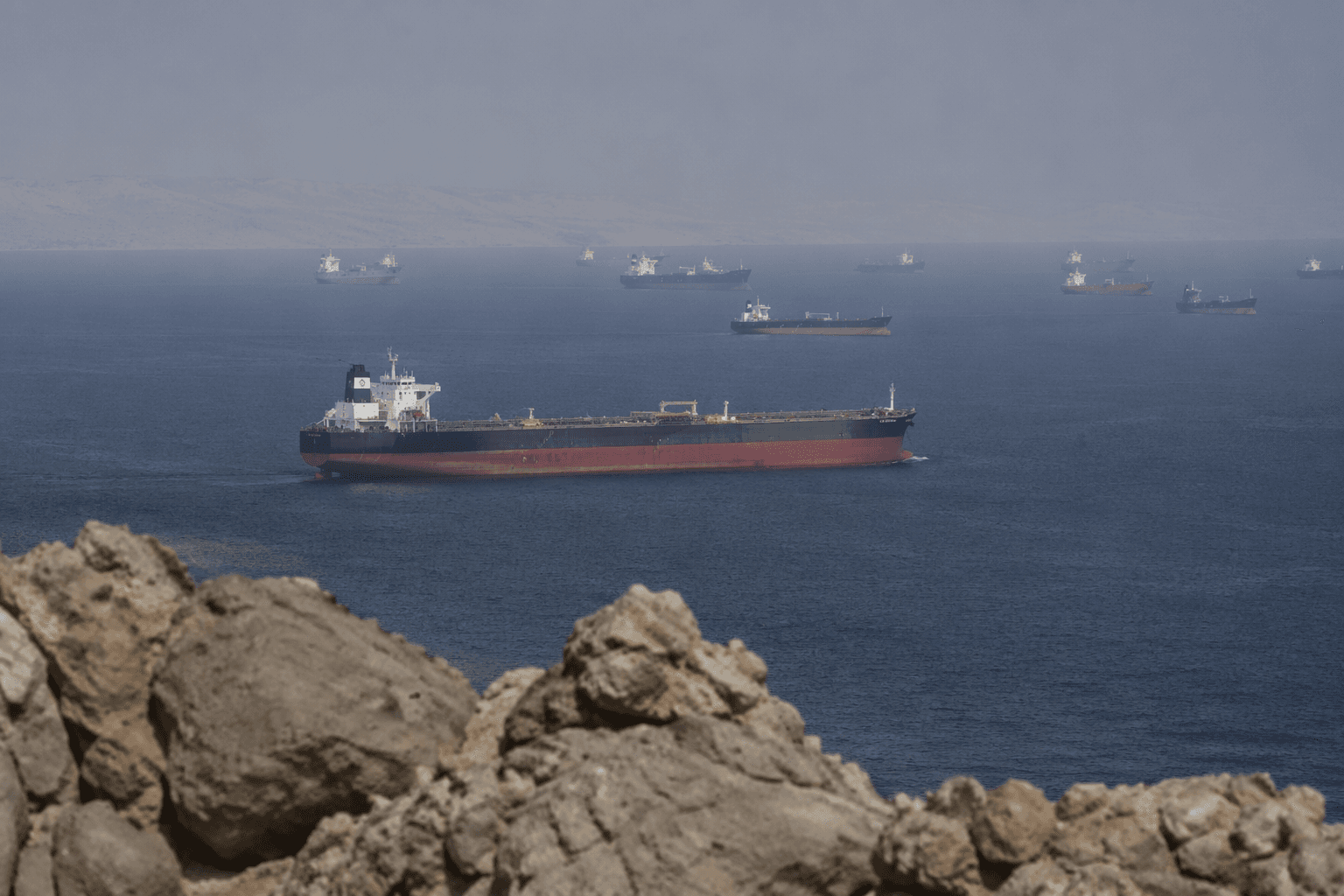
Market pricing now shows that traders are less worried about immediate scarcity. Brent for second-month delivery traded above prompt prices for the first time since the conflict began in late February, a sign of near-term oversupply rather than shortage. Reuters said the move followed a preliminary U.S.-Iran agreement to reopen the strait and end the war, which helped drive prices lower around June 15 and June 16. The United Arab Emirates has also seen oil exports rebound to nearly 85% of pre-conflict levels by early June, another sign that regional supply routes are normalizing.
The relief, if it lasts, could reach consumers with a lag. Lower crude prices can work through refinery margins, wholesale gasoline contracts and heating-fuel markets before showing up at the pump or in household energy bills, but sustained weakness in Brent and WTI would ease pressure on airlines, shipping companies and import-dependent economies. The risk has not disappeared, though. Donald Trump has warned he could abandon talks if Iran tries to impose tolls on shipping through the Strait of Hormuz, leaving the route open but the political backdrop unresolved.
This article was produced by Prism’s automated news system from verified source data, official records, and press releases, then run through automated quality and moderation checks before publishing. The system is built and supervised by the people who set the standards it runs under. Read our full AI policy.
Know something we missed? Have a correction or additional information?
Submit a Tip