Oil Prices Hold Near Recent Levels as Venezuelan Seizures Loom
Oil markets were steady on Tuesday as traders digested a sharp prior session, balancing episodic geopolitical shocks against evidence of ample supply. The tug of war matters for consumers and markets because headline risks can lift prices quickly, even though analysts see a well supplied market in the first half of 2026.
Oil markets opened cautiously on Tuesday after a more than 2 percent jump on Monday, as traders weighed the prospect of the United States selling crude it has seized from shipments off Venezuela against growing Black Sea security concerns. Prices eased slightly in early Asian trading, but remained close to the gains recorded the previous day.
Snapshots showed Brent near sixty two dollars a barrel and U.S. West Texas Intermediate around fifty eight dollars in early Asian trade. A 04:40 GMT report put Brent at sixty two dollars and one cent and WTI at fifty seven dollars and ninety two cents. By 07:20 GMT a later reading showed Brent at sixty one dollars and ninety four cents and WTI at fifty seven dollars and eighty seven cents, down only marginally from the earlier print. The Monday gains were the strongest for Brent in two months and the biggest one day rise for WTI since November fourteenth.
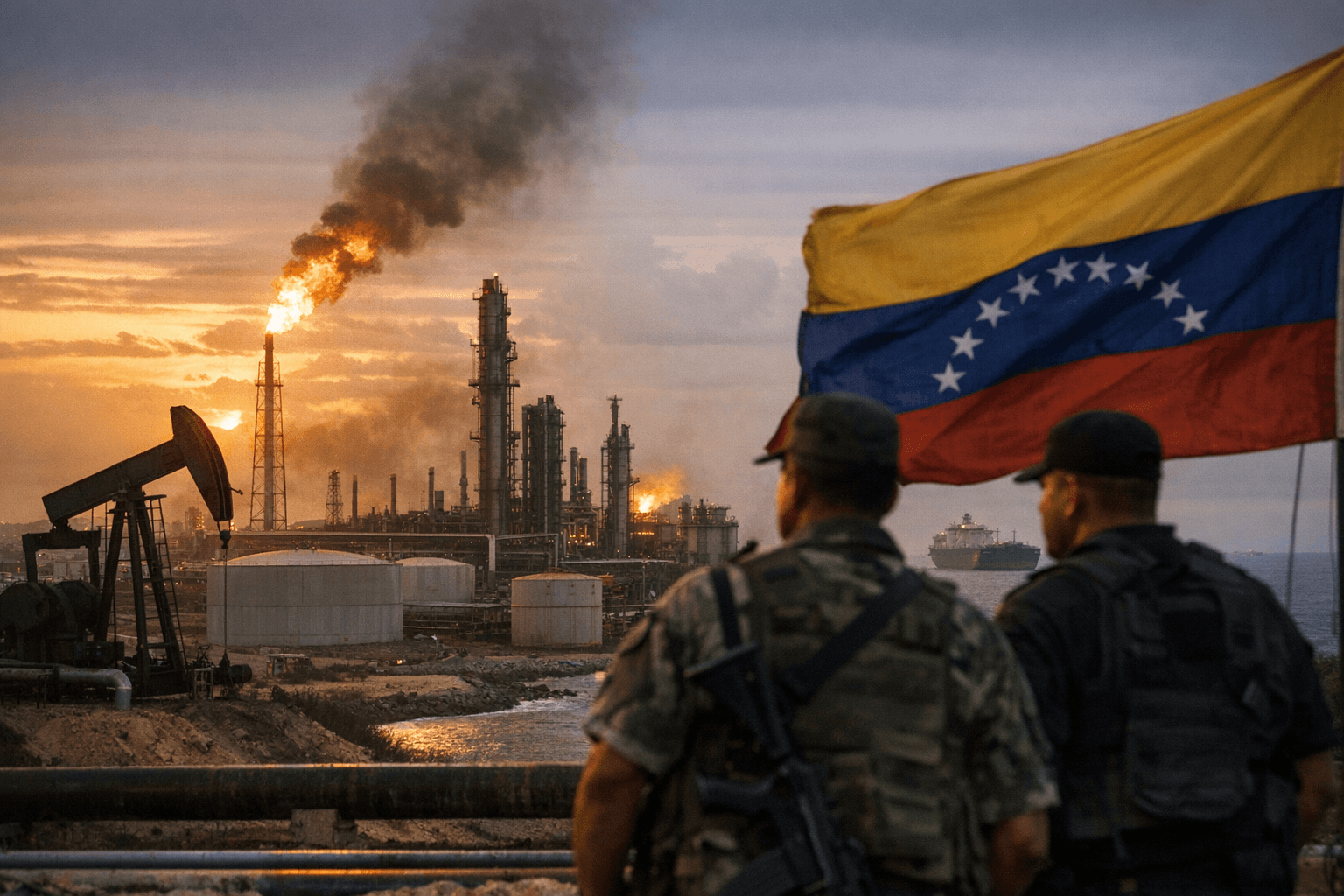
The immediate driver was a White House signal that Washington may dispose of crude taken from tankers off the Venezuelan coast, with President Donald Trump saying the United States "might keep or sell" the oil. U.S. interdictions in the Caribbean and restrictions on vessel movements have been described as part of a broader pressure campaign that includes curbs under sanctions. Reports do not specify the volumes seized or the exact number of vessels involved, leaving traders to assess the potential market impact with sparse information.
At the same time, renewed attacks in the Black Sea region have heightened concerns about interruptions to flows linked to Ukraine and Russia. Ukrainian strikes against Russian vessels and port infrastructure have amplified a baseline of geopolitical uncertainty, making the market sensitive to even modest supply shocks.
Those headline risks are being counterbalanced by a wave of analyst commentary stressing ample supply in the near term. Barclays said in a note on Monday that "it is true that even if Venezuelan oil exports were to fall to zero over the near term, oil markets will likely still be well supplied in H1 26." Brokers and analysts say available inventories and production outside the most troubled regions should limit the size of a sustained price rally.
Market participants described a tug of war between episodic bullish headlines and persistent bearish fundamentals. Priyanka Sachdeva, senior market analyst at brokerage Phillip Nova, said "Crude oil markets are grinding through the final weeks of 2025 with prices largely subdued, reflecting a tug of war between persistent bearish fundamentals and intermittent bullish headlines." UCLA professor Christopher Tang warned that while the U.S. Venezuela standoff could lift prices toward the mid sixtys or low seventies, "It's not going to go up to $100 a barrel."
The combined effect has been caution rather than panic. Traders remain ready to price in further disruption, but the prevailing view among major banks and market analysts is that an outright supply shortfall in the first half of 2026 is unlikely. That assessment keeps a lid on upside, while leaving markets vulnerable to episodic spikes if new information about seized volumes or Black Sea disruptions emerges.
This article was produced by Prism’s automated news system from verified source data, official records, and press releases, then run through automated quality and moderation checks before publishing. The system is built and supervised by the people who set the standards it runs under. Read our full AI policy.
Did this article answer your question?

