Oil prices jump after U.S. shoots down Iranian drones
Four Iranian drones shot down near Bandar Abbas pushed Brent to about $92, reviving fears that a clash near the Strait of Hormuz could hit fuel costs.
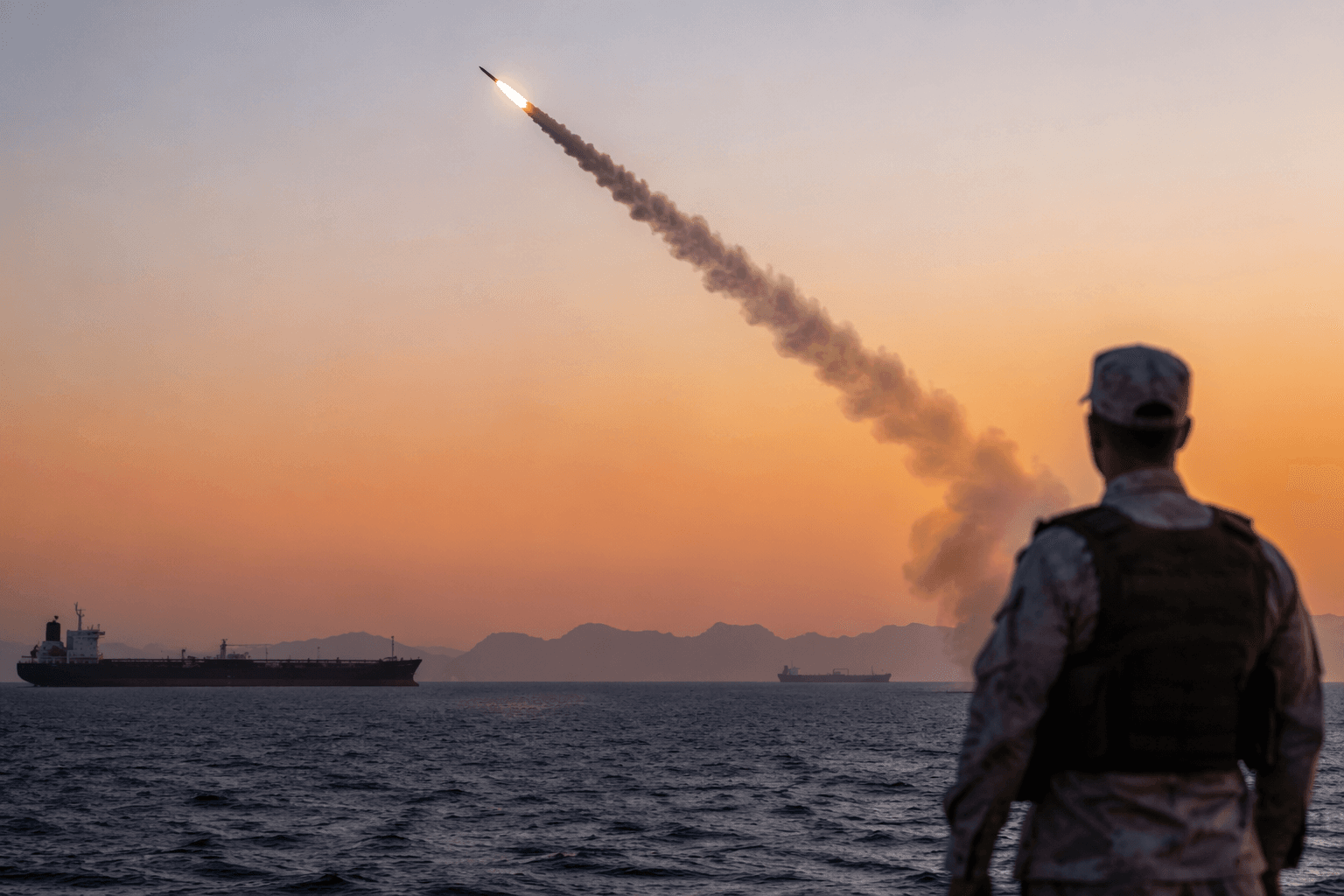
A U.S. decision to shoot down four Iranian attack drones sent crude higher and reminded traders how quickly a military flare-up can reach household budgets. Brent rose to about $92 a barrel on May 28, 2026, up 3.79% on the day, after markets had briefly eased when hopes for a peace deal steadied prices the day before.
U.S. forces also struck an Iranian ground control station in Bandar Abbas that was about to launch a fifth drone, widening a confrontation that has kept oil buyers on edge. The U.S. military described the action as defensive and said it was intended to maintain the ceasefire and protect shipping near the Strait of Hormuz, the narrow waterway that carries a large share of the world’s oil shipments.
The latest exchange came during a conflict and ceasefire effort that has stretched for nearly three months, with Washington and Tehran still trying to reach an agreement to end the war. It was also this week’s second set of strikes that the U.S. framed as defensive, a sign that traders have not yet priced out the chance of another escalation around Iranian territory or maritime traffic.
For Wall Street, the immediate issue is the risk premium embedded in crude. Oil prices had already been swinging sharply as traders alternated between relief over signs of diplomacy and fear that retaliation would remain limited only briefly before broadening again. The renewed pressure around Bandar Abbas underscored how sensitive the market remains to any threat to Iranian energy infrastructure or to shipping in the Strait of Hormuz.
That sensitivity matters well beyond the trading floor. A sustained rise in crude can feed into gasoline costs, lift inflation expectations and weigh on consumer sentiment, especially if the confrontation widens and threatens tanker traffic. It can also complicate the broader economic outlook by forcing households and businesses to absorb another energy shock before the region’s ceasefire talks have had a chance to stabilize the market.
This article was produced by Prism’s automated news system from verified source data, official records, and press releases, then run through automated quality and moderation checks before publishing. The system is built and supervised by the people who set the standards it runs under. Read our full AI policy.
Did this article answer your question?
%3Amax_bytes(150000)%3Astrip_icc()%2FCertificate-of-deposit-2301f2164ceb4e91b100cb92aa6f868a.jpg&w=1920&q=75)