Oil prices jump as House rebukes Trump over Iran war powers
Brent crude climbed to almost $99 after Red Sea tanker attacks, as the House voted 215-208 to curb Trump’s Iran war powers.
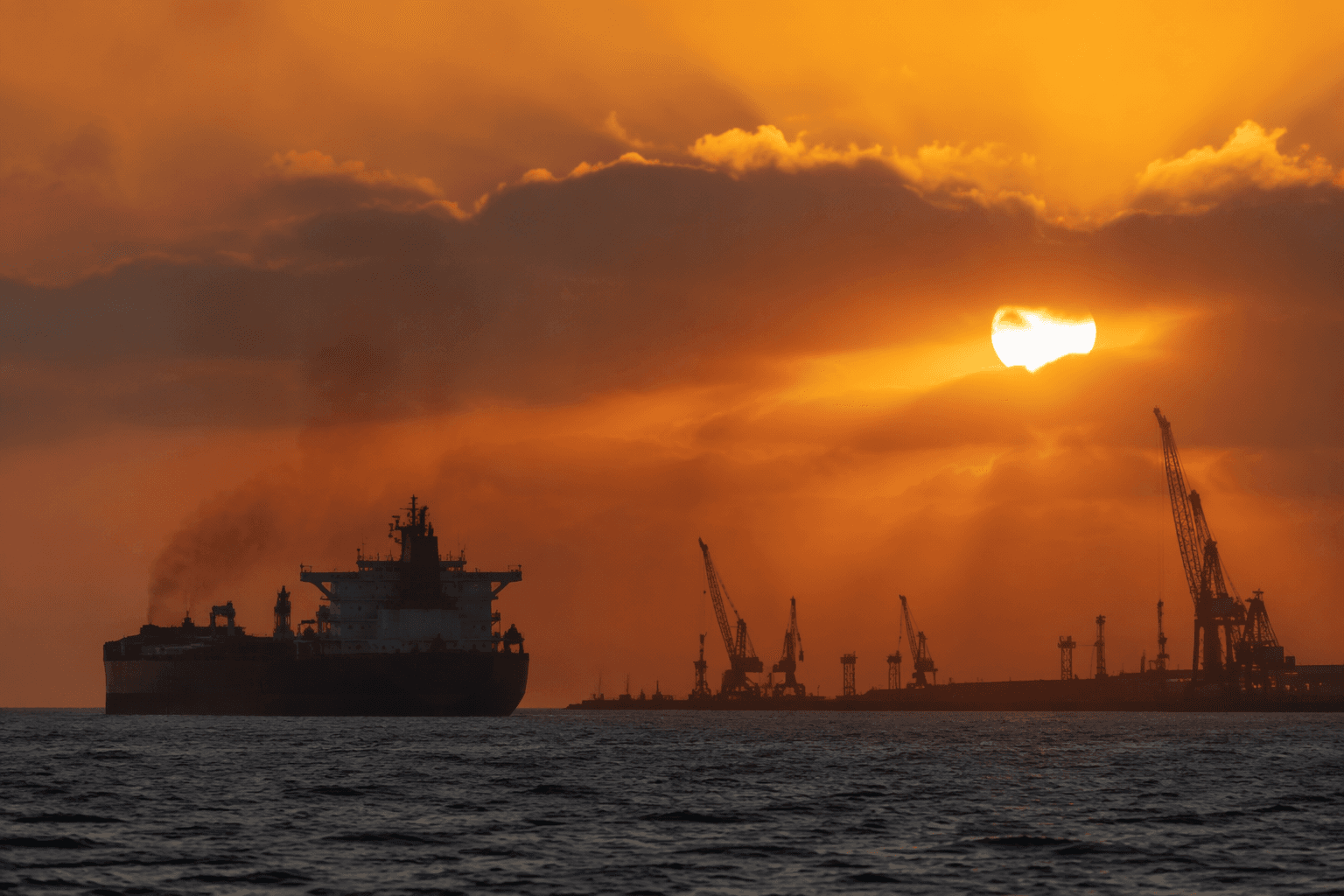
Brent crude climbed to almost $99 a barrel after Iran’s Houthi allies in Yemen claimed strikes on two Saudi tankers in the Red Sea, a move that signaled how fast a shipping-lane scare can filter into U.S. gasoline prices, airline fares and the cost of imported goods. Reuters had already logged Brent up more than 5 percent to over $98 a barrel after at least one Saudi oil tanker was attacked, underscoring how sensitive energy markets remained to disruption near one of the world’s busiest maritime corridors.
The market jolt landed alongside a renewed fight in Washington over Iran. On June 3, the House of Representatives voted 215-208 to direct President Donald Trump to remove U.S. Armed Forces from hostilities with Iran, with four Republicans joining Democrats in the rebuke. The House clerk identified the measure as H. Con. Res. 86, a resolution adopted pursuant to section 5(c) of the War Powers Resolution.
The immediate price spike mattered because oil traders were reacting not just to the attack itself, but to the risk that it could spread to broader supply routes. The Red Sea feeds into the shipping network that also reaches the Strait of Hormuz, and any sustained threat there can ripple far beyond crude futures, raising freight costs for tankers that move fuel, chemicals and consumer goods.
History showed why markets watch that region so closely. A Congressional Research Service note on the September 14, 2019 Saudi oil attacks said the strikes disrupted 5.7 million barrels per day of production, about half of Saudi output and roughly 5 percent of global supply. The note described that event as the largest single disruption to crude oil supplies in history at the time.
That scale of damage is what tends to keep prices elevated. A brief tanker attack can push Brent higher for a session or two, but a shock is more likely to persist if it threatens Saudi production, export terminals or traffic through the Strait of Hormuz. In that case, the cost would not stop at the pump in the United States; it would reach freight, aviation and household budgets through a tighter global oil market.
This article was produced by Prism’s automated news system from verified source data, official records, and press releases, then run through automated quality and moderation checks before publishing. The system is built and supervised by the people who set the standards it runs under. Read our full AI policy.
Did this article answer your question?