Wildfire destroys Sicily olive crop, threatens future harvests
A Sicilian wildfire wiped out one farm’s olive crop and damaged trees for future harvests, sharpening fears over prices, insurance and farm survival.
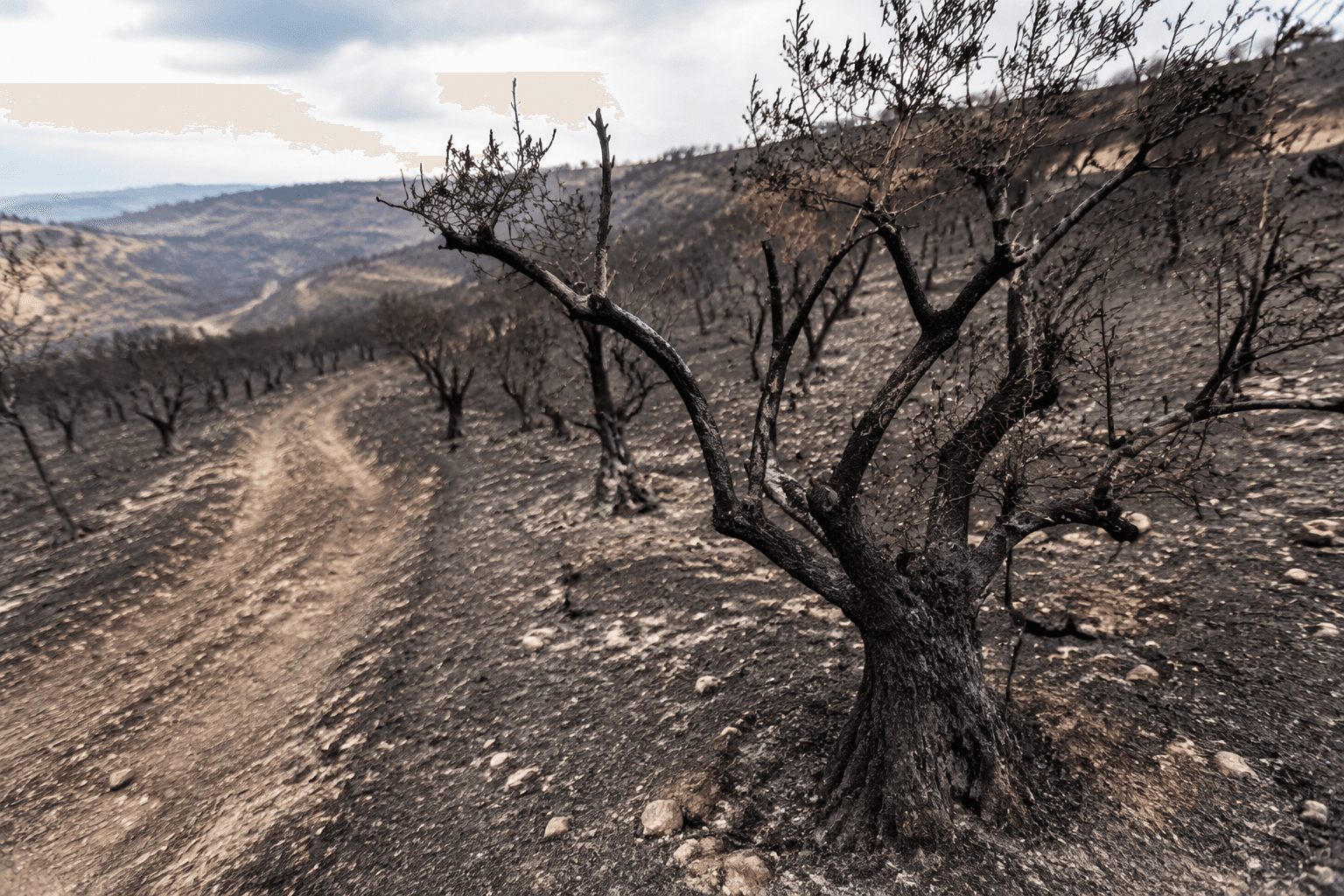
A wildfire tore through Azienda Agricola Barbaccia in Sicily and wiped out this year’s olive crop, while also damaging trees that should have produced future harvests. The farm loss put a human face on a summer of extreme heat and fire that has already strained southern Europe’s farms, emergency crews and food supply chains.
Marco Barbaccia, who runs the family farm, said the blaze destroyed the olive groves at the property. An Associated Press video description said the flames overwhelmed extensive fire prevention measures, underscoring how quickly fire can outrun even prepared rural land when heat and dryness intensify.
The damage matters because olive trees are not annual crops that can simply be replanted for next season. A fire that kills fruiting trees or weakens them for years can erase income far beyond one harvest, leaving growers with lost oil, damaged groves and higher replanting costs. That makes the blow especially severe in Sicily, where olives are tied to local economies, export sales and household food budgets.
The farm fire landed amid a broader run of blazes across the island. ReutersConnect captions described dozens of wildfires sweeping across Sicily in July 2026, including fires in western and southern parts of the island and blazes that threatened residential areas. In one related incident, more than 100 people were forced to evacuate. Another caption showed smoke rising after a wildfire in Castronovo di Sicilia on July 22, 2026, while a separate image item showed a wildfire-affected area in Bivona in a before-and-after satellite comparison dated July 18, 2026.
The weather backdrop has been punishing. Reuters described fires in Spain and France on July 21 amid erratic European weather, and olive farmer Filippo Legnaioli said Sicily had endured a very dry spring with practically no rainfall. That combination of heat, drought stress and fire risk is becoming a direct economic threat to farms that depend on stable seasons and predictable harvests.
The pressure reaches beyond one island and one crop. Olive oil prices are highly exposed to weather shocks and regional shortages, and repeated fire damage can ripple into insurance costs, replanting decisions and the long-term viability of family farms. A similar loss in Greece last year showed the same stakes: Panagiotis Kazouras mourned 150-year-old olive trees lost to wildfire, a reminder that Mediterranean agriculture can lose heritage as well as income when flames move through groves.
This article was produced by Prism’s automated news system from verified source data, official records, and press releases, then run through automated quality and moderation checks before publishing. The system is built and supervised by the people who set the standards it runs under. Read our full AI policy.
Did this article answer your question?