Oil prices jump as U.S.-Iran strikes and Strait fears rattle markets
Oil and U.S. crude jumped as strikes between Washington and Tehran revived Strait of Hormuz fears, a move that could quickly feed into gasoline, airline and inflation costs.
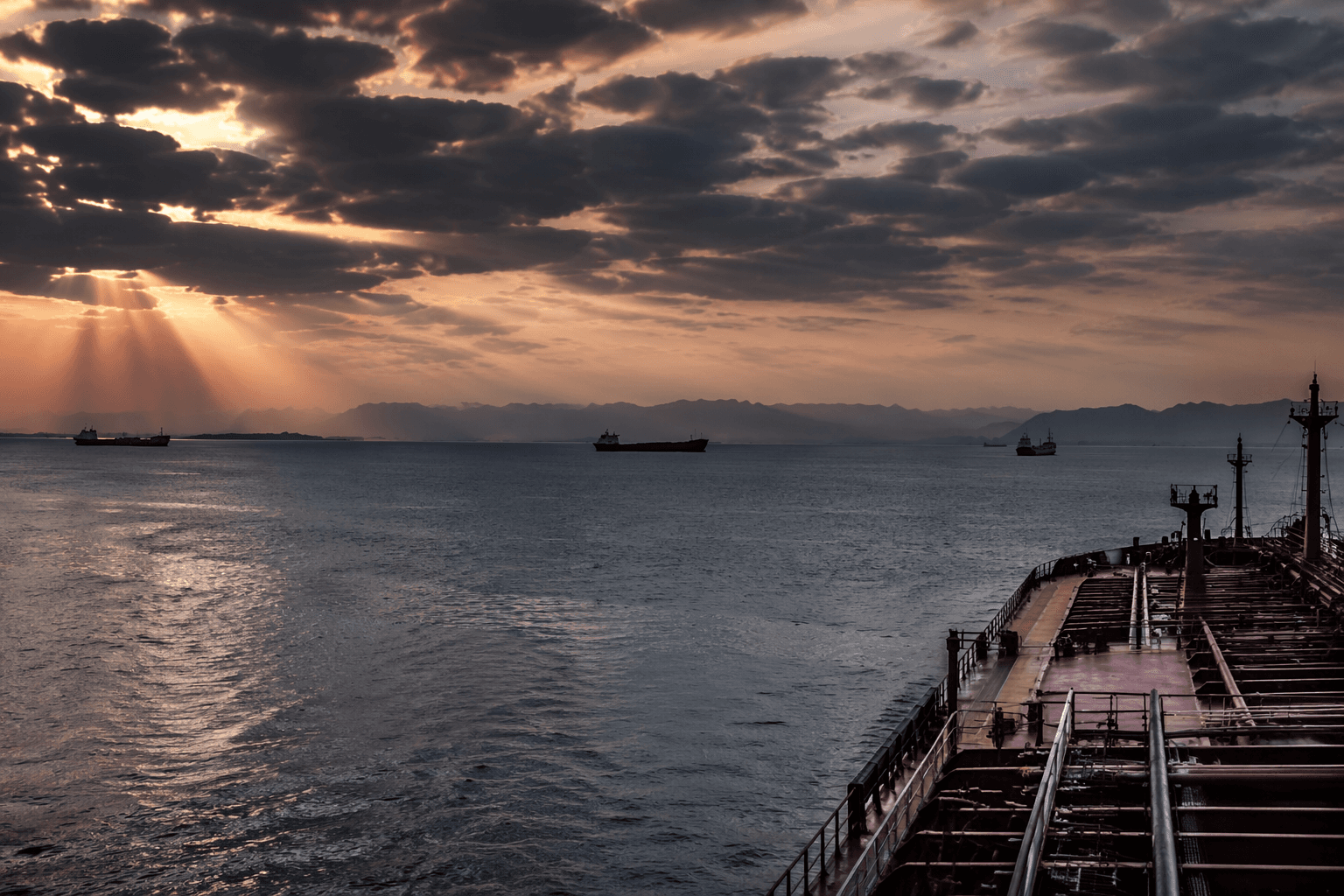
Oil prices snapped higher as the U.S.-Iran conflict moved from threat to action, sending traders back to the same question that has rattled energy markets for weeks: how close is the Strait of Hormuz to a disruption that would hit fuel costs far beyond the crude pit?
Brent futures rose about 3% to $93.80 a barrel and U.S. crude climbed 3.5% to $90.39 on June 1, after earlier gains of roughly 2.4% to 3% in early trading. The rebound followed reports that the United States and Iran traded strikes over the weekend, while Israel ordered troops to push deeper into Lebanon amid fighting with Iran-backed Hezbollah. Traders also focused on reports that Iran was considering closing the Strait of Hormuz, the narrow waterway that carries roughly one-fifth of the world’s oil and gas supplies.
For households and businesses, the transmission is fast. Higher crude prices usually show up first at gasoline pumps, then in airline fuel bills, freight costs and eventually inflation expectations if the shock lingers. That is why even a few dollars’ move in Brent can matter: it can alter refiners’ margins, air carriers’ hedging costs and the market’s view of whether price pressure will spill into broader consumer inflation.
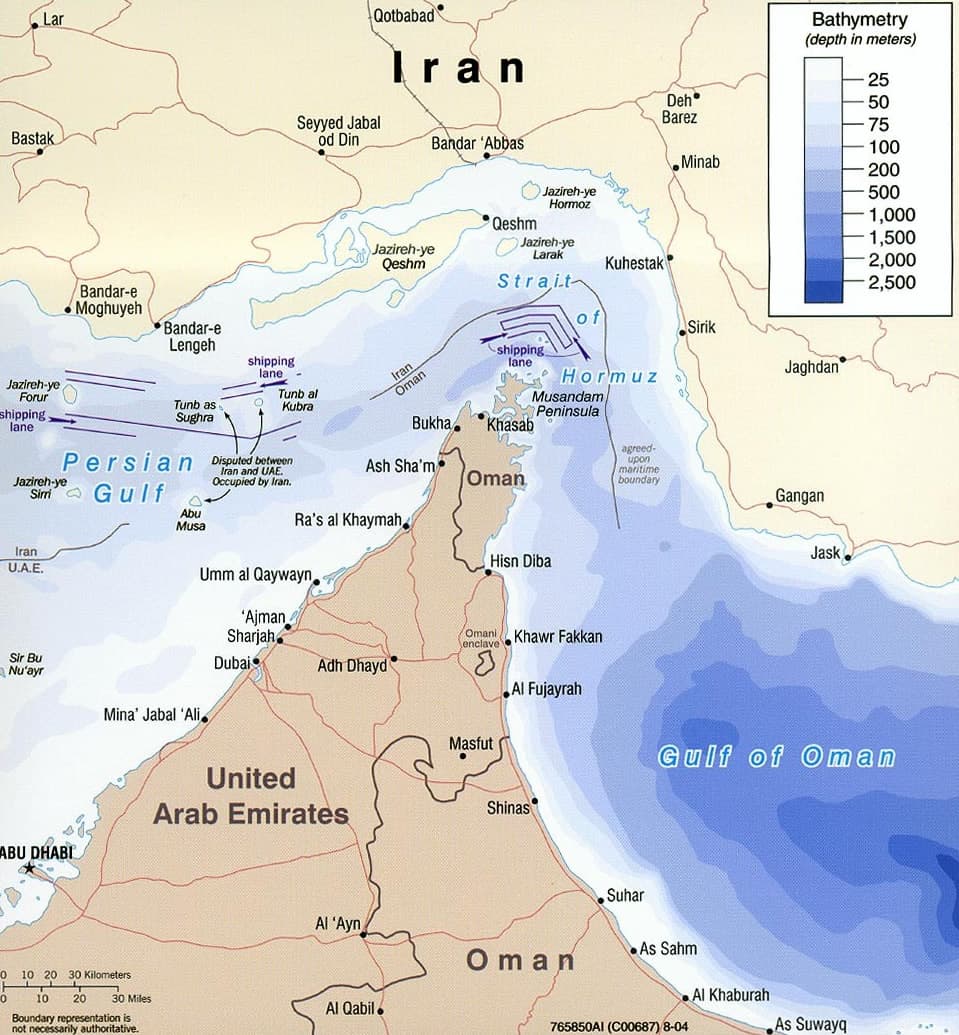
The jump came after a volatile month in which Brent fell around 19% and West Texas Intermediate lost about 17% in May. Even with U.S. stocks near record highs, oil traders remained wary, and the latest flare-up pushed the market back toward a classic geopolitical premium. U.S. crude exports hit a record 5.6 million barrels per day in May as refiners in Asia and Europe increased demand for U.S. oil during the Middle East crisis, showing how quickly global buyers were already reshuffling supply chains.
Donald Trump added to the uncertainty. He said he “couldn’t care less” if Iran talks collapsed, then later suggested negotiations were continuing at a “rapid pace.” That mixed message left markets parsing diplomacy against military escalation, a combination that can keep crude supported even when broader financial markets are calm.

The key distinction is whether this becomes a short-lived scare or a sustained energy shock. If strikes remain limited and the Strait of Hormuz stays open, traders may eventually unwind part of the risk premium. But if conflict threatens tanker traffic, history suggests the consequences can be severe: the World Bank has said conflict-related disruption in the Strait of Hormuz triggered the largest oil market shock in history, with global oil supply crashing by 10.1 million barrels per day in March.
This article was produced by Prism’s automated news system from verified source data, official records, and press releases, then run through automated quality and moderation checks before publishing. The system is built and supervised by the people who set the standards it runs under. Read our full AI policy.
Did this article answer your question?

