Oil prices plunge as Hormuz tanker exodus signals oversupply
Oil fell more than $3 as tankers left Hormuz, but the real test is whether cheaper crude reaches gas stations, shipping rates and household bills.
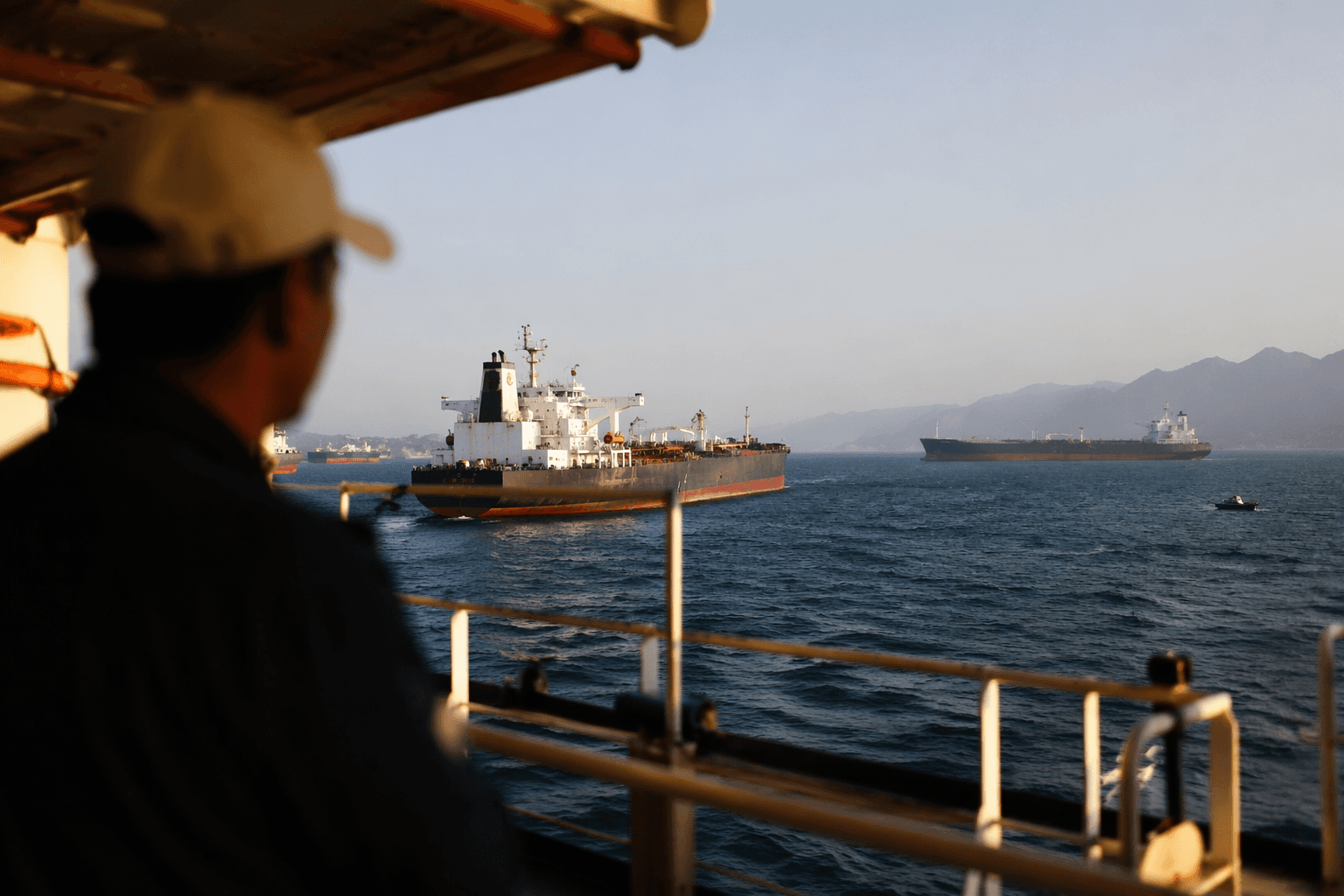
Benchmark oil prices fell sharply on Wednesday, with Brent crude dropping more than $3 to its lowest level since before the Iran war as more tankers exited the Strait of Hormuz and traders began pricing in near-term oversupply. U.S. crude futures slipped below $70 a barrel, their weakest level since March 2, while Brent’s second-month contract traded above the prompt-month contract for the first time since the fighting began in late February, a classic sign that nearby supply is loosening.
The move matters for consumers only if it reaches gasoline, freight and other costs that shape inflation. President Donald Trump said on social media on Wednesday that lower oil prices were not showing up fast enough at the gas pump, accused oil companies of gouging consumers and said he would direct the Justice Department to look into the matter. The pressure point is not just the price of crude itself, but whether refiners, shippers and retailers pass through cheaper barrels quickly enough to ease what households pay at the pump and for goods moved by truck, ship and plane.

The easing in prices follows signs that the Persian Gulf supply route is normalizing faster than many traders expected. On June 12, Energy Secretary Chris Wright said roughly 7 million barrels a day of oil were getting out of the Persian Gulf with U.S. military help, underscoring how much of the market had been operating under wartime logistics. Reuters said vessel crossings in the Strait of Hormuz have increased, though they remain below pre-war levels, and physical crude cargoes are already selling at discounts in some markets as Middle Eastern supply rises.
The shift has come quickly. Brent had already fallen about 4% on June 16 to $79.88 a barrel on hopes of a U.S.-Iran deal, then extended its slide as expectations grew that an interim agreement could reopen the Strait of Hormuz and release millions of barrels of stranded oil into global markets. Reuters said Middle Eastern crude prices were likely to fall if the strait reopened, while traders and shippers have concluded that the export losses from the conflict have been smaller than first feared. That optimism could still reverse if negotiations in Switzerland stall or if security in the waterway deteriorates again, because the market is now repricing geopolitical risk as a shipping problem rather than a supply shock.
This article was produced by Prism’s automated news system from verified source data, official records, and press releases, then run through automated quality and moderation checks before publishing. The system is built and supervised by the people who set the standards it runs under. Read our full AI policy.
Know something we missed? Have a correction or additional information?
Submit a Tip