Oil Prices Rise as U.S.-Iran Peace Talks Stall Again
Oil rose and stocks barely blinked as U.S.-Iran talks stalled again, with traders still betting the Strait of Hormuz stays open.
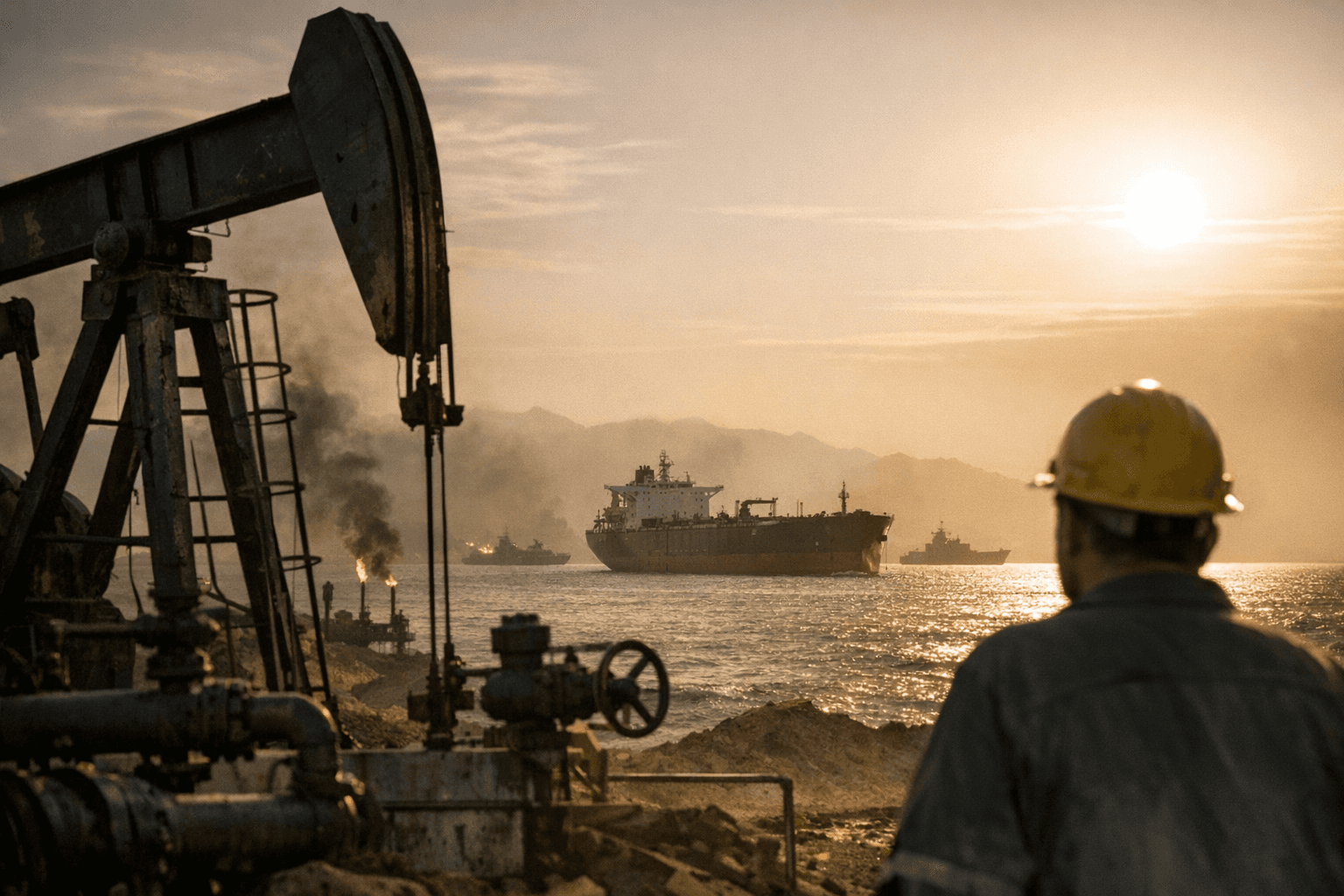
Markets reopened with a muted response even as U.S.-Iran diplomacy stalled again, a sign that traders are still pricing restraint rather than immediate escalation. Oil futures climbed, but the broader equity market held up far better than the geopolitical headlines suggested, with the S&P 500 and Nasdaq Composite reaching record highs on April 24 despite the tension.
The latest jolt came after President Donald Trump called off a trip to Pakistan by two U.S. negotiators for peace talks with Iran, and Iranian officials hardened their public line. President Masoud Pezeshkian said Iran would not enter imposed negotiations under threats or blockade, while Foreign Minister Abbas Araghchi was in Pakistan as the diplomacy effort continued. Pakistan had previously escorted Iranian negotiators home after inconclusive talks amid security concerns, underscoring how fragile the channel has become.
The market focus is the Strait of Hormuz, the narrow waterway that normally carries about one-fifth of global oil shipments, or roughly 15 million barrels a day, along with major LNG flows. Reports said Iran’s parliament backed closing the strait, but the final decision rests with the Supreme National Security Council. In one Reuters dispatch, only five ships passed through the strait in a 24-hour period, a stark sign of how constrained traffic had become.
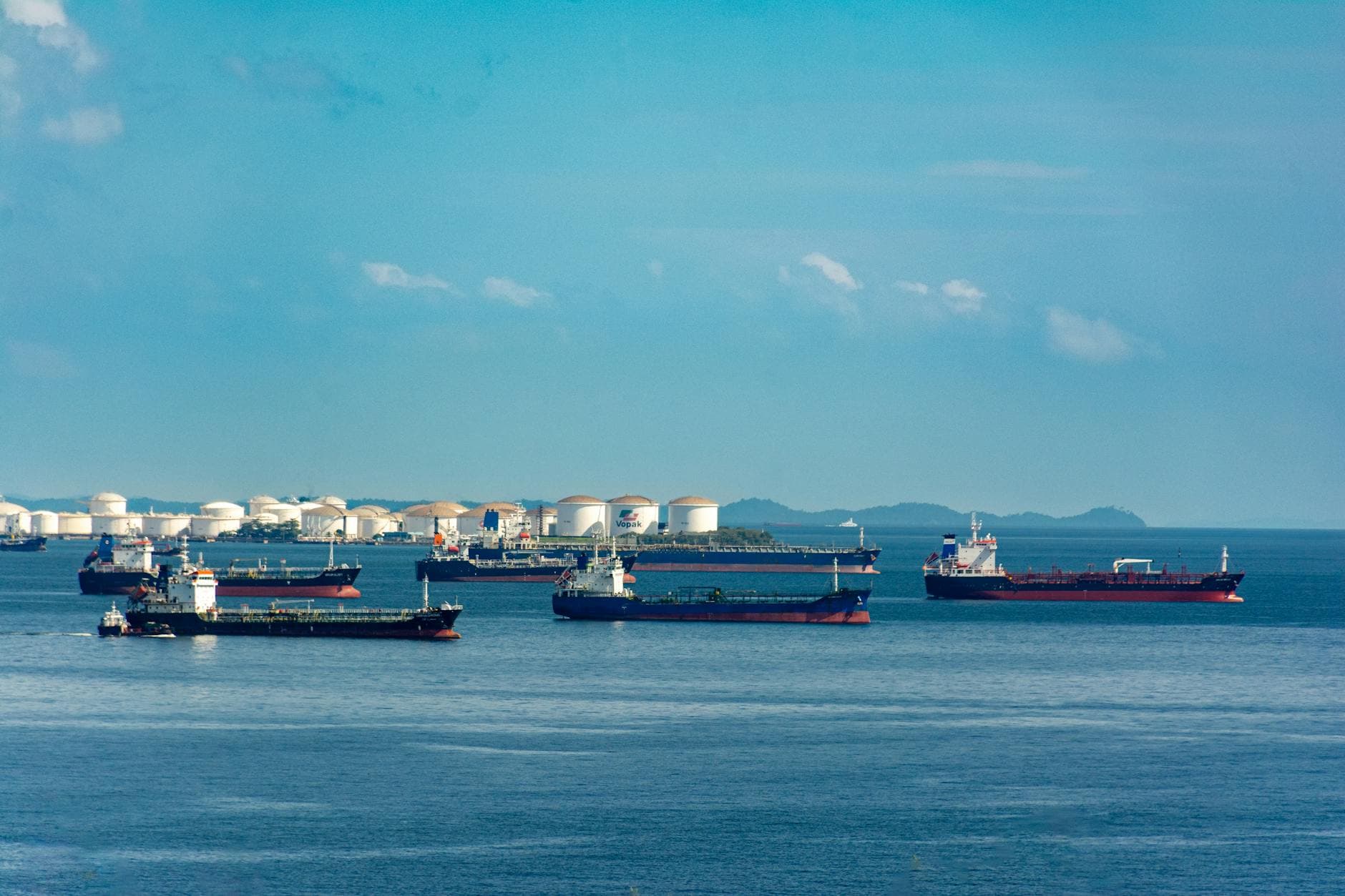
Energy prices have already been reacting to that risk. Brent climbed as much as 2.5% to $107.97 a barrel in one move, while West Texas Intermediate advanced toward $97 before easing on fresh hopes for a proposal from Tehran. Other market reports put Brent above $100 and WTI in the upper $90s, leaving oil with an elevated risk premium as supply disruption and tighter inventories kept buyers cautious.
The key reason stocks have not sold off harder is that investors are still assuming the conflict can be contained. The war began with an Israeli attack on Iran on June 13, 2025, and since then oil has yo-yoed on ceasefire rumors, blockade headlines and diplomatic interruptions. That pattern has taught traders to wait for hard evidence, not rhetoric. The next signals will come from shipping traffic in Hormuz, any move by the Supreme National Security Council, and whether Washington and Tehran resume direct contact. If traffic remains limited or talks collapse again, oil could climb fast, and the inflation impulse would quickly filter into gasoline and other consumer prices.
This article was produced by Prism’s automated news system from verified source data, official records, and press releases, then run through automated quality and moderation checks before publishing. The system is built and supervised by the people who set the standards it runs under. Read our full AI policy.
Did this article answer your question?