Oil prices slip as Hormuz traffic rebounds faster than expected
Brent slid to $72.52 as nearly 20 million barrels crossed Hormuz in 24 hours, easing fears that Gulf conflict would choke supplies.

Oil prices fell closer to prewar levels on Thursday as traffic through the Strait of Hormuz rebounded faster than traders had expected, with Brent crude around $72.52 a barrel in early trading and U.S. West Texas Intermediate near $69.32.
The move reflected a market that is still watching the Gulf for escalation, but is also betting that oil can keep moving. U.S. Energy Secretary Chris Wright said almost 20 million barrels of crude had exited the strait in the previous 24 hours on 72 ships, a sign that the chokepoint was handling more cargo even after days of war risk. Wright said full normal navigation could still take weeks because mine-clearing work remained necessary in the narrow waterway.

Oman added to that picture by announcing a temporary maritime corridor through Hormuz in coordination with the International Maritime Organization. The route was offered without a fee, a practical step aimed at keeping vessels moving while the region remains on edge. Data from the International Maritime Organization showed 57 ships carrying about 1,100 seafarers had transited the strait since June 23 under an evacuation plan, underscoring how quickly shipping activity has begun to return even as security risks persist.
The diplomatic backdrop remained tense. U.S. Secretary of State Marco Rubio ended a Gulf tour in Bahrain after meeting Gulf Arab foreign ministers to press support for a preliminary Iran deal, while Gulf allies said they had serious concerns and wanted to be informed of every step. Iran’s Revolutionary Guards warned vessels to stick to routes designated by Tehran and rejected the newly announced shipping lanes as unacceptable and dangerous.
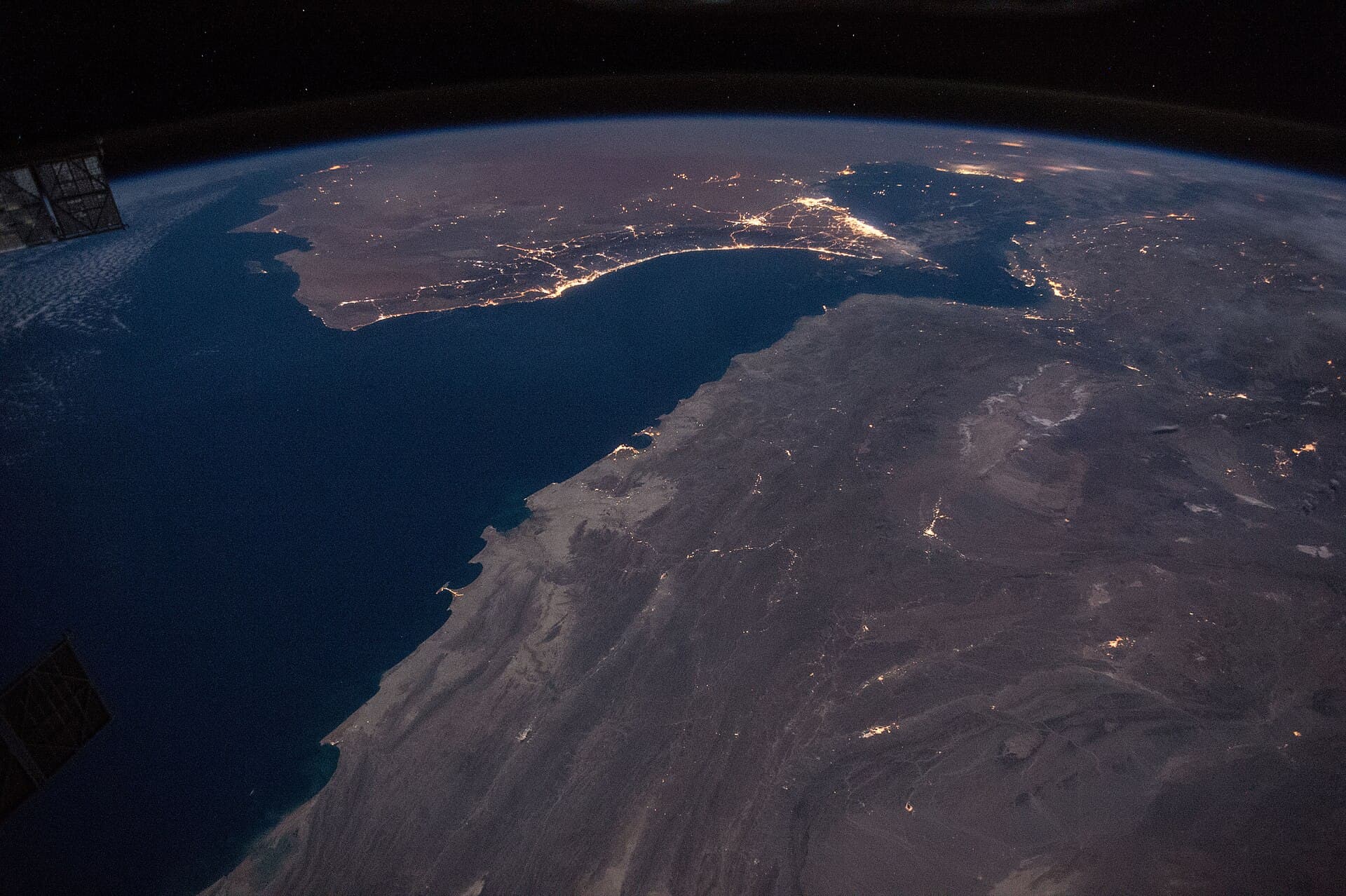
The speed of the price retreat matters because it shows how quickly a war premium can fade when supply keeps moving. The World Bank said the conflict and near-total disruption of shipping through Hormuz triggered the largest oil market shock in history, with Brent rising about 65 percent by the end of March and global oil supply crashing by 10.1 million barrels a day that month. Prices later eased after a temporary ceasefire and subsequent negotiations restored more regional flows, and Thursday’s slide suggested traders were again treating Hormuz disruption as serious but manageable, at least for now.
This article was produced by Prism’s automated news system from verified source data, official records, and press releases, then run through automated quality and moderation checks before publishing. The system is built and supervised by the people who set the standards it runs under. Read our full AI policy.
Know something we missed? Have a correction or additional information?
Submit a Tip