Oil Prices Slip, Markets Hope Ceasefire Will Return Russian Supply
Oil futures eased on Nov. 27 as traders priced in growing hopes that progress toward a Ukraine Russia ceasefire could eventually lead to the unwinding of sanctions and the return of additional Russian crude to global markets, a development that would reshape near term supply dynamics. The move matters because even modest increases in Russian loadings could ease fuel costs and inflationary pressure, while leaving prices exposed to diplomatic developments and policy responses from OPEC plus.
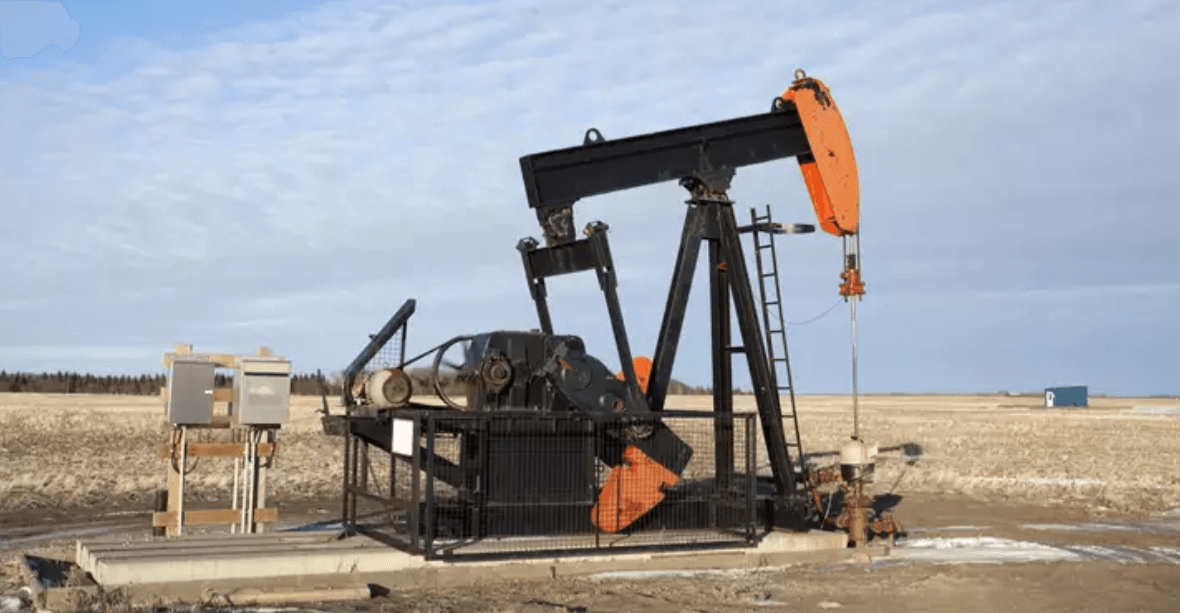
Oil futures eased on Nov. 27 as market participants reacted to diplomatic signals that suggested a potential Ukraine Russia ceasefire could be within reach, a prospect that would open the door to the partial restoration of sanctioned Russian exports. Brent and U.S. West Texas Intermediate futures were trading lower by around one percent as traders scaled back risk premia that had kept prices elevated since the 2022 conflict erupted.
Trading volumes were thin because U.S. markets observed Thanksgiving related closures, and traders said liquidity conditions amplified sensitivity to headlines from negotiations. Market participants are also awaiting the weekly U.S. Department of Energy inventory report, and are watching for any fresh guidance from OPEC plus about its supply strategy, both of which could provide near term clarity on the balance between demand and available supply.
Analysts note that the mechanics are straightforward. Sanctions and voluntary buyer boycotts have constrained Russian barrels entering world markets for more than three years, and any credible path to a ceasefire that eases those restraints would increase available crude and product flows. Market strategists say that even a return of a few hundred thousand barrels per day of incremental Russian shipments could be sufficient to tip a tight market toward surplus on a short run basis, weighing on prices that have benefited from geopolitical risk premia.
OPEC plus, led by Saudi Arabia and Russia, faces a complicated choice. If additional Russian supply reappears, OPEC plus could elect to tighten quotas elsewhere to support prices, or conversely allow a gradual rebalancing that would lower pump prices for consumers. That binary response raises the risk of renewed volatility as market participants try to anticipate policy moves. Russia remains a key figure in OPEC plus discussions and any adjustment in its output or in collective quotas would have immediate market impact.

The broader macro implications are significant. Softer oil prices would relieve one component of headline inflation globally, easing costs for transportation and manufacturing. For energy intensive economies and for central banks, a sustained decline in oil would reduce inflationary pressure, potentially giving policymakers more room to be patient on interest rate moves. On the other hand, sustained uncertainty about sanctions regimes and geopolitical commitments could delay investment decisions in both upstream and downstream sectors, underpinning longer term price support even if near term supply increases.
For now traders are navigating a narrow path between diplomatic optimism and the known structural limits on spare capacity. With holiday liquidity likely to persist through the U.S. long weekend and key data and OPEC plus statements due in coming days, analysts expect choppy trading and quick swings in sentiment as the market tests the implications of any progress on a ceasefire and the pace at which sanctioned barrels might reenter global trade.
This article was produced by Prism’s automated news system from verified source data, official records, and press releases, then run through automated quality and moderation checks before publishing. The system is built and supervised by the people who set the standards it runs under. Read our full AI policy.
Did this article answer your question?

