Oil prices steady after Oman denies disruption at key export port
Oman’s denial of a port disruption calmed oil traders after a rumor briefly rattled prices at Mina al Fahal, which moves up to 900,000 barrels a day.

Oil prices steadied after Oman said operations at Mina al Fahal were proceeding normally, easing a brief scare over one of the sultanate’s most important crude export points. The episode showed how quickly traders now react to any hint of trouble in the Middle East, where conflict, tanker traffic through the Strait of Hormuz and tight inventories have left the market highly sensitive to even short-lived interruptions.
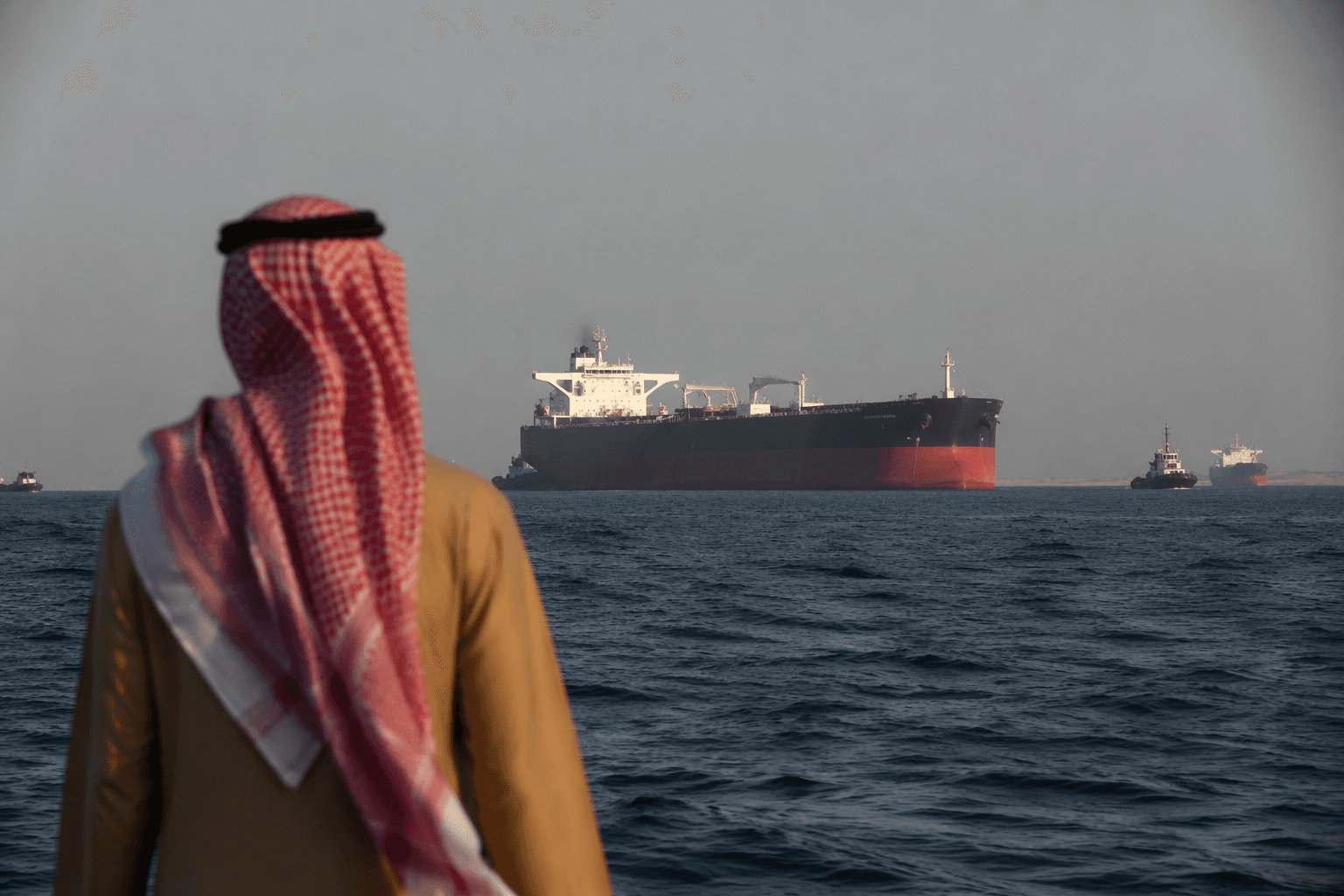
Three sources had earlier said oil loading was suspended after an explosion near the terminal’s mooring berths. Shipping data from LSEG showed several supertankers anchored off the port, adding to the market’s unease before Petroleum Development Oman said the facility was functioning as usual. Brent and West Texas Intermediate moved lower after the clarification, but both benchmarks were still set for weekly gains as the broader supply picture remained tight.

The scare mattered because Mina al Fahal is no minor outlet. Located near Muscat on the Gulf of Oman, the terminal exports roughly 800,000 to 900,000 barrels per day of crude and sits at a critical point in global oil logistics. Port references describe it as an offshore facility using subsea pipelines and single-buoy mooring systems, with loading handled through multiple SBMs and berths. The reported blast was said to have occurred between SBM 1 and SBM 2 and may have involved a drone attack, although no official confirmation of that cause was given.
The terminal also carries long historical weight for Oman’s oil industry. Petroleum Development Oman says the site, formerly known as Saih Al Maleh and later renamed Mina Al Fahal, became a landmark in the country’s export history when the tanker Mosprince sailed with a 543,800-barrel cargo. That legacy helps explain why any disruption there gets attention well beyond Oman’s borders.

Even without confirmed damage, the fact that the rumor spread at all underscored how thin confidence remains in a market already watching Middle East energy security closely. Analysts have been warning about tight global inventories, which gives every unexplained incident a larger price impact than it would have in a looser market. For traders, the Mina al Fahal scare was less about barrels lost in the moment than about the possibility that another export node, or another shipping route, could be next.
This article was produced by Prism’s automated news system from verified source data, official records, and press releases, then run through automated quality and moderation checks before publishing. The system is built and supervised by the people who set the standards it runs under. Read our full AI policy.
Did this article answer your question?