Oil prices surge as U.S.-Iran tensions reignite market fears
Oil prices jumped after Trump said the Iran ceasefire was “over,” reviving fears of higher gasoline, shipping and airline costs.
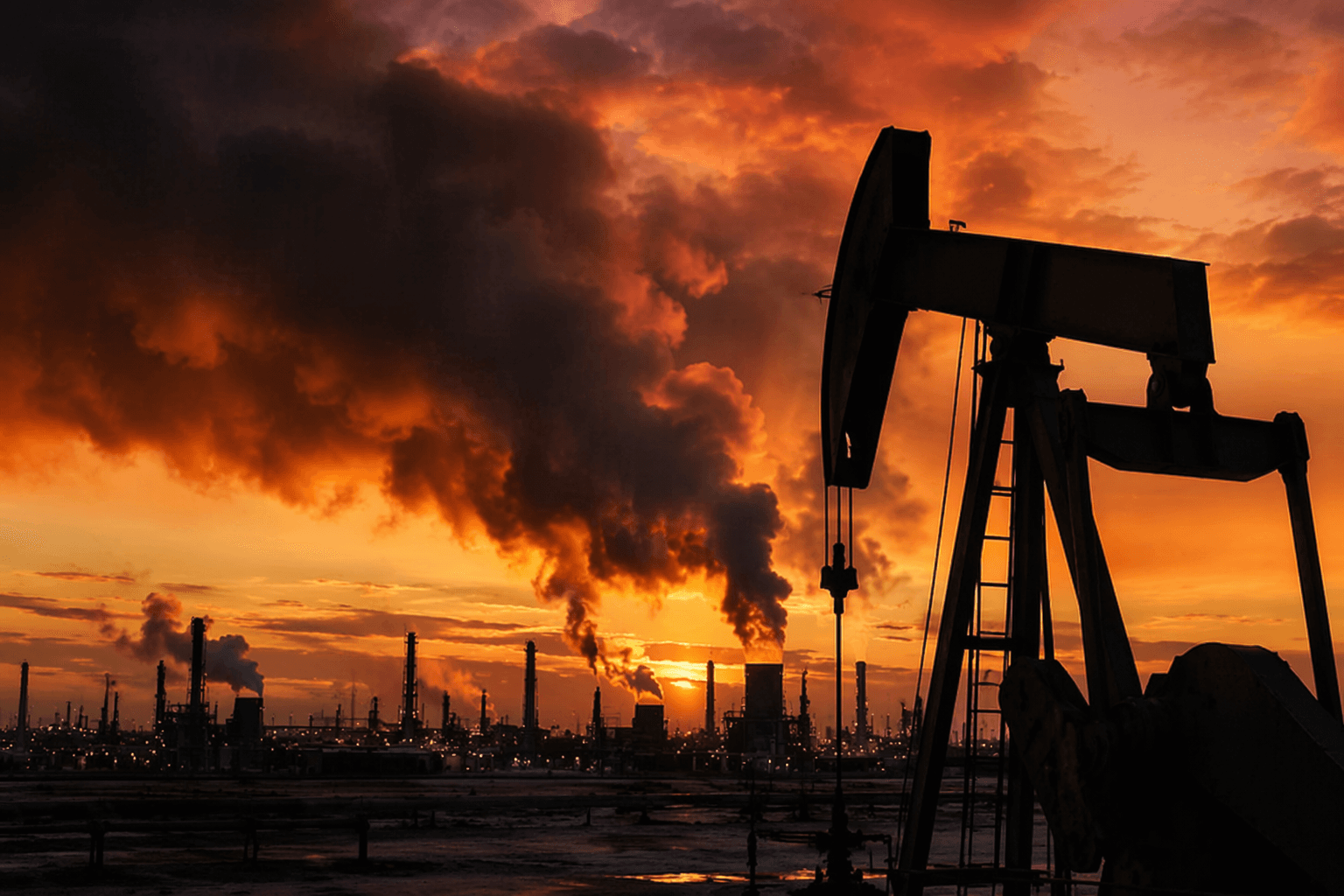
Oil prices jumped again Wednesday after President Donald Trump said the ceasefire with Iran was “over” and the U.S. military launched new strikes in retaliation for attacks on three commercial vessels in the Strait of Hormuz. Brent crude settled up 5.43% at $78.19 a barrel and West Texas Intermediate rose 4.37% to $73.52, while the Dow Jones Industrial Average fell 576.76 points, or 1.09%, and the S&P 500 slipped 0.28%.
A fresh oil spike can quickly move through gasoline prices, shipping costs and airline fuel bills, then into inflation expectations and household spending. The U.S. Energy Information Administration says the Strait of Hormuz carries about 35% of global seaborne crude oil trade.
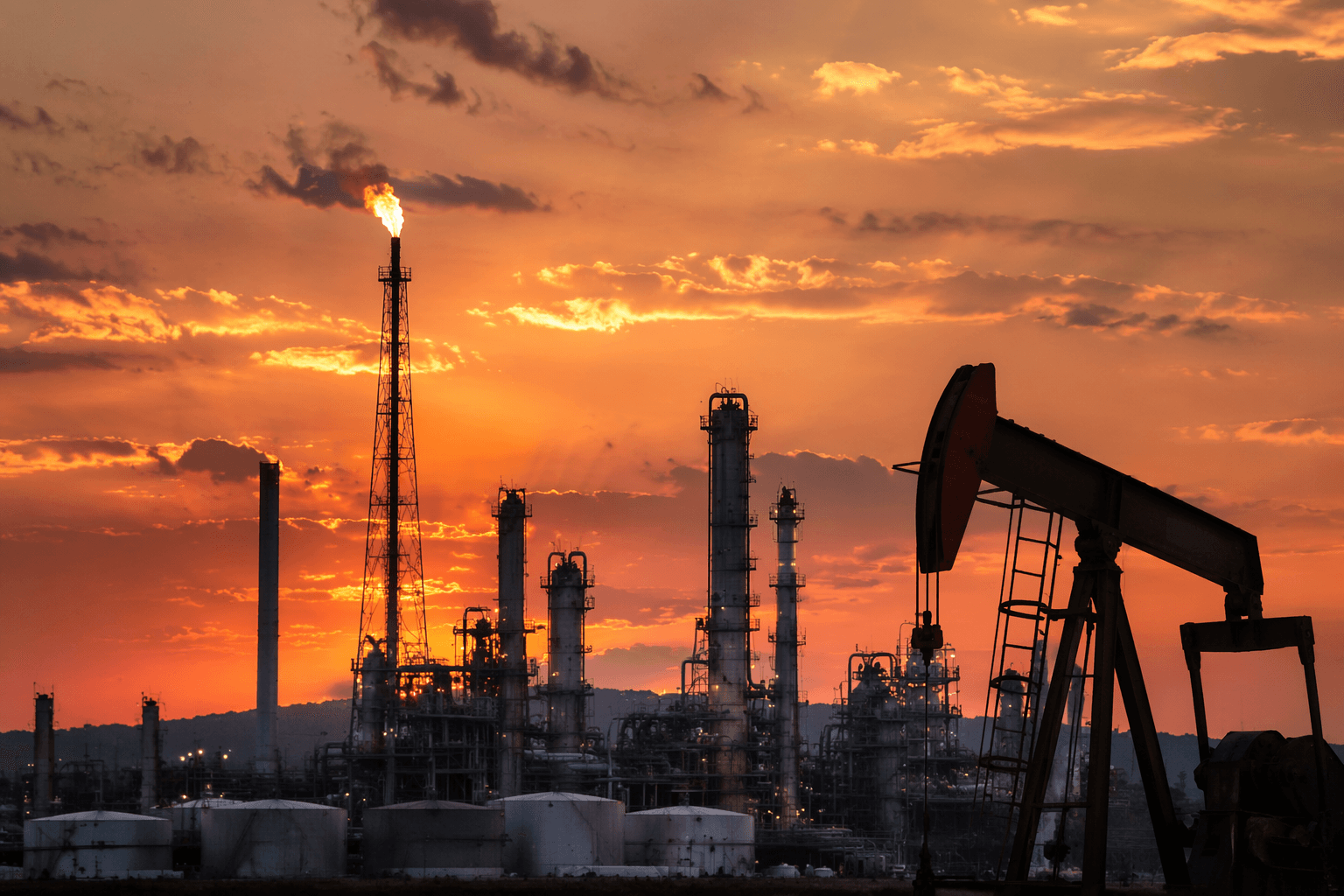
The U.S. Energy Information Administration said the Strait of Hormuz had been effectively closed since Feb. 28 before a June 18 U.S.-Iran memorandum of understanding reopened it. Brent then fell below $70 on July 1, but renewed attacks have reversed some of that decline. The EIA estimated Middle East production shut-ins averaged 8.3 million barrels a day in June after peaking at 11.2 million barrels a day in May. Global oil inventories fell by an average of 5.1 million barrels a day in the second quarter and would fall by another 2.2 million barrels a day in the third quarter.
The World Bank projected energy prices would surge 24% in 2026 and overall commodity prices 16%, with Brent averaging $86 a barrel this year. Mark Rutte, the NATO secretary general, called the U.S. strikes “absolutely necessary.” A Capital.com market analyst said the renewed tensions had interrupted a complacent market narrative and reminded investors that a lasting U.S.-Iran agreement is far from guaranteed.
This article was produced by Prism’s automated news system from verified source data, official records, and press releases, then run through automated quality and moderation checks before publishing. The system is built and supervised by the people who set the standards it runs under. Read our full AI policy.
Did this article answer your question?