Oil prices surge on Strait of Hormuz fears, analysts warn of more gains
Oil climbed on Strait of Hormuz fears, with analysts warning U.S. gasoline could hit $5 a gallon if shipping stays disrupted. Brent jumped to $114.44 a barrel.
Higher fuel costs are moving from oil traders’ screens into American wallets as renewed Middle East tensions threaten the Strait of Hormuz, the narrow passage that normally carries about 20% to 25% of global seaborne oil and roughly 20% of the world’s LNG trade. When traffic through that chokepoint is disrupted, the first hits are to crude benchmarks and freight rates, but the pressure can quickly reach U.S. gas stations and broader inflation.
Oil prices jumped sharply as attacks on ships and an oil facility in the United Arab Emirates stoked worries that tankers could be delayed or rerouted. Brent crude climbed to $114.44 a barrel, while U.S. West Texas Intermediate rose to $106.42. On June 1, crude was still elevated at $91.80 a barrel, up 5.08% from the prior day, and gasoline futures were near $3.11 a gallon, leaving drivers close to four-year highs around Memorial Day.
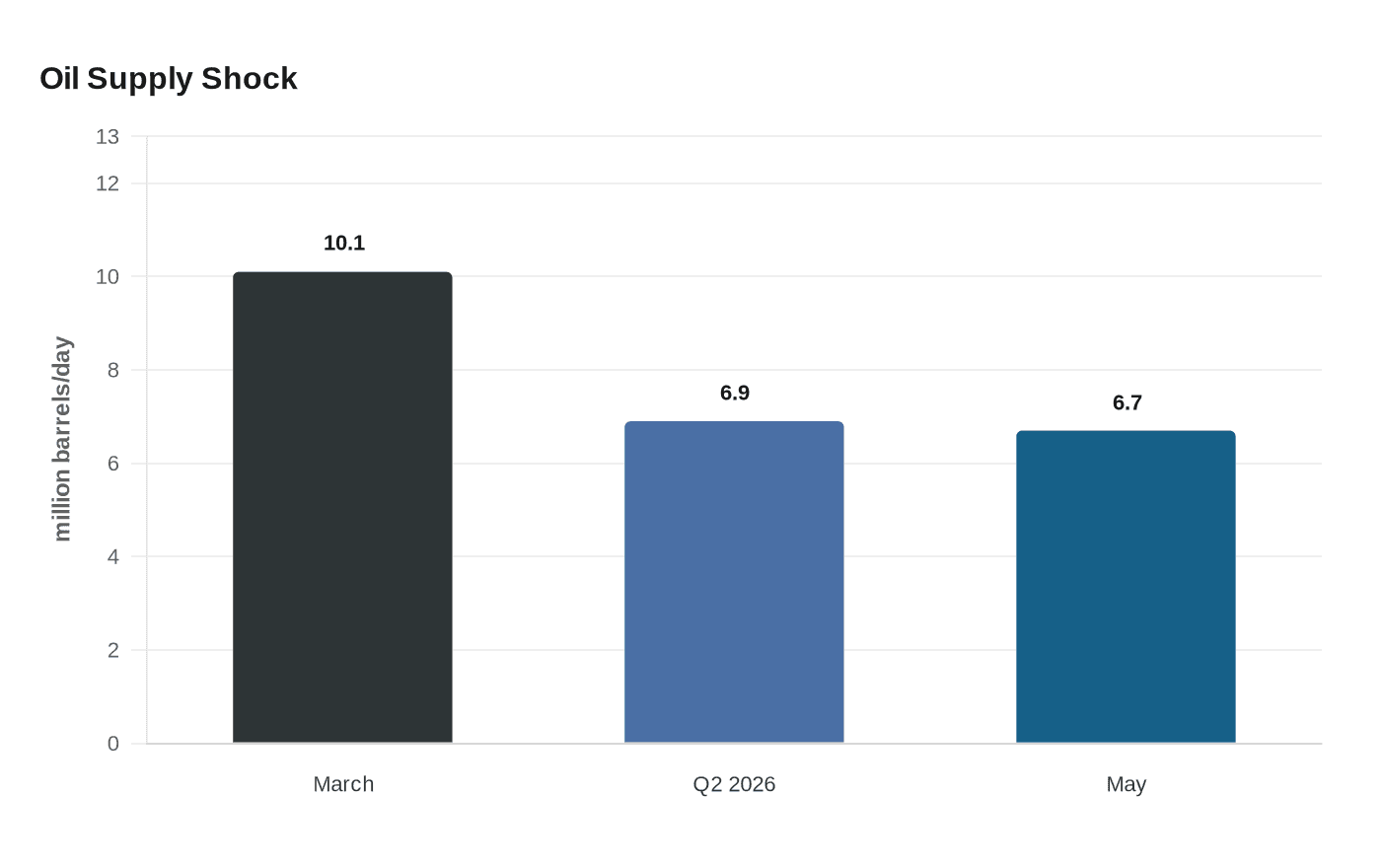
The key question is whether traders are reacting to fear or to a sustained supply loss. The World Bank said the conflict and the Strait of Hormuz disruption triggered the largest oil market shock in history, with global oil supply down 10.1 million barrels per day in March. It projected global output could fall another 6.9 million barrels per day in the second quarter of 2026 if the turmoil persists. That kind of cut would ripple well beyond crude, raising the cost of diesel, shipping, petrochemicals and imported goods.
Analysts at Eurasia Group said oil could stay above $100 a barrel and U.S. gasoline could reach $5 a gallon by June if the strait does not reopen. That scenario would hit California and the rest of the country fast, especially because gasoline prices are already near levels not seen in years. Higher freight and insurance costs for tankers would also feed into prices for everything from groceries to manufactured goods.
There is still a path back toward lower prices, but it depends on traffic resuming. The U.S. Energy Information Administration expects shipments through the Strait of Hormuz to gradually restart in June under its outlook, and said oil prices should begin to fall once flows improve. Even then, the agency warned that most pre-conflict production and trade patterns may not fully return until late 2026 or early 2027, while its April outlook said shut-in production could ease to 6.7 million barrels a day in May under a partial-resumption scenario.
This article was produced by Prism’s automated news system from verified source data, official records, and press releases, then run through automated quality and moderation checks before publishing. The system is built and supervised by the people who set the standards it runs under. Read our full AI policy.
Know something we missed? Have a correction or additional information?
Submit a Tip
