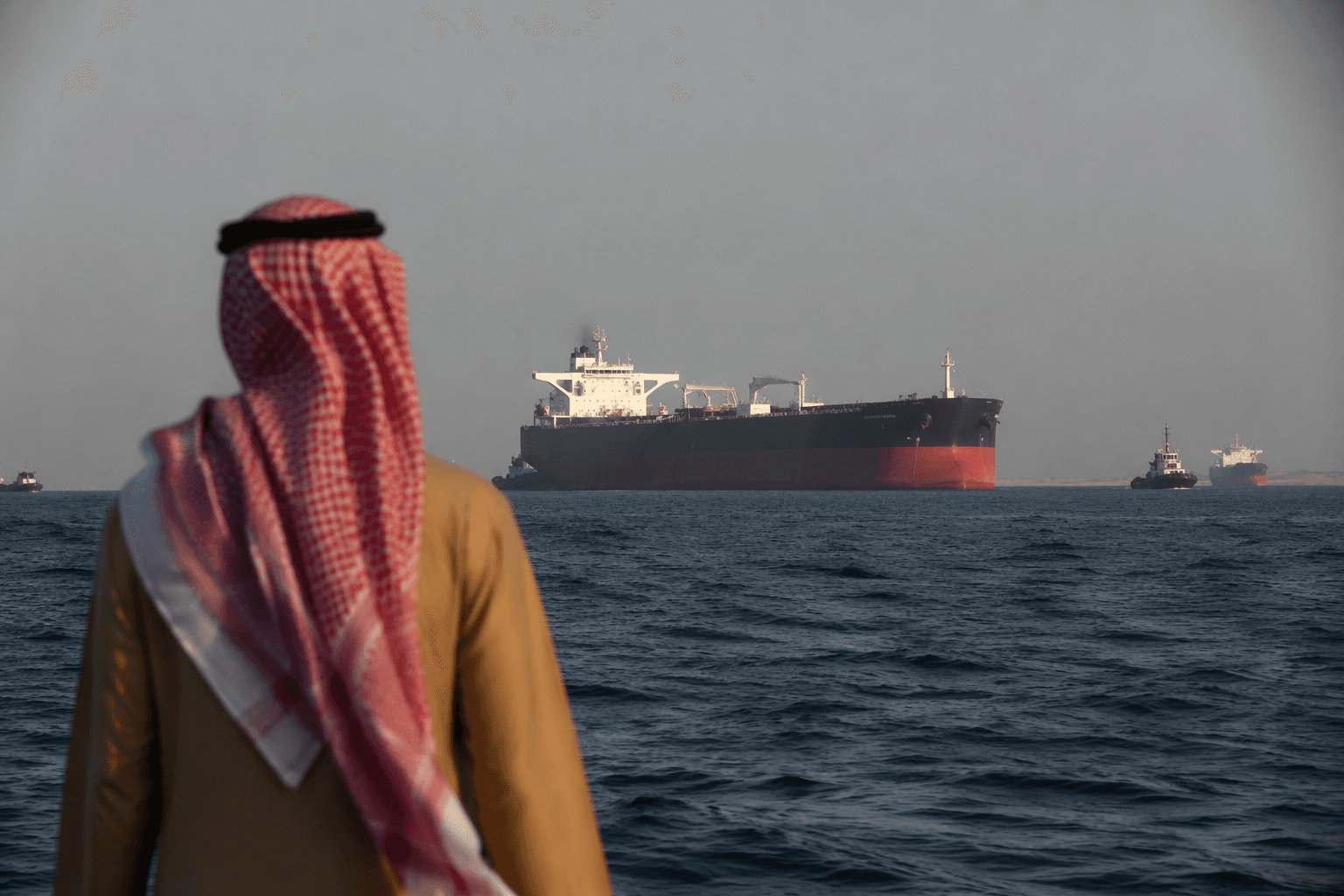
Oil slips as ships move toward possible Hormuz reopening
Oil fell to two-week lows as traders bet U.S.-Iran diplomacy could reopen Hormuz, even with shipping still exposed to seizures and attacks.

Oil slipped even as ships kept moving toward the Strait of Hormuz, a sign that traders were betting diplomacy could ease the region’s most dangerous shipping bottleneck before the market fully priced in a prolonged disruption. Brent crude fell more than 4.5% to about $98.80 a barrel as investors grew more hopeful that the United States and Iran were moving closer to a deal that could reopen the waterway and restore oil flows.
The retreat in prices reflected a narrow but consequential gap between immediate risk and possible relief. The Strait of Hormuz carried an average of 20 million barrels a day of crude oil and oil products in 2025, according to the International Energy Agency, and the U.S. Energy Information Administration said 2024 flows averaged the same level, equal to about 20% of global petroleum liquids consumption. At its narrowest point, the strait is only 29 nautical miles wide, with two-mile-wide channels for inbound and outbound shipping, leaving tankers exposed if tensions flare.

Even so, the route has not fully normalized. About 30 vessels crossed the strait on May 14, but attacks on one ship and the seizure of another kept supply fears elevated. A ship anchored off the United Arab Emirates was seized and taken toward Iran, while another was attacked and sank near the coast of Oman. A Chinese oil supertanker also appeared to have exited the strait, a sign that some traffic was still getting through despite the danger.
The diplomatic backdrop has mattered as much as the physical risk. U.S. and Iranian officials have signaled progress in talks, but they remained at loggerheads over Iran’s enriched uranium stockpile and tolls on the strategically vital strait. That uncertainty has left traders weighing whether a reopening would be immediate and complete, or gradual and uneven.

The stakes are not theoretical. The World Bank said conflict-related disruption in the Strait of Hormuz triggered what it described as the largest oil market shock in history, and the U.S. energy agency has shown how quickly prices can move there: in a June 2025 tension episode, Brent rose from $69 a barrel to $74 in a single day even though maritime traffic was not blocked. UBS warned on May 16 that global oil stockpiles could approach all-time lows by the end of May if the strait stayed closed.

For now, the market is balancing the possibility of a diplomatic breakthrough against the reality that Hormuz remains one of the world’s most critical oil transit chokepoints. The price drop suggests traders are leaning toward a reopening, but not yet enough to dismiss the risk that any recovery in flows could arrive slowly, unevenly, or not at all.
This article was produced by Prism’s automated news system from verified source data, official records, and press releases, then run through automated quality and moderation checks before publishing. The system is built and supervised by the people who set the standards it runs under. Read our full AI policy.
Did this article answer your question?