Oklahoma sues Roblox over child safety concerns and alleged misrepresentations
Oklahoma's lawsuit makes it the latest state to target Roblox, accusing the platform of misrepresenting safety while exposing minors to predators and harmful content.
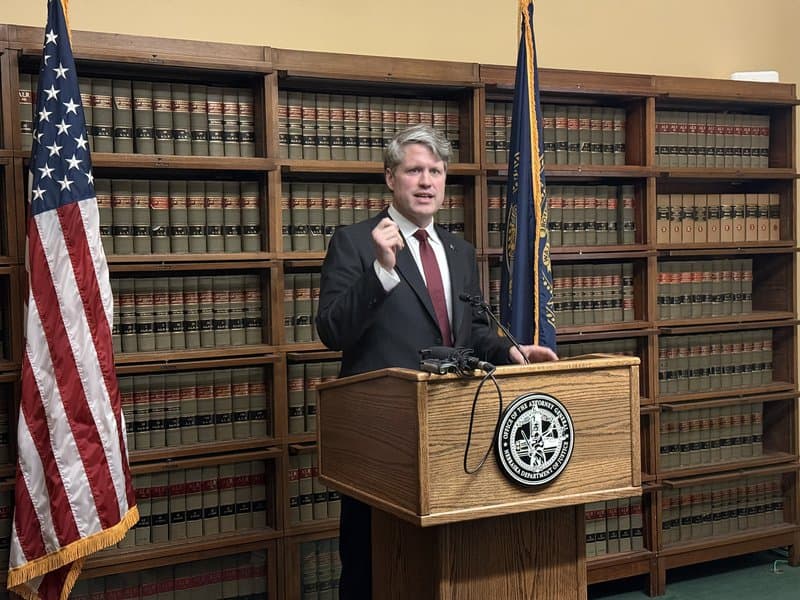
Oklahoma’s lawsuit against Roblox pushed the fight over child safety in gaming deeper into the states, where attorneys general are now testing whether consumer-protection law can force changes that Washington has not. The state filed its petition on May 14, 2026, and Attorney General Gentner Drummond is seeking to stop what the draft complaint calls Roblox’s “continued misrepresentations” about safety and its “reckless platform designs.”
The case was brought under the Oklahoma Consumer Protection Act and adds a new layer to the growing legal pressure on Roblox Corporation, which has been accused by multiple states and private plaintiffs of failing to protect children from predators, grooming and sexually explicit content. Oklahoma’s filing frames the issue not just as a content problem, but as a question of how the platform is designed, marketed and moderated for minors.

That approach fits a broader pattern. Kentucky filed its own Roblox lawsuit on Oct. 7, 2025, and Texas followed on Nov. 7, 2025. Kentucky Attorney General Russell Coleman described Roblox as a hunting ground for child predators and said the platform had more than 380 million monthly users. Texas has also faced dozens of private lawsuits from parents who say Roblox did not do enough to shield their children from sexually explicit material. Louisiana, Florida and Indiana have also taken action or opened scrutiny tied to child-safety concerns.
Roblox has said publicly that two-thirds of its users are over 13, a claim that has become central to the company’s defense as critics question whether a service so heavily used by children and teens can safely police adult-minor interactions at scale. As legal pressure has intensified, the company has announced additional safeguards, including age checks and age-based chat restrictions, moves that suggest executives are bracing for a more demanding regulatory environment.
For child-safety advocates, the significance reaches beyond one company. Oklahoma’s case could help determine whether platforms that rely on user-generated content must do more to verify ages, tighten moderation and limit direct contact between adults and minors. For families, the lawsuits underscore a basic concern that has become national in scope: whether a product marketed as family-friendly is built with enough safeguards to keep children from harm. The answer may now be shaped less by federal gridlock than by the states filing one lawsuit after another.
This article was produced by Prism’s automated news system from verified source data, official records, and press releases, then run through automated quality and moderation checks before publishing. The system is built and supervised by the people who set the standards it runs under. Read our full AI policy.
Did this article answer your question?

