Older Americans face rising financial exploitation, billions lost to scams
Older adults are the fastest-growing age group, and scams are draining billions. The hard part is waiting too long to discuss access, authority, and protections.

Older Americans are losing money to fraud at a scale that makes delay a financial risk in itself. The share of Americans age 60 or older rose 33% from 2010 to 2020, and federal researchers say that growth is expected to continue, raising the number of households exposed to scams, undue influence, and exploitation.
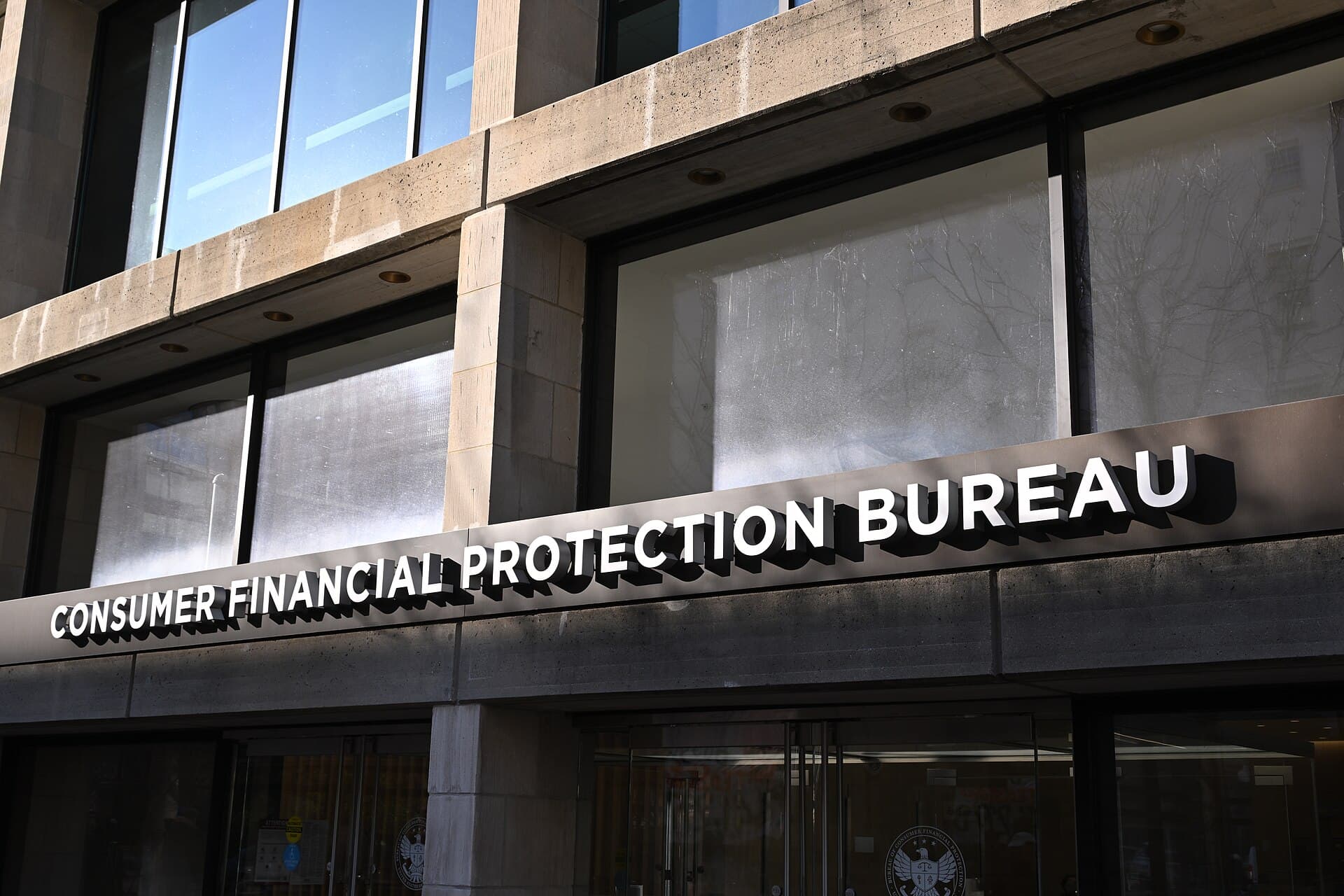
The federal warning signs are already large enough to measure. In 2024, the Consumer Financial Protection Bureau, the U.S. Department of the Treasury, the Financial Crimes Enforcement Network, the Federal Deposit Insurance Corporation and the Federal Reserve issued an interagency statement urging closer coordination among financial institutions, law enforcement and adult protective services. The agencies said elder financial exploitation can strip older adults of life savings, damage financial security and cause other harm. FinCEN’s review found 155,415 reports linked to elder financial exploitation between June 15, 2022 and June 15, 2023, involving more than $27 billion in reported suspicious activity. Another recent study put annual losses at $28.3 billion.
That makes the family meeting as important as the fraud alert. The big mistake to avoid is waiting until a parent is already confused, pressured or medically impaired before discussing who can pay bills, monitor accounts and speak to banks. AARP and caregiving guides note that help often starts gradually, with one family member taking on more of the paperwork, bill paying and account management over time. If those conversations happen early, families can decide who has authority, who has access and what safeguards should be in place before a crisis forces a rushed takeover.
The risk is not limited to strangers. The Justice Department’s Elder Justice Initiative and the National Center on Elder Abuse say exploitation can involve family members, hired caregivers, legal or financial professionals, or other trusted people. That is why families need clear agreements before memory loss, isolation or illness creates a vacuum that someone else can fill.
If money or property appears to be used improperly, AARP says to contact Adult Protective Services for the area or the National Elder Fraud Hotline. The warning from federal agencies is blunt: once capacity slips or a scam takes hold, the damage can be immediate and hard to reverse.
This article was produced by Prism’s automated news system from verified source data, official records, and press releases, then run through automated quality and moderation checks before publishing. The system is built and supervised by the people who set the standards it runs under. Read our full AI policy.
Know something we missed? Have a correction or additional information?
Submit a Tip