Archipelago ends management of six Cuba hotels over U.S. sanctions
Archipelago pulled out of six Cuba hotels, handing management back to owners as a U.S. sanctions deadline hit GAESA-linked businesses.
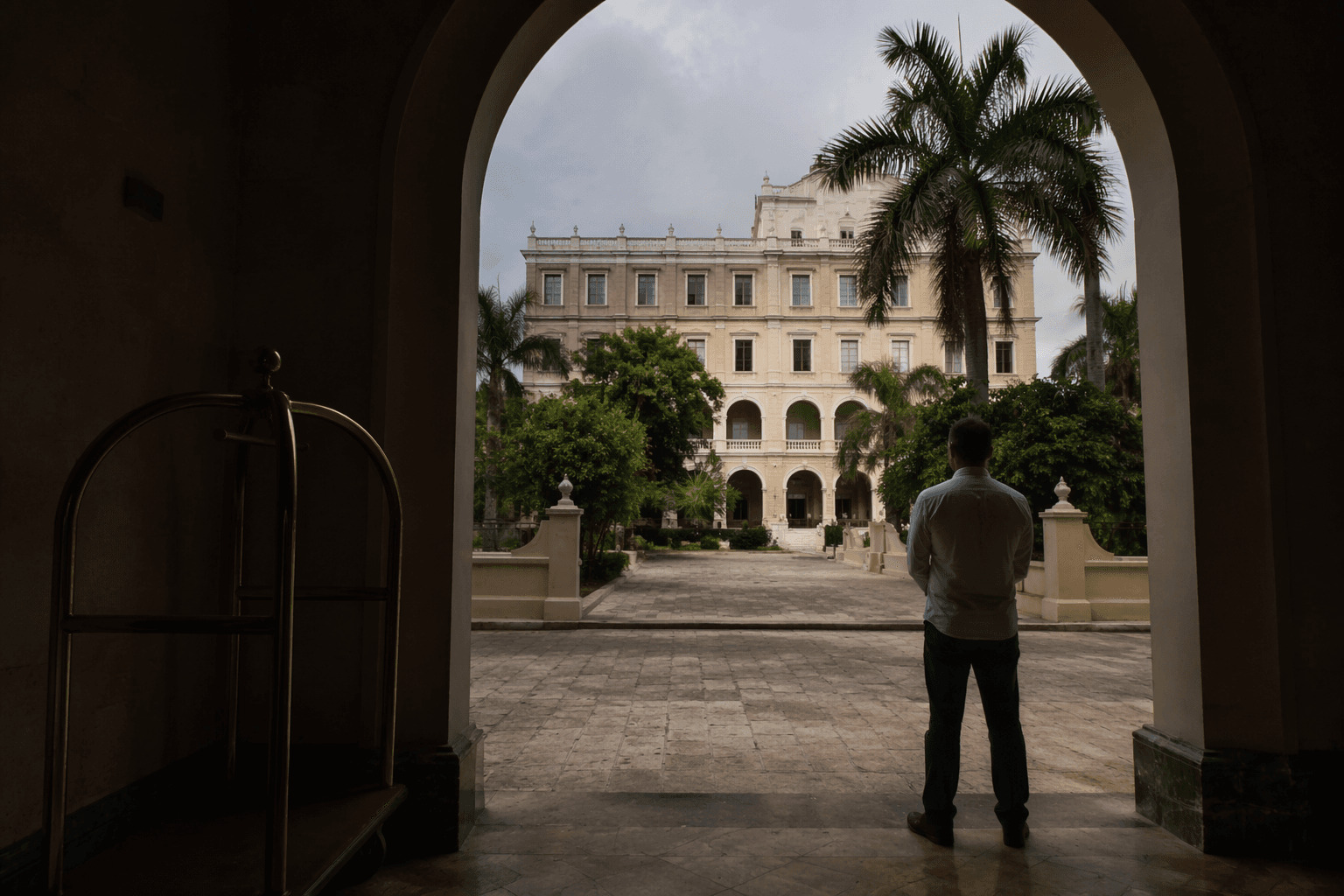
Archipelago International pulled management from six Cuba hotels, handing the properties back to their owner as a U.S. sanctions deadline on GAESA-linked businesses tightened pressure on foreign operators. The Jakarta-based company, Southeast Asia’s largest privately owned hotel management group, said the move was driven by “US sanctions requirements,” a reminder that Washington’s Cuba policy can reshape corporate decisions far beyond U.S. borders.
The properties were operated under the Aston brand and included Grand Aston Havana, Grand Aston Varadero, Grand Aston Cayo Paredón, Grand Aston Cayo Las Brujas, Aston Costa Verde and Aston Panorama. Archipelago said it was ending the “conclusion of management arrangement” for the six hotels and would fully transfer management to the owner. Sari Kusumaningrum said the company could resume operations in Cuba “if the situation improves,” leaving the door open but signaling that the present legal risk was too high to keep the portfolio in place.
The withdrawal came just ahead of a June 5 U.S. deadline tied to sanctions on GAESA, Cuba’s military-controlled conglomerate, whose tourism arm Gaviota sits at the center of many foreign hotel deals on the island. Executive Order 14404, signed by Donald Trump on May 1, established secondary sanctions for foreign companies with commercial ties to GAESA and gave operators until June 5 to cut those links. That deadline turned hotel management contracts into a compliance test, not just a business arrangement.
For Cuba, the loss of six managed hotels at once carries more than symbolic weight. Foreign chains in the country typically work either through Cuba’s tourism ministry or through Gaviota- and GAESA-linked structures, so pressure on one part of the system can quickly force changes in management even when the properties remain open. A departure can affect branding, reservation systems, staffing standards and the confidence of other foreign partners, especially in a market where tourism is one of the island’s key sources of revenue.
Archipelago’s exit followed similar moves by Meliá Hotels International, Iberostar and Blue Diamond Resorts, which together were reported to have severed ties with 89 properties. Some reports said Grand Aston Havana was already running at very low occupancy before the withdrawal, underscoring how sanctions risk, weak demand and geopolitical exposure can combine to make Cuba a harder market for international hotel brands to defend.
This article was produced by Prism’s automated news system from verified source data, official records, and press releases, then run through automated quality and moderation checks before publishing. The system is built and supervised by the people who set the standards it runs under. Read our full AI policy.
Know something we missed? Have a correction or additional information?
Submit a Tip