Old‑Money Aesthetic Decoded: Natural Fabrics, Tailoring, Timeless Neutrals
Ditch fast-fashion panic buys — the old‑money wardrobe is about natural fibres, tailoring that flatters, and a neutral palette that actually makes dressing faster and more sustainable.
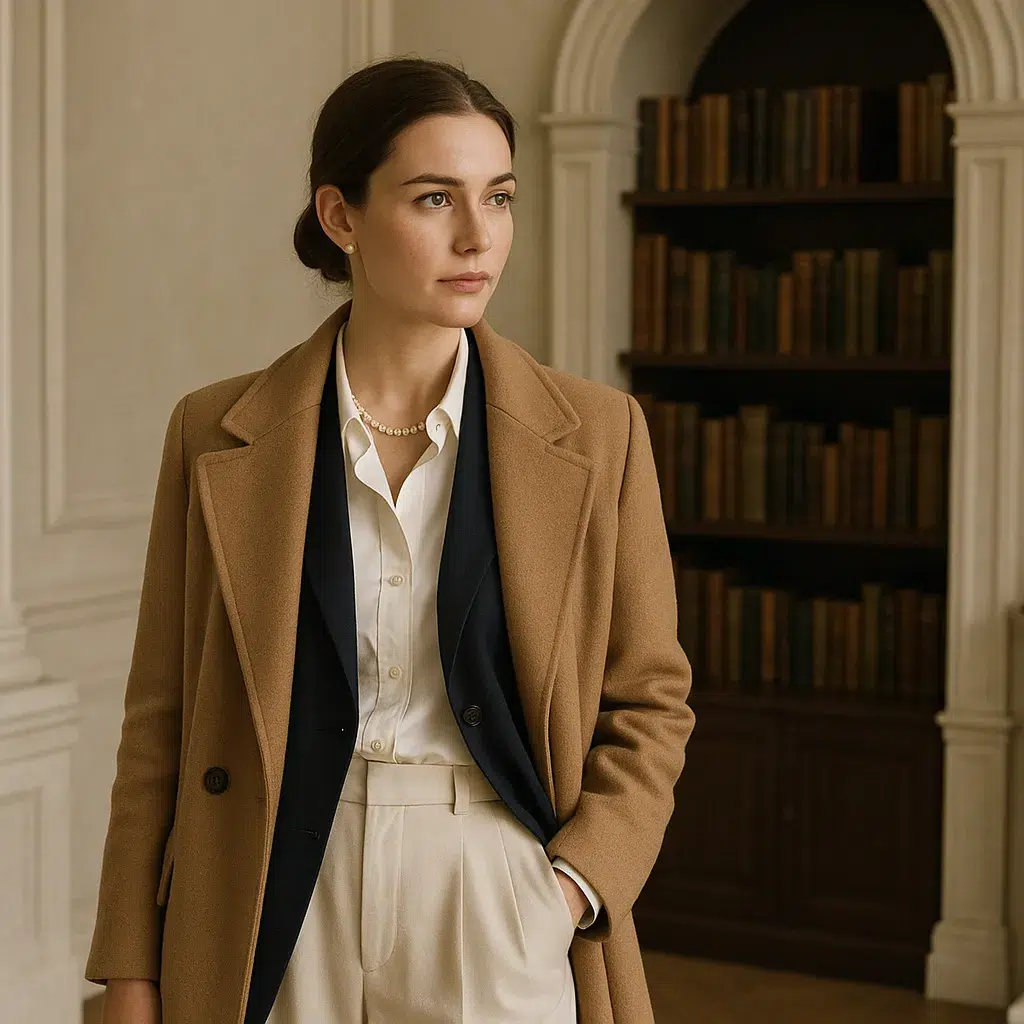
Imagine if a Nancy Meyers movie had a baby with the Ralph Lauren catalog — that line nails it: Old‑money style whispers luxury rather than shouting it. Now in 2025 the look has shifted from a TikTok label into a durable dressing strategy that rewards restraint: natural fabrics, tailored fits, and timeless neutrals. Here’s the practical playbook — what to buy, what to alter, how to brand it, and the manners that finish the look.
1. Natural fabrics
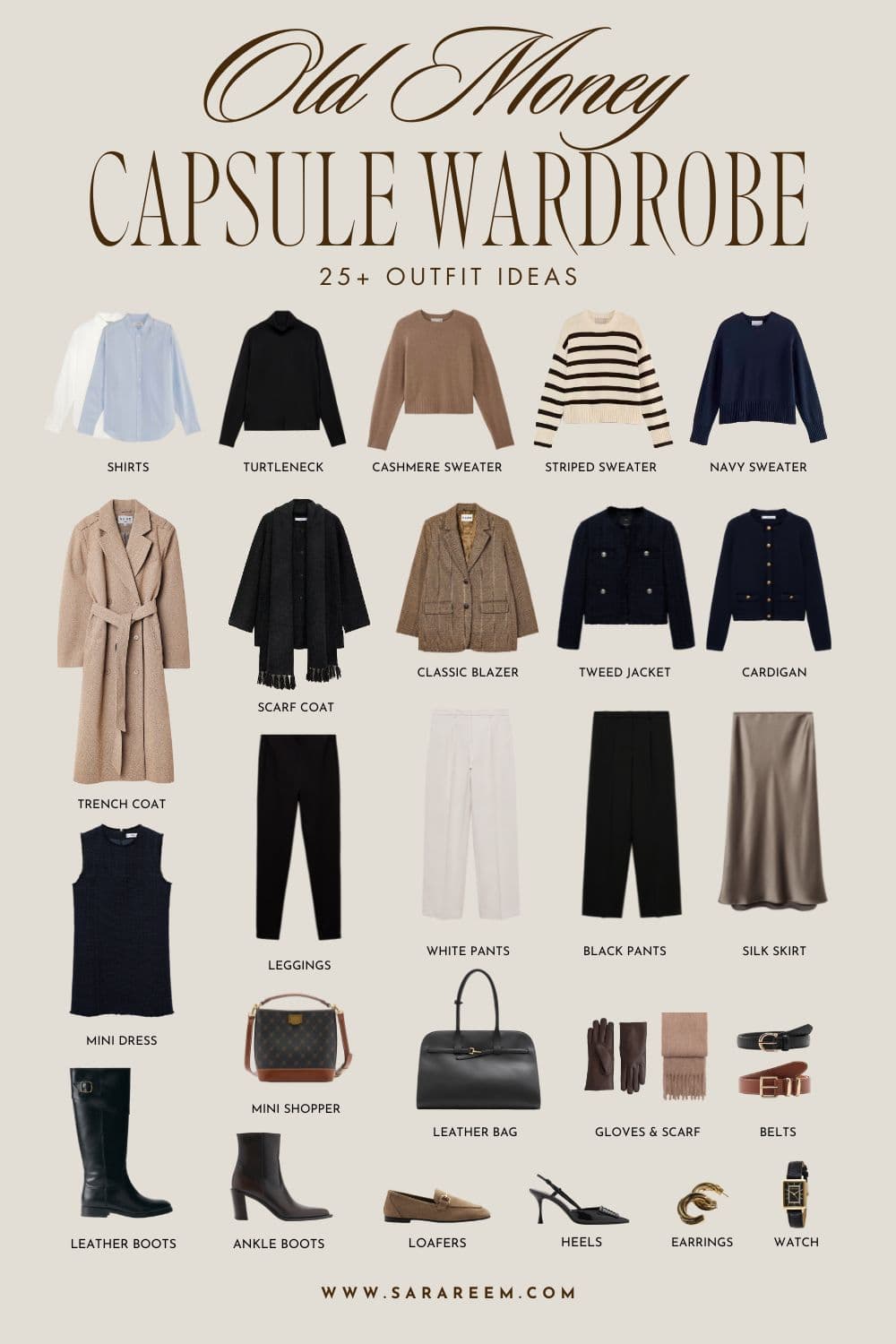
Start your closet with the fibers that read expensive without screaming. Prioritise natural fibres (wool, cashmere, silk, linen) — those exact words are the literal backbone of the aesthetic and the reason garments survive seasons and years. Wool coats hold structure; cashmere drapes like a softened cloud; silk blouses catch light without cling; linen breathes in summer while developing character over time. Cheap synthetics flatten the point of the whole look: “Don't Ignore Fabric Quality: Cheap fabrics can undermine the sophistication of your attire. Invest in natural fibers and well-made garments.”
- Props and extras: Think beyond clothes — cashmere throws, alpaca scarves, leather-bound planners and scented candles in glass vessels create the sensory world this style lives in. Leather-bound planners and stationery sets with crests and wax seals read as practiced habit, not costume.
- Vintage as value: Hunting Hermès scarves, signet rings, and pearl studs on resale platforms like The RealReal is practical — vintage pieces often have the craftsmanship and provenance this aesthetic values. Buying used here isn’t a cheat; it’s part of the strategy to “wear the same outfits for years (if not decades!)” and reduce fast‑fashion waste.
- Sustainability payoff: The Greenweddingshoes line is blunt: because the old‑money style lasts, it’s also better for sustainable shopping. This isn’t about splurging indiscriminately; it’s buying fewer, better things that age with you.
2. Tailoring that fits, not trends that fade
Make tailoring your religion. “Invest in tailoring that fits rather than follows trends” isn’t aspirational copy — it’s the functional rule that transforms off‑the‑rack into curated. Tailored pieces are supposed to sit cleanly at the shoulder, nip where you want them to nip, and lengthen rather than swallow. The-atlantic-pacific nails the essentials: start with “A Great Blazer,” oxford shirts, varsity sweaters and tennis skirts — staples that live between prep and polish.
- The six hard “don’ts” (treat these like style absolutes):
1. “Don't Overdo Branding: Steer clear of flashy logos and overt branding. The Old Money Aesthetic values understated luxury.”
2. “Don't Neglect Fit and Tailoring: Avoid wearing ill-fitting clothes, as they can detract from the elegance of your outfit.”
3. “Don't Choose Overly Trendy Pieces: Stay away from ultra-trendy fashion that clashes with the timeless nature of this aesthetic.”
4. “Don't Forget about Footwear: Always ensure your shoes are clean and in good condition. Worn-out shoes can spoil the entire look.”
5. “Don't Over Accessorize: Less is more when it comes to accessories. Choose a few high-quality pieces instead of many flashy items.”
6. “Don't Ignore Fabric Quality: Cheap fabrics can undermine the sophistication of your attire. Invest in natural fibers and well-made garments.”
- Shoes & grooming: Shoes must be maintained — scuffed loafers or cracked heels ruin the point. Grooming is part of the tailoring: a sleek low bun and neutral makeup keep the frame clean; the-atlantic-pacific allows one cinematic exception — a retro red lip when it’s truly calibrated. Impeccable grooming is non-negotiable: classic haircuts, subtle fragrances, and neat nails finish the look.
- Details that matter: Buttons, stitching, hem finishes, and lining choices read like pedigree. Small investments in hemming, shoulder pads swapped or removed, and pocket adjustments elevate ordinary pieces into “tailored to you” pieces. Vintage watches or signet rings act as punctuation marks — restrained but unmistakably chosen.
3. Timeless neutrals (and how to sell them)
The palette is the quiet spine: cream, navy, camel, and crisp white are practical anchors; Marketingartfully adds dark greens and deep blues for brand DNA, while the-atlantic-pacific allows an occasional pop — think red or emerald. The result reads rich, not loud. Original guidance even truncates to “keep palettes neutra” — that clipped phrase underscores the obsession with restraint (read it as an uncompromising push toward neutral tones).
- Branding and imagery: If you’re building a label or just curating a feed, remember the headline: “Aesthetic Marketing = Selling an Identity, Not a Product.” Visual identity should lean into serif fonts, monograms, letterpress textures, and imagery that evokes coats of arms, Ivy League banners, and heritage settings. Pair keywords — Old money aesthetic, quiet luxury, polo style, Ivy League lifestyle, traditional elegance, legacy living, soft wealth, country club vibes — with rich visuals, classical music, and heritage-feeling branding.
- Channels and formats that work: Pinterest (quiet luxury boards are booming) is the discovery engine. Instagram should be still images + editorial‑style reels; YouTube fits lifestyle vlogs, elegance routines, and long‑form storytelling. Blogs and email newsletters work when they’re thoughtful and scarce: “This customer doesn’t need constant content - they want thoughtful, high-value posts.” Use those formats to show craftsmanship, repair tips, and the “why” behind a piece.
- Lifestyle services and extensions: The aesthetic bleeds into services — financial planning, etiquette coaching, private health + wellness programs, and curated concierge services (designers, organizers, stylists, private tutors). These are less add-ons and more context: they sell the identity that clothing hints at. As Marketingartfully says bluntly: “Your product becomes the symbol of classic values, tradition, and quiet confidence. Market it that way!”
Final note — manners are part of the outfit Old‑money dressing isn’t only what hangs on the hook. Grace in communication, polished manners, discretion, and being well‑read round out the package: “Grace in Communication: Speak thoughtfully and listen attentively. Avoid gossip and engage in meaningful conversations.” Polished manners and privacy are not performative; they’re the social engineering that makes restraint credible.
This is a style strategy, not a costume. Its return is quieter closets, fewer impulse buys, and wardrobes that genuinely last. Wear fewer logos, fix what you own, invest in fabrics that breathe, and let tailoring do the talking — the rest follows.
Know something we missed? Have a correction or additional information?
Submit a Tip