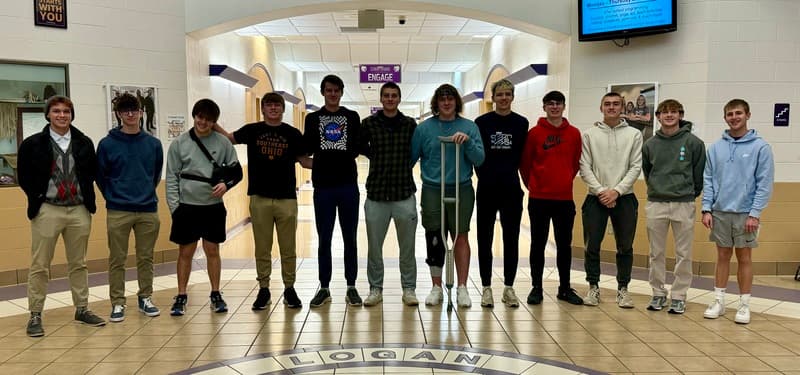
Olympic Psychologist Emily Clark Urges Process-Focused Goals for Logan County Athletes
Olympic clinical psychologist Emily Clark urged Logan County athletes to prioritize process-focused goals to reduce pressure, support mental health, and improve long-term performance.
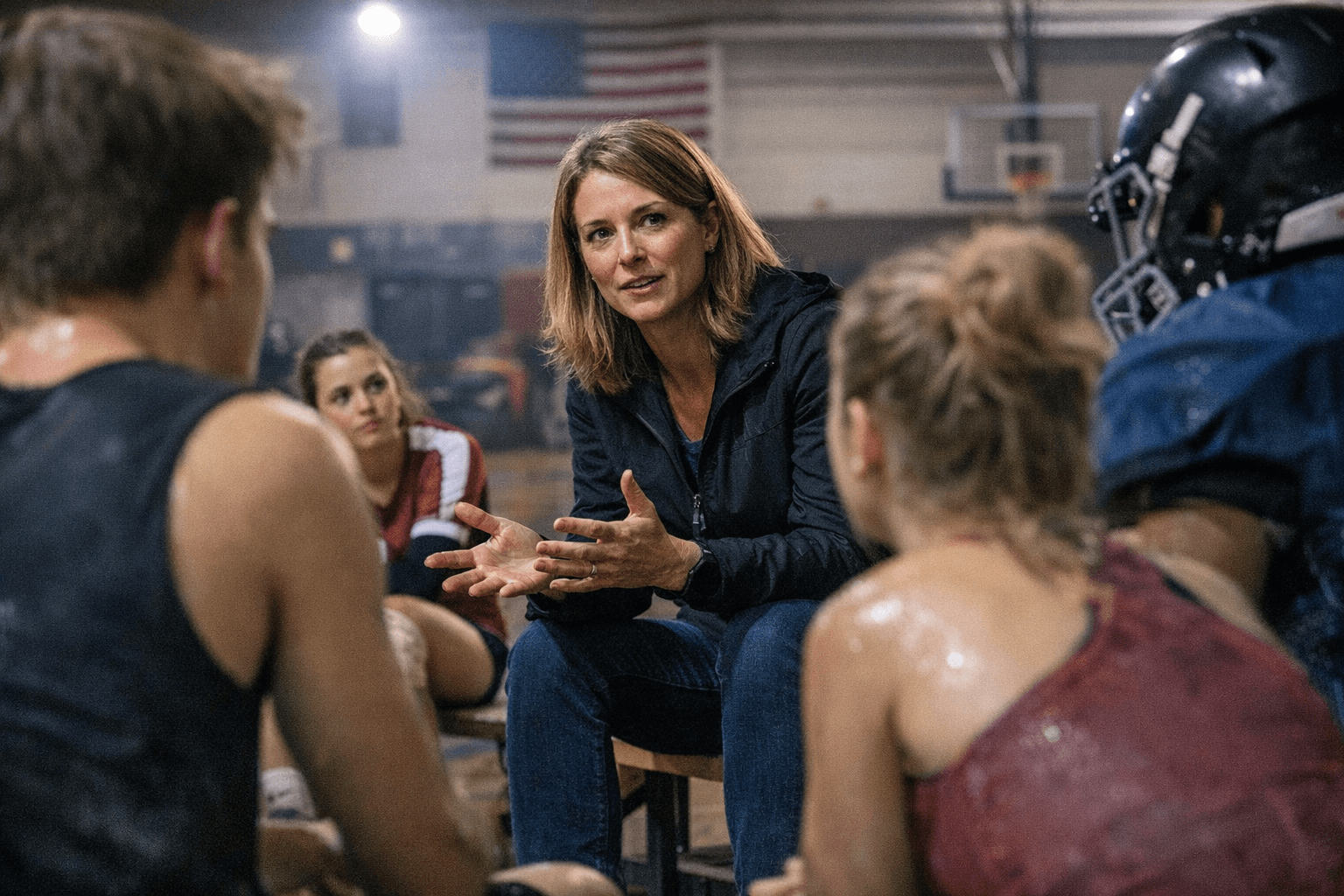
Emily Clark, a clinical psychologist with the U.S. Olympic & Paralympic Committee, urged a shift away from medal-centered thinking toward process-focused goals that young athletes, coaches and parents in Logan County can use to reduce pressure and support mental health. Her guidance, highlighted in a recent feature column, translates elite-sport strategies into practical steps for local school teams and youth programs.
Clark emphasized realistic goal-setting that targets controllable elements of performance - such as technique, sleep routines, and effort - rather than outcomes beyond an athlete’s direct control. This approach reframes success to include measurable improvements and learning, helping athletes interpret results without equating a season’s value to a single score or finish. For Logan County student athletes, that can mean celebrating better shot mechanics, consistent attendance at practice, or incremental time gains in races.
The shift has both immediate and broader public health implications. Framing athletic development around process can lower anxiety and reduce burnout by setting attainable targets and normalizing recovery from setbacks. In rural communities like Logan County, where access to sports psychology services and school-based mental health professionals can be uneven, coach-led adoption of process goals becomes a low-cost strategy to promote resilience and emotional well-being among adolescents.
Local coaches and youth program leaders can incorporate these principles into practice plans and parent communications. Simple changes - teaching athletes to set weekly process goals, offering feedback on effort and strategy, and separating performance metrics from athlete worth - can create a healthier team culture. For parents, prioritizing process-focused praise over outcome-driven celebration helps young people sustain motivation through normal ebbs and flows of competition.
Equity and access are central to how these ideas play out locally. Logan County families with limited resources face barriers such as transportation, out-of-pocket costs, and fewer extracurricular opportunities. Schools and community organizations can address these disparities by integrating mental skills training into regular practice time, using telehealth partnerships for counseling when available, and seeking modest policy changes to direct existing funding toward coach education and student supports.
As teams prepare for the coming seasons, Logan County athletic directors, coaches and parents have a practical roadmap to reduce unhealthy pressure and foster long-term development. Adopting process-focused goals does not mean lowering standards; it reframes effort and learning as wins in their own right. For local athletes, that shift could mean not only better performances but also improved mental health and a more equitable playing field across the county.
Sources:
Know something we missed? Have a correction or additional information?
Submit a Tip