Olympic Swimming Champion Steve Clark, Three-Time Gold Medalist, Dies at 82
Steve Clark won three relay golds and set nine world records, but his era prized silence over vulnerability, leaving many athletes unseen off the podium.
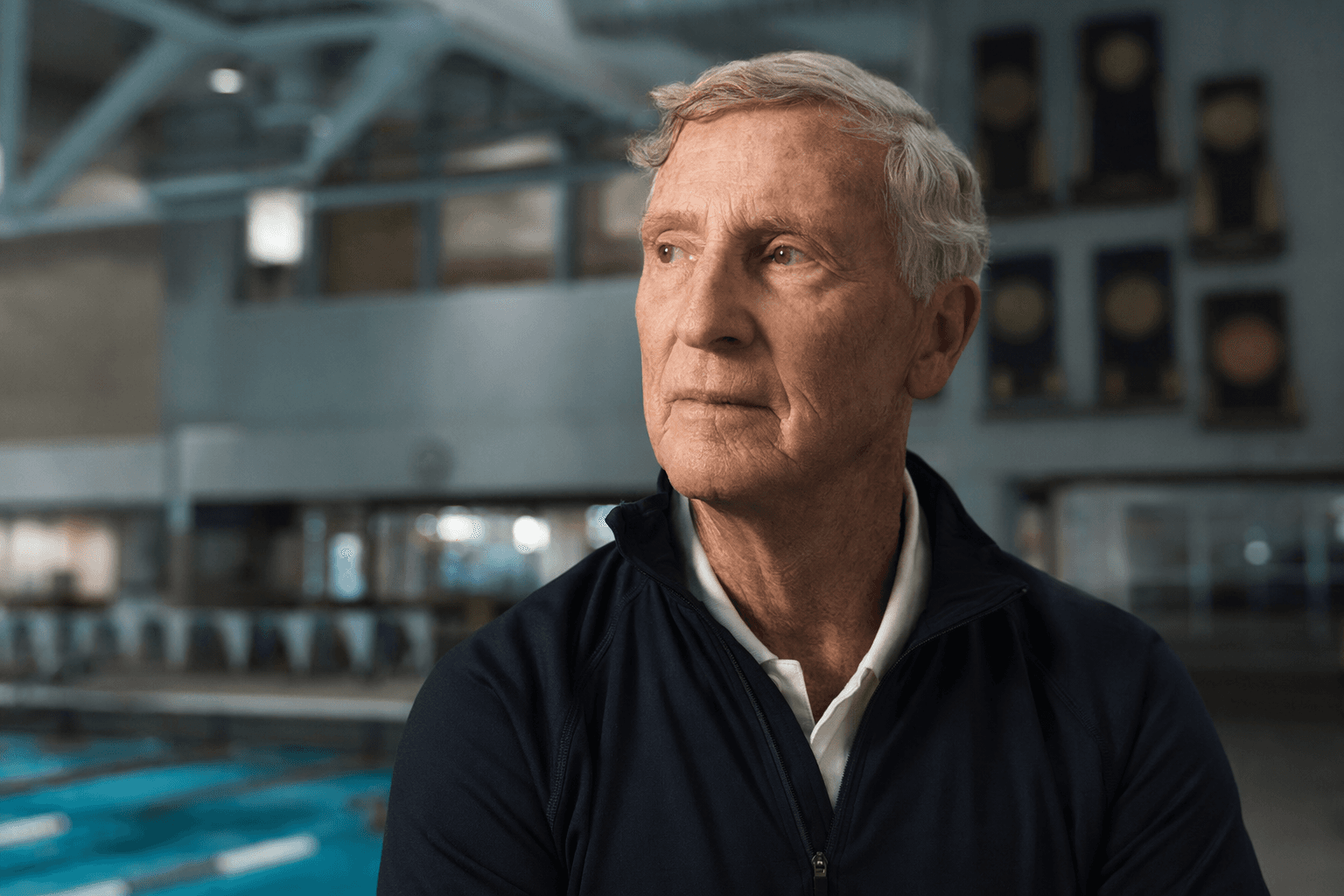
Steve Clark, the California-born swimmer who helped power the United States to relay gold in the 1960s and set nine world records, died on April 14, 2026, at 82. His career stretched from Los Altos High School to the Olympic stage, but it also reflects an older sports culture that prized stoicism and treated vulnerability as weakness.
Clark was a two-time Olympian, competing in Rome in 1960 and Tokyo in 1964. At the 1960 Rome Games, he swam in preliminaries for two gold-medal-winning American relays, including the inaugural men’s 400 medley relay, which he anchored to a world record. A later rule change allowed prelims swimmers to receive the same medals as finals swimmers, a reform that underscored how many athletes from his generation were left out of the official tally for work that helped win gold.
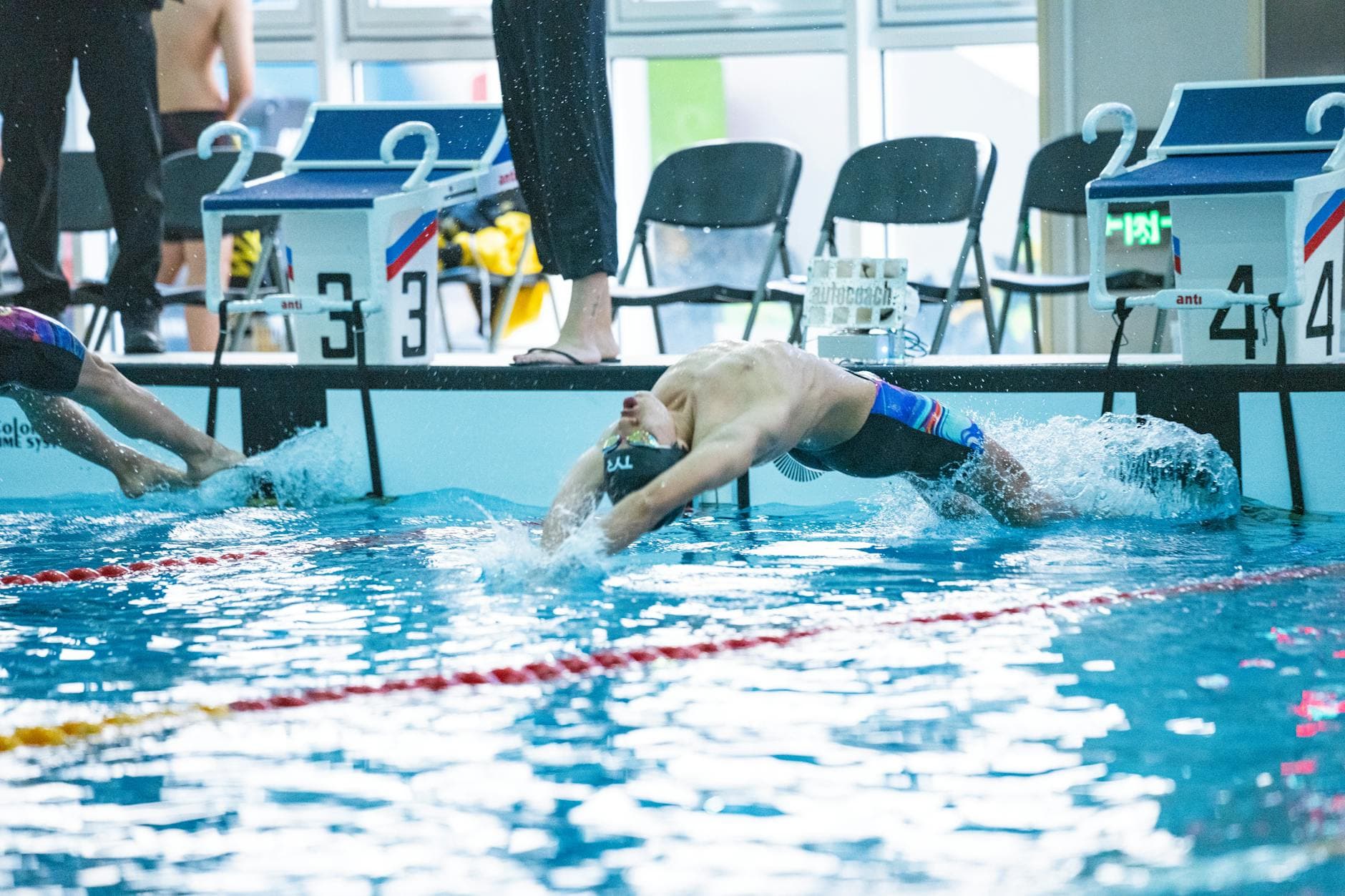
Four years later in Tokyo, Clark won three Olympic gold medals in relay events: the men’s 400 freestyle relay, 800 freestyle relay and 400 medley relay. At the U.S. Trials, he fought through shoulder tendinitis and still made the team as a relay swimmer. In the 400 free relay final, his 52.9-second leadoff leg helped set another world record for the Americans.
Clark’s speed was measured not just in medals but in records that pushed the sport forward. He set world marks in the 50-yard, 100-yard, 100-meter, 200-yard and 200-meter freestyle, becoming the first man to break 21 seconds for 50 yards, 46 seconds for 100 yards, 53 seconds for 100 meters, 1:50 for 200 yards and two minutes for 200 meters. He was a dominant short-course swimmer in an era when those achievements were often discounted compared with Olympic finals.
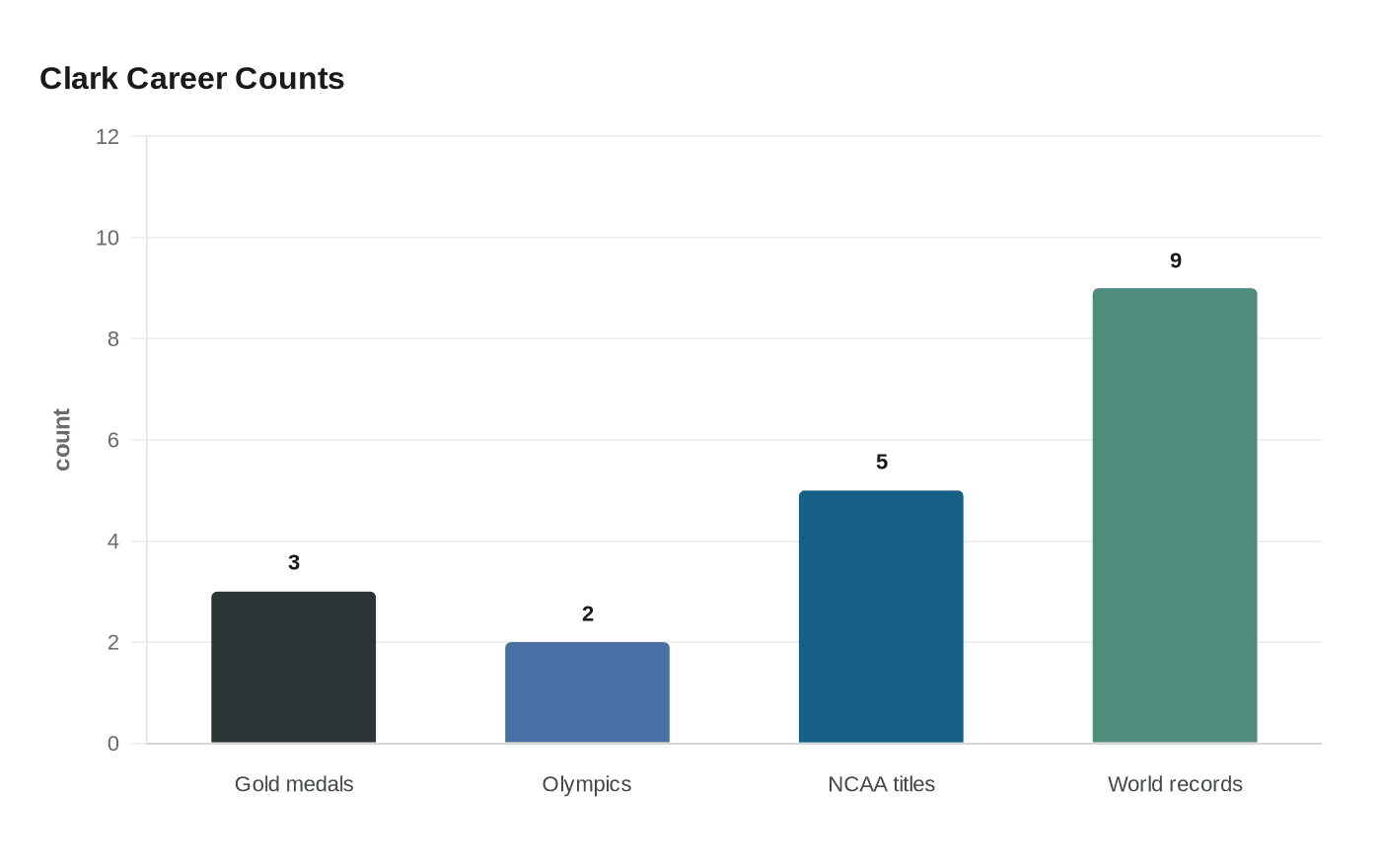
He trained with Santa Clara Swim Club under George Haines, won five NCAA titles at Yale University and went on to Harvard Law School. Clark later wrote a bestselling book on competitive swimming, adding a teacher’s voice to a résumé already crowded with championship results. For a swimmer who rose in an age of silence, his life now reads as part of a broader national shift, one in which athletes are increasingly able to name the mental strain that once stayed hidden behind performance.
This article was produced by Prism’s automated news system from verified source data, official records, and press releases, then run through automated quality and moderation checks before publishing. The system is built and supervised by the people who set the standards it runs under. Read our full AI policy.
Did this article answer your question?