One dead, 89 injured after two trains collide near Bedford
A train driver died and 89 people were injured when two East Midlands Railway services collided near Bedford, triggering a major incident and a wide rescue response.
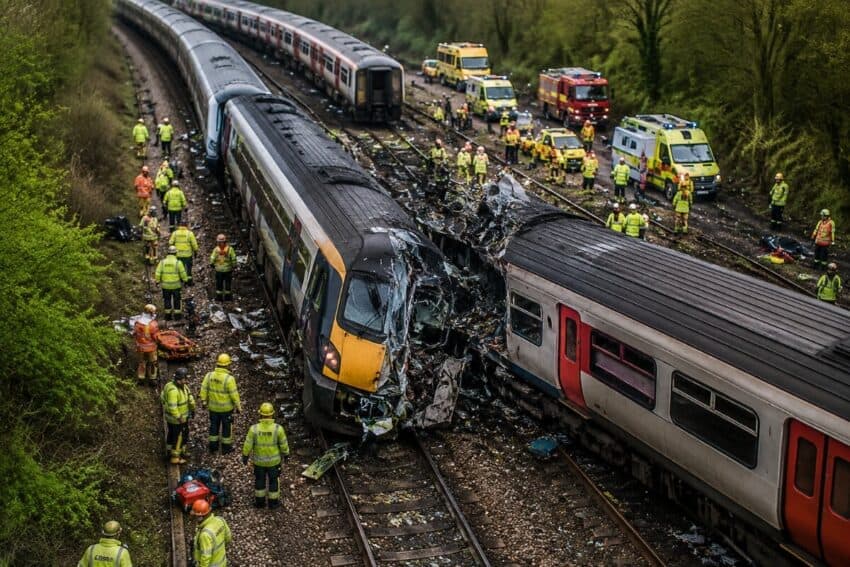
A train driver died and 89 people were injured when two East Midlands Railway services collided in Elstow, just south of Bedford, sending emergency crews racing to a scene that quickly became a major incident. The crash happened around 5:15pm on Friday evening, near the Elstow interchange between the A421 and A6, about two and a half miles south of Bedford.
British Transport Police said officers were called after reports of a collision between two trains on the line in Bedford. The force confirmed that one person died and that the collision involved two East Midlands Railway trains. The Rail Accident Investigation Branch sent inspectors to the scene to gather evidence and determine how the crash unfolded.
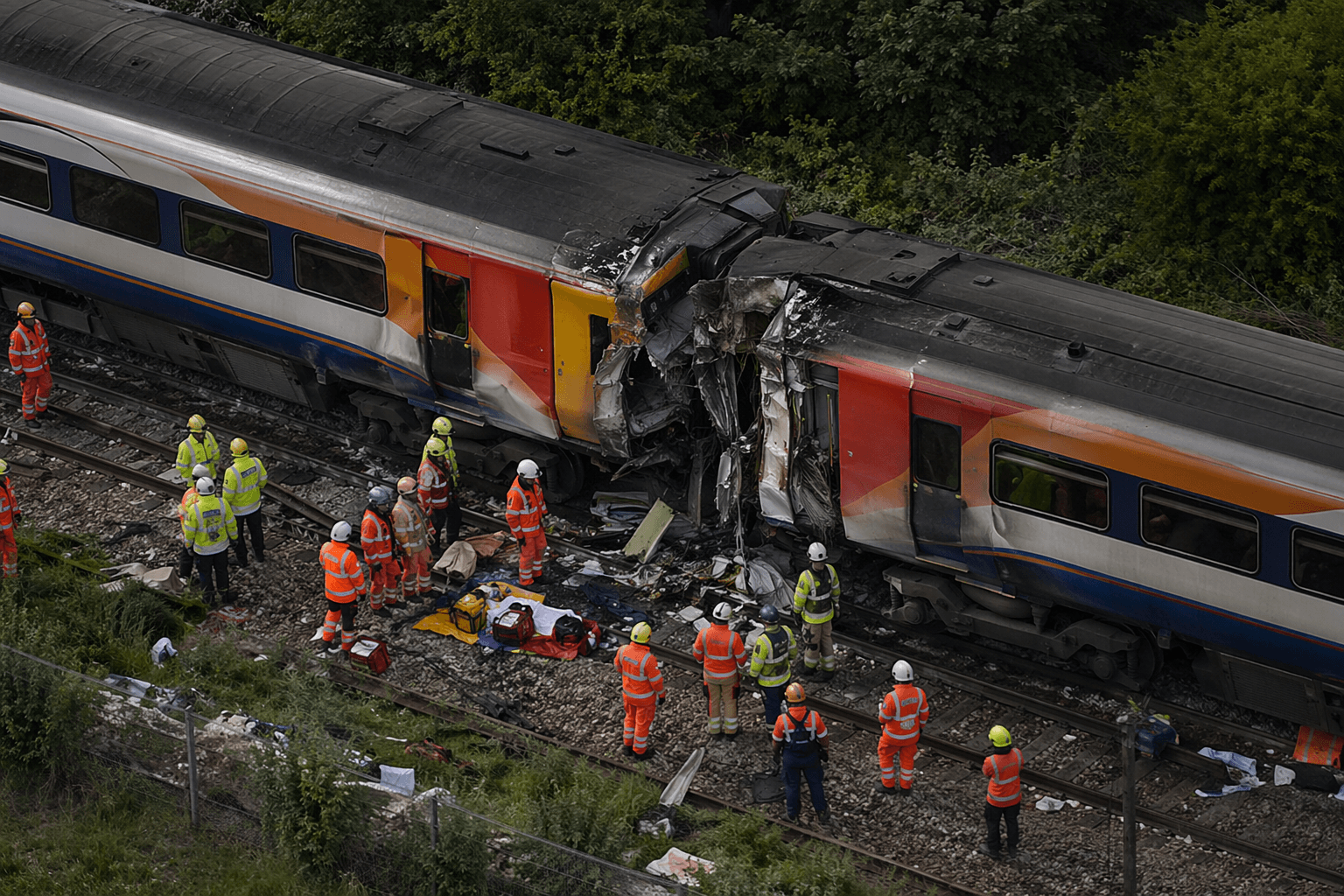
East Midlands Railway said the trains involved were the 16:40 Corby to London St Pancras service and the 15:50 Nottingham to London St Pancras service. Services to and from London St Pancras were suspended after the collision, leaving passengers facing severe disruption across the route.
The East of England Ambulance Service NHS Trust said the incident left 89 people injured in total. Of those, 11 had very serious injuries, 22 had serious injuries and 56 had minor injuries. The trust said it sent more than 20 ambulances, specialist Hazardous Area Response Teams and six air ambulances to the scene.
British Transport Police Deputy Chief Constable Stuart Cundy said a significant emergency response was under way. The RMT union said the person who died was the driver of one of the trains and a former union representative, adding a further human toll to a crash that has already drawn intense scrutiny.
The response in Bedfordshire involved police, ambulance crews and rail investigators working alongside network operators to secure the site and assess the damage. With major rail services halted and investigators on the ground, the focus now turns to how two passenger trains came to collide on one of the region’s busiest rail corridors and whether any warning signs were missed before the impact.
This article was produced by Prism’s automated news system from verified source data, official records, and press releases, then run through automated quality and moderation checks before publishing. The system is built and supervised by the people who set the standards it runs under. Read our full AI policy.
Know something we missed? Have a correction or additional information?
Submit a Tip