One Unexpected Light Transformed This Person's Life Forever
A SAD lamp used for just 30 minutes a day can reverse winter depression, a transformation backed by decades of clinical research and a landmark 2025 study.
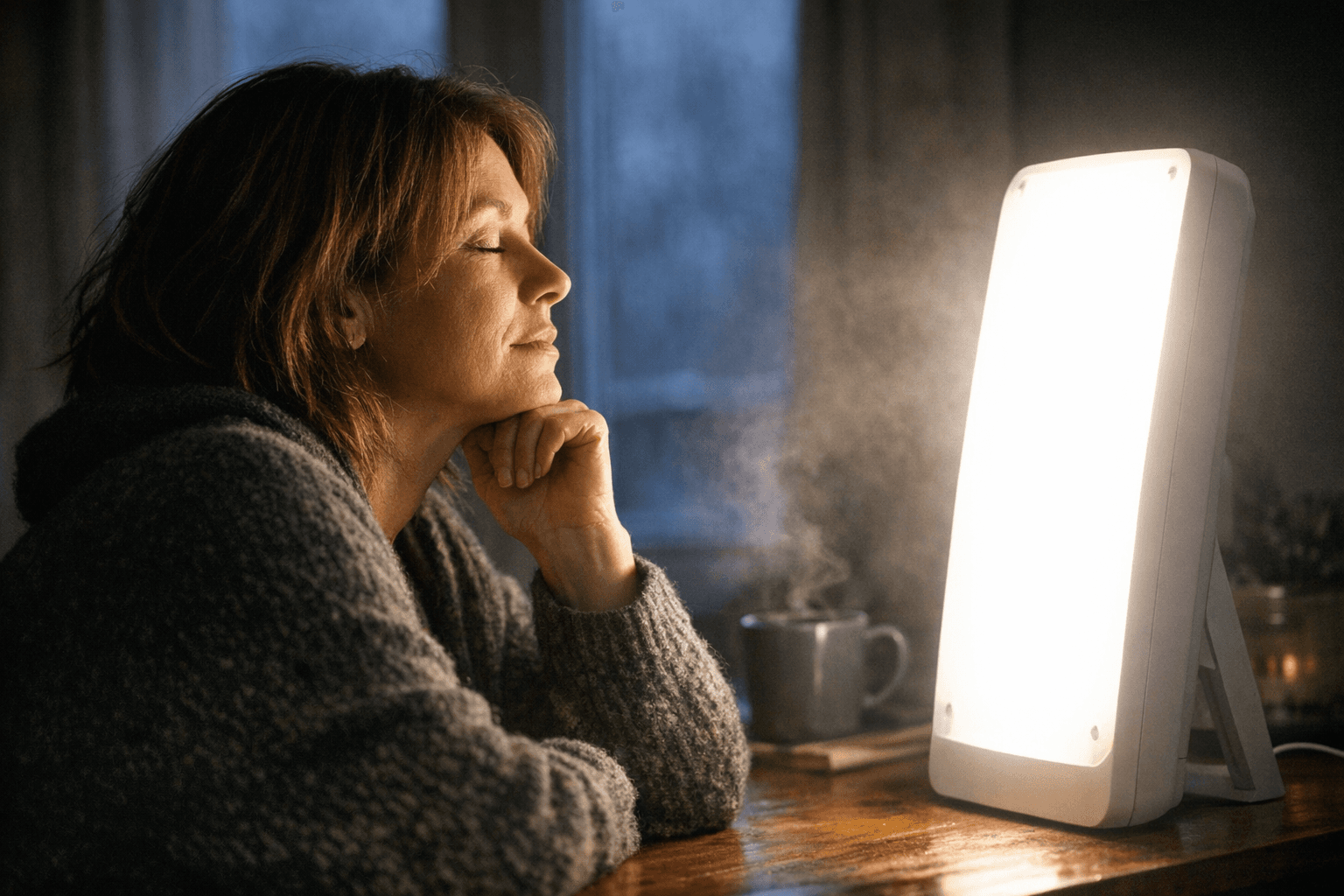
For millions of people living through shortened winter days, the arrival of a small, bright lamp on a desk or countertop is not a minor lifestyle upgrade. It is, by the account of clinicians and patients alike, a turning point.
Seasonal affective disorder, the form of depression that intensifies in fall and winter, has been treated with light therapy since the 1980s. The mechanism is direct: artificial bright light recalibrates the body's circadian rhythm and stimulates serotonin production in the brain, the same chemical pathway targeted by antidepressant medications. A 2025 study confirmed that white light is the most effective spectrum for treating SAD, offering researchers a clearer clinical standard after decades of variable practice.
The treatment itself is straightforward. Sitting near a light box for approximately 30 minutes a day, typically in the morning, produces measurable improvements in mood, energy, and sleep. Clinical evidence found that light therapy works whether applied on its own or alongside antidepressants such as fluoxetine, giving patients and physicians meaningful flexibility in how they approach care.
What makes the intervention striking is how quickly it reverses conditions that can feel permanent. Shorter days reduce sun exposure, which suppresses vitamin D synthesis and disrupts the hormonal signals that regulate sleep and wakefulness. A lamp rated at 10,000 lux, roughly equivalent to outdoor daylight, compensates for that deficit without requiring any change in geography or season.
The broader research on light and transformation extends beyond SAD. Studies of near-death experiences consistently document encounters with intense, unexpected light as catalysts for lasting personal change. Raymond Moody, whose foundational research established the modern framework for studying near-death experiences, identified the "being of light" as one of the most consistently reported and most psychologically significant elements, often described as triggering a complete reordering of priorities and fears.
Across these very different contexts, the pattern holds: light, arriving without warning, rewires something fundamental.
This article was produced by Prism’s automated news system from verified source data, official records, and press releases, then run through automated quality and moderation checks before publishing. The system is built and supervised by the people who set the standards it runs under. Read our full AI policy.
Did this article answer your question?