OPEC+ Pauses Output Hikes, Oil Prices Edge Higher
OPEC+ members agreed to maintain current production levels and pause planned increases into 2026, a move that briefly lifted crude prices as markets weighed supply discipline against demand uncertainty. The decision matters because it preserves producer revenues and tightens near term supply expectations, with implications for inflation, energy sector investment, and geopolitical risk exposure.
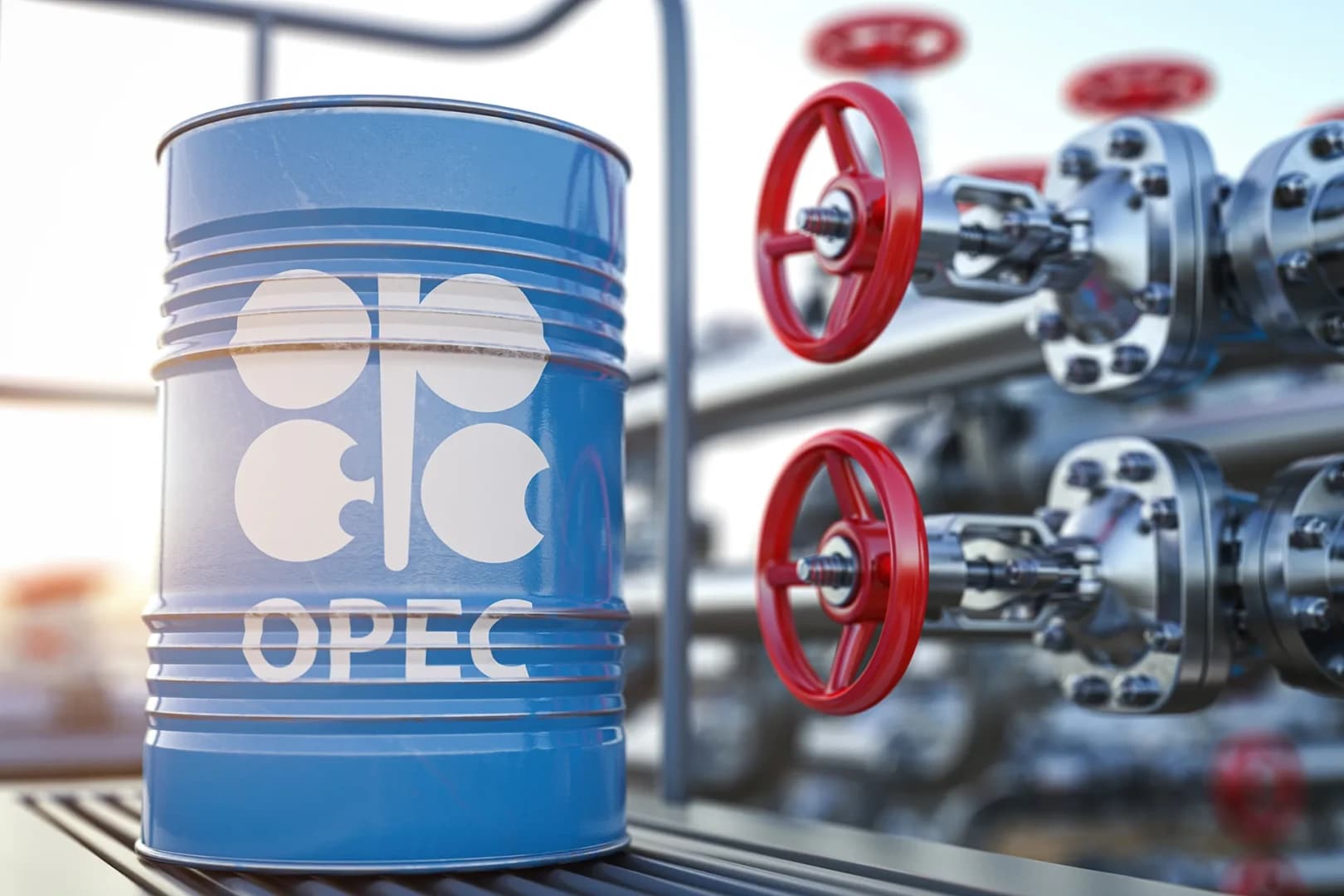
OPEC+ surprised markets at the end of November by deciding to hold production steady and shelve previously announced increases that had been scheduled to phase in through 2026. The announcement, carried in a Reuters dispatch published on November 30 and followed by market coverage into December 1 and 2, produced a modest rally as traders and policymakers reassessed the outlook for global oil balances.
By pausing increases, the producer group signaled an intent to retain tighter control over supply, a tactic aimed at supporting prices and stabilizing government revenues for oil dependent economies. Markets interpreted the move as a defensive response to a still uncertain demand trajectory, and a recognition of ongoing geopolitical risks that can disrupt output and transport corridors. Those risks include episodic outages in several producing regions and heightened tensions around key shipping routes that remain sensitive to regional conflict.
The immediate market reaction was limited, reflecting a judgment that the pause represents supply management rather than a structural shift in global production capacity. Analysts noted that shale producers in the United States and other non OPEC supply sources remain capable of responding to higher prices over time, and that demand trends in major consumers such as China, the European Union and the United States will ultimately determine the sustainability of any price move. Traders will watch weekly inventory statistics and forthcoming demand data for confirmation that the market is tightening.
For oil exporting governments, the decision buys breathing room for fiscal planning. Many producers have budget break even prices that are well above prevailing market levels, and a steady supply posture helps support revenues without provoking the sharp price swings that can depress long run demand. The pause also preserves OPEC+ flexibility; by keeping increases on ice, the group retains the option to release barrels later if inventories fail to tighten or if demand weakens.

Policy makers in importing countries face trade offs. Higher energy prices feed directly into headline inflation and can complicate central bank efforts to return inflation to target. They also raise the cost of fuel subsidies and can strain current account balances in energy importers. Governments that are still unwinding pandemic era support may find the timing awkward, particularly as fiscal space remains constrained in many economies.
Looking beyond the immediate reaction, the move underscores a longer term tension in global oil markets between producer discipline and demand evolution. The energy transition, efficiency gains and electrification are suppressing future oil consumption growth prospects, but the pace of those changes remains uneven. Until the demand picture becomes clearer, OPEC+ appears prepared to prioritize revenue stability and market influence. Investors and policy makers will be closely watching next quarter production data, inventory reports and macro indicators to judge whether the pause will be sufficient to sustain higher prices or whether it will prompt offsetting supply responses from non OPEC producers.
This article was produced by Prism’s automated news system from verified source data, official records, and press releases, then run through automated quality and moderation checks before publishing. The system is built and supervised by the people who set the standards it runs under. Read our full AI policy.
Did this article answer your question?
%3Amax_bytes(150000)%3Astrip_icc()%2FCertificate-of-deposit-2301f2164ceb4e91b100cb92aa6f868a.jpg&w=1920&q=75)