Open-ended Starbucks Workers United strike highlights understaffing, limited-hours, anti-union allegations
Starbucks Workers United’s open-ended unfair-labor-practice strike remains active, drawing attention to chronic understaffing, limited hours and alleged anti-union conduct that affect pay and benefits.
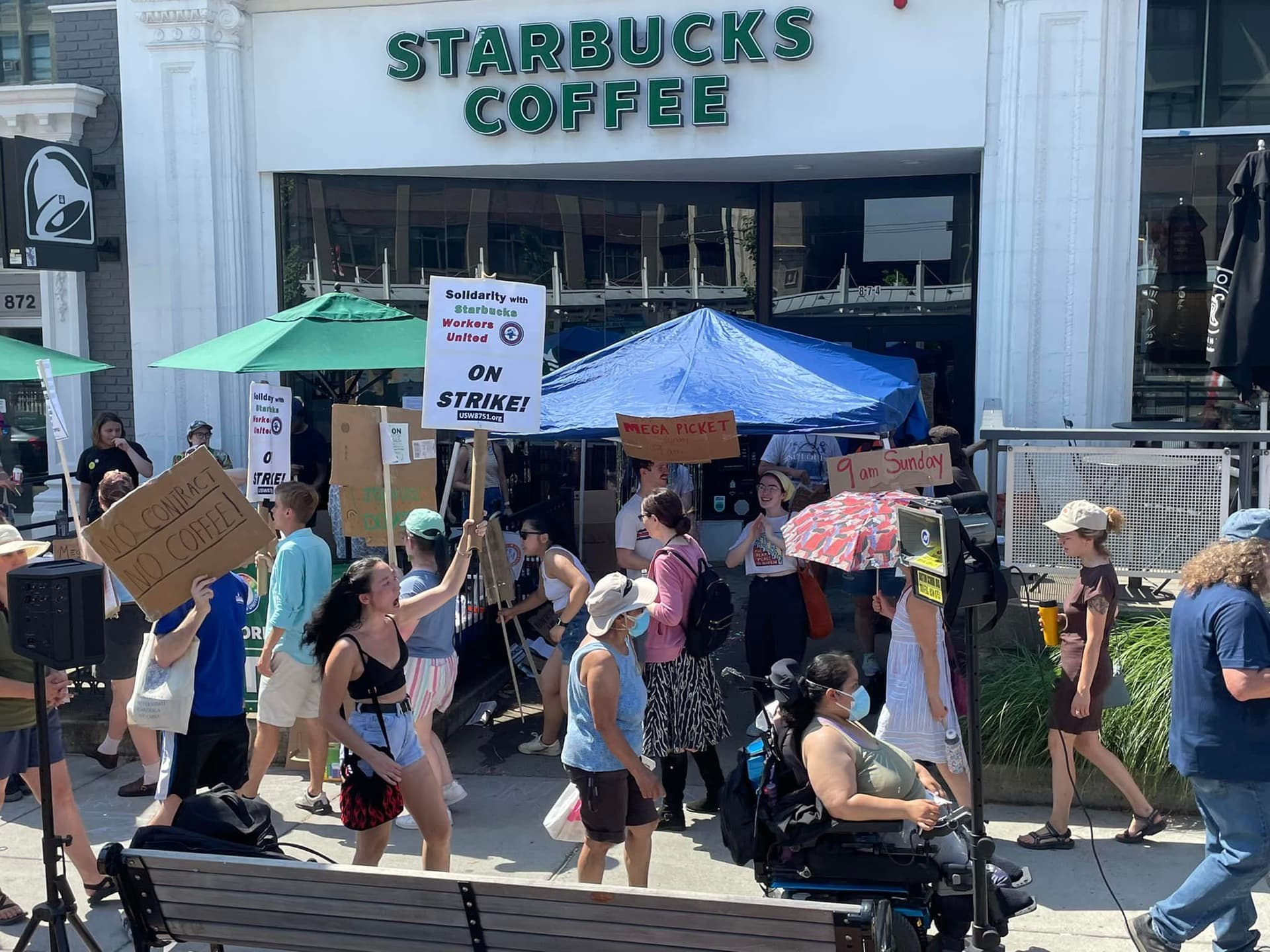
Starbucks Workers United’s open-ended unfair-labor-practice strike has kept workplace complaints center stage as baristas press the company for more staffing, steadier hours, higher pay and resolution of what the union calls “hundreds of unfair labor practice charges.” The action, launched on Nov. 13 and branded the Red Cup Rebellion, has continued into late January and remains an active organizing campaign.
The union says more than 1,000 baristas walked out on Red Cup Day and reports a membership of about 11,000 baristas at over 550 active stores. Early accounts and aggregated reporting described the initial walkouts as coming from roughly 65 stores in about 40 cities, while other coverage and the union have said the action now involves more than 120 stores. Starbucks has pushed back with a company statistic that past strikes have affected less than 1 percent of locations. The differing figures underscore how participation and scope are still unsettled.
Union leaders framed the strike as a response to more than 18 months of national framework bargaining, and the union says it launched the open-ended strike after six months in which the company refused to offer new proposals addressing core demands. SBWU lists three outstanding bargaining items: increase hours and staffing, raise pay, and resolve the pending unfair labor practice charges.
Workers on the picket lines describe persistent operational strains. Baristas and reporters report chronic understaffing, limited hours that can undercut eligibility for benefits, complex online orders that create longer tickets than cups, and last-minute calls asking staff to come in. The company’s "Back to Starbucks" initiative under CEO Brian Niccol, including a policy asking baristas to write a message on every cup, has added friction. Layla Spencer, a barista at a campus location, said, "The handwritten note policy is hard to achieve constantly. And it is hard to write super personal stuff because we do not know all of our customers that well. It is hard to know what may offend some people."
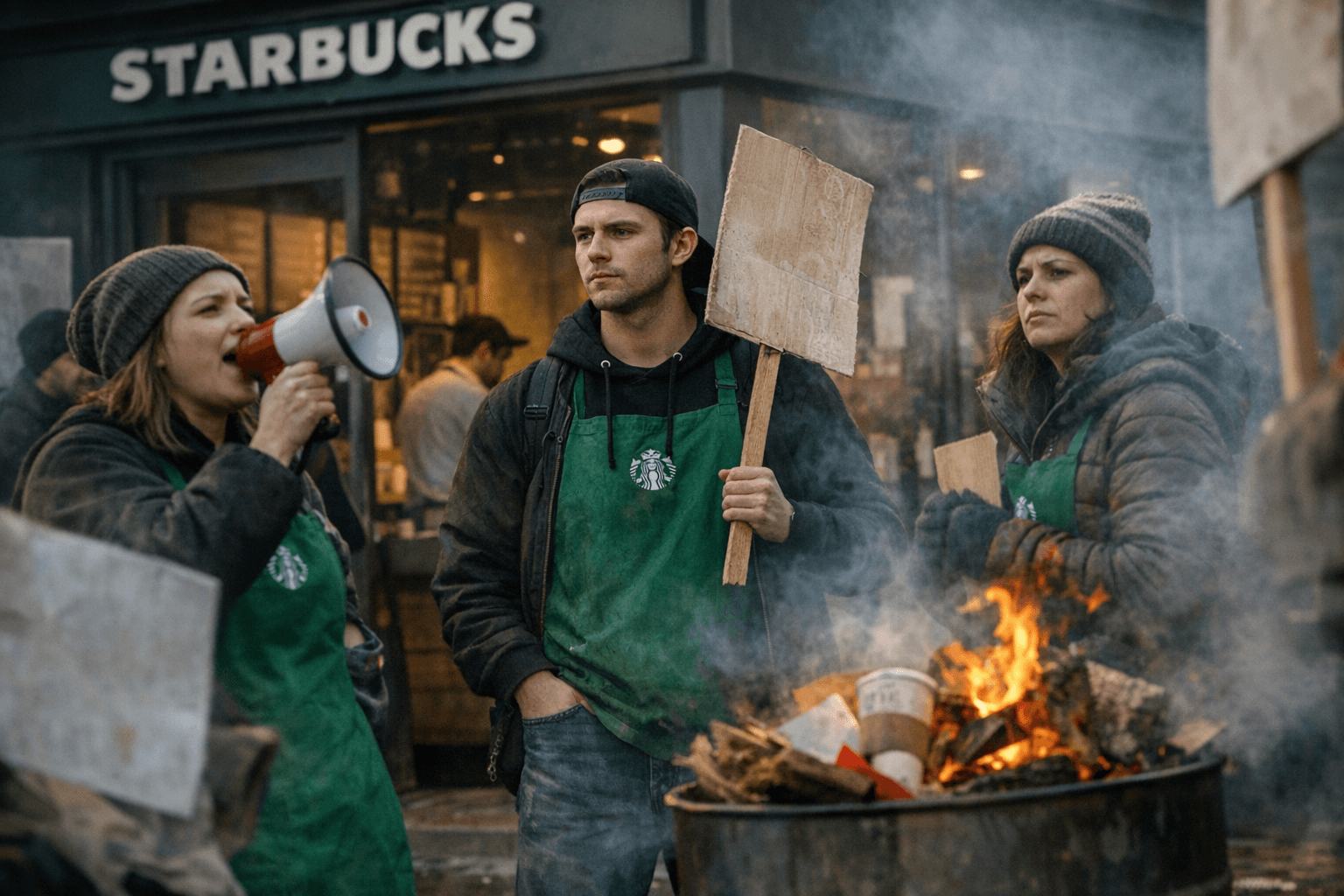
Local voices on picket lines illustrate the stakes. Vincente Martinez, a barista at the Rayzor Ranch store in Denton who has worked there about six years, said, "Jobs should be able to provide that, and anything else that anybody needs in life to be able to live adequately." Martinez added, "A lot of people are like, 'Why don’t you just quit your job?' And it’s because I like my job. I just want to make it a little better for everyone." Maria Zaki, a barista at the Highway 380 and Hinkle location, urged compromise, saying, "Starbucks could negotiate an agreed-upon contract with SBWU, with just around a day’s worth of income from all baristas," and that the company "has not been meeting SBWU for a reasonable compromise at the negotiation table." In Denton some workers have alternated between picketing and working shifts, maintaining pressure while keeping storefronts operating.
The dispute comes after a major settlement in New York City in December, when Starbucks agreed to pay about $35 million to more than 15,000 workers to resolve claims over unstable schedules and arbitrary hour cuts. The settlement and high-profile visits to picket lines have added political visibility to the labor fight.
Starbucks spokeswoman Jaci Anderson said the company was "ready to talk when the union is ready to return to negotiations" and that the company is "focused on continuing to offer the best job in retail," adding that "The facts speak for themselves." For baristas and restaurant workers watching closely, the outcome will matter for schedules, staffing and whether national bargaining yields enforceable changes. The coming weeks will show whether talks resume in earnest or the open-ended strike escalates into a longer campaign that could reshape scheduling and staffing practices across unionized stores.
This article was produced by Prism’s automated news system from verified source data, official records, and press releases, then run through automated quality and moderation checks before publishing. The system is built and supervised by the people who set the standards it runs under. Read our full AI policy.
Did this article answer your question?