OpenAI discusses giving U.S. government 5% stake in company
OpenAI has discussed giving Washington a 5% stake, a move that could make the federal government a direct shareholder in a company valued at $852 billion.

OpenAI has discussed giving the U.S. government a 5% stake in the company, a move that would put Washington inside the ownership structure of one of the world’s most valuable AI firms. At OpenAI’s March funding valuation of $852 billion, that slice would be worth about $42.6 billion, and the company has suggested other U.S. AI firms could consider similar arrangements.
Sam Altman discussed the idea with Donald Trump, Howard Lutnick and Scott Bessent, as the administration weighed whether Americans should share directly in the gains from fast-growing AI companies. Trump said in June that he was exploring ways to give the public a stake in leading AI companies, arguing that ordinary Americans may not benefit from the industry’s expected profits.
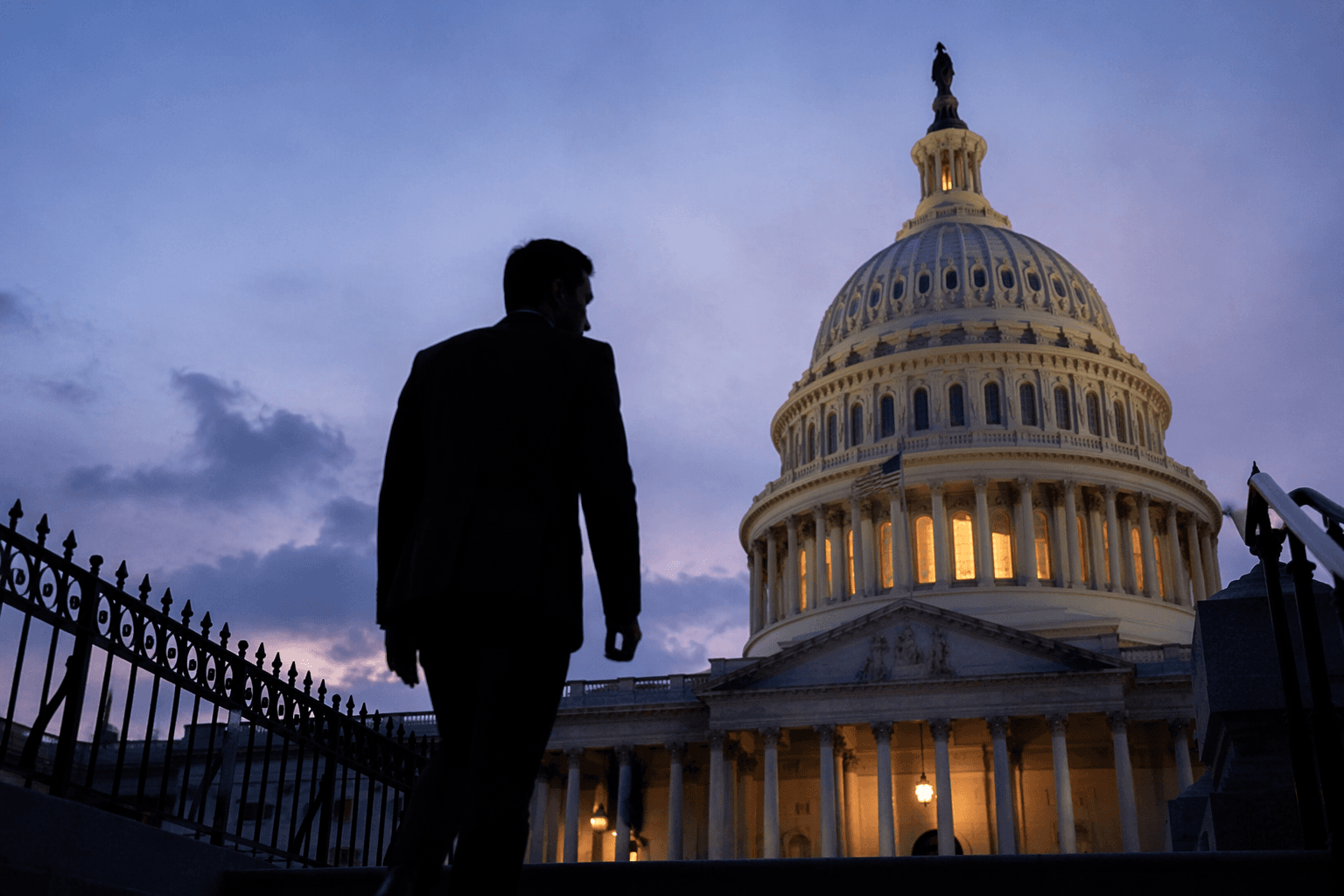
The proposal would be a sharp break from the usual federal posture toward strategic industries. Instead of standing only as regulator, buyer or gatekeeper, the government would become a financial participant in the same sector it is charged with policing. The closest domestic analogy is Alaska’s Permanent Fund, which paid a 2025 dividend of $1,000 to more than 600,000 eligible residents from oil revenue. But Alaska’s model is built on public ownership of a natural resource, not an equity stake in a private company that is still seeking capital, customers and political room to grow.
OpenAI has already put versions of that argument into writing. Its earlier industrial-policy paper called for a Public Wealth Fund that would give every citizen a stake in AI-driven economic growth, and its June 3 public policy agenda said the company wants AGI to benefit all of humanity while stressing democratization and empowerment. Anthropic has also explored a digital dividend concept tied to taxes on the AI sector, underscoring how major AI companies are trying to shape the terms of the policy debate before lawmakers do it for them.
The political context is increasingly national-security driven. The White House said in June that it was working “hand-in-hand” with industry on AI, and a June executive order focused on advanced AI innovation and security. In May, the Department of War announced agreements with eight leading AI companies to deploy their capabilities on classified networks.
That is why a government stake would matter beyond one balance sheet. It could affect future fights over chip export rules, model safety, taxes, public compensation and the distribution of profits from a technology officials increasingly treat as strategically vital. It would also raise a basic conflict question: whether Washington can stay an impartial referee once it has a direct claim on the upside.
This article was produced by Prism’s automated news system from verified source data, official records, and press releases, then run through automated quality and moderation checks before publishing. The system is built and supervised by the people who set the standards it runs under. Read our full AI policy.
Did this article answer your question?