OpenAI Foundation pledges $250 million to soften AI job disruption
OpenAI's nonprofit will put $250 million behind workers and communities facing AI disruption. The pledge arrives as labor studies show uneven strain, not a broad collapse.
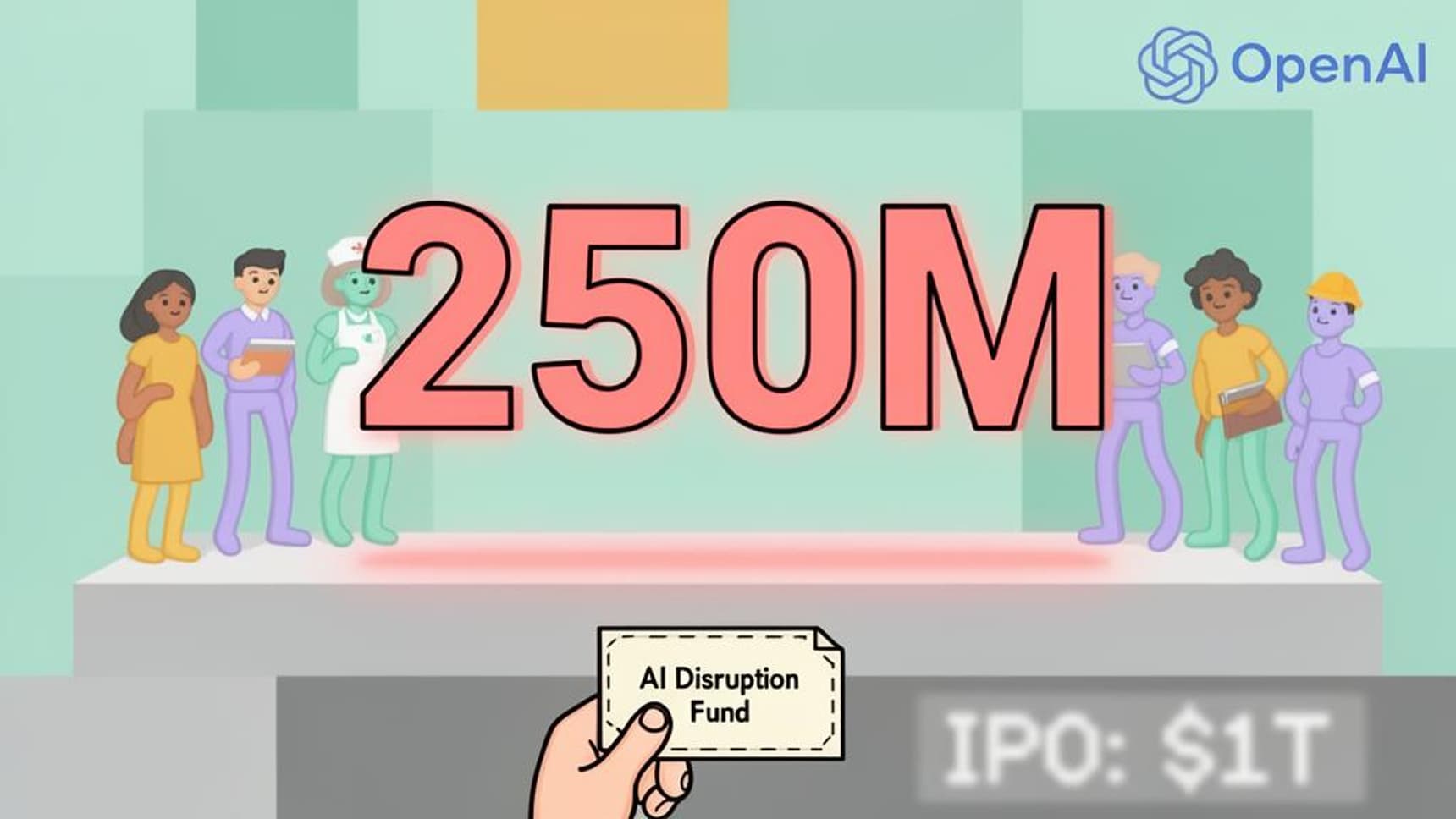
OpenAI’s nonprofit is committing an initial $250 million to blunt the social and economic shock of artificial intelligence, a signal that the company’s leadership now sees labor disruption as a policy problem, not just a technical one. The money will support grants, partnerships and direct work aimed at helping workers and local economies adjust to AI-driven change.
The foundation said the funding will go toward research on AI’s labor-market effects, near-term support for workers facing displacement and efforts to spread the technology’s gains more broadly. It also warned that the pace of change leaves a shorter window than usual to act and that getting the response wrong would be costly. That makes the pledge more than a charitable gesture. It is a test of whether OpenAI can match its rapid product rollout with a credible plan for the people most exposed to the fallout.

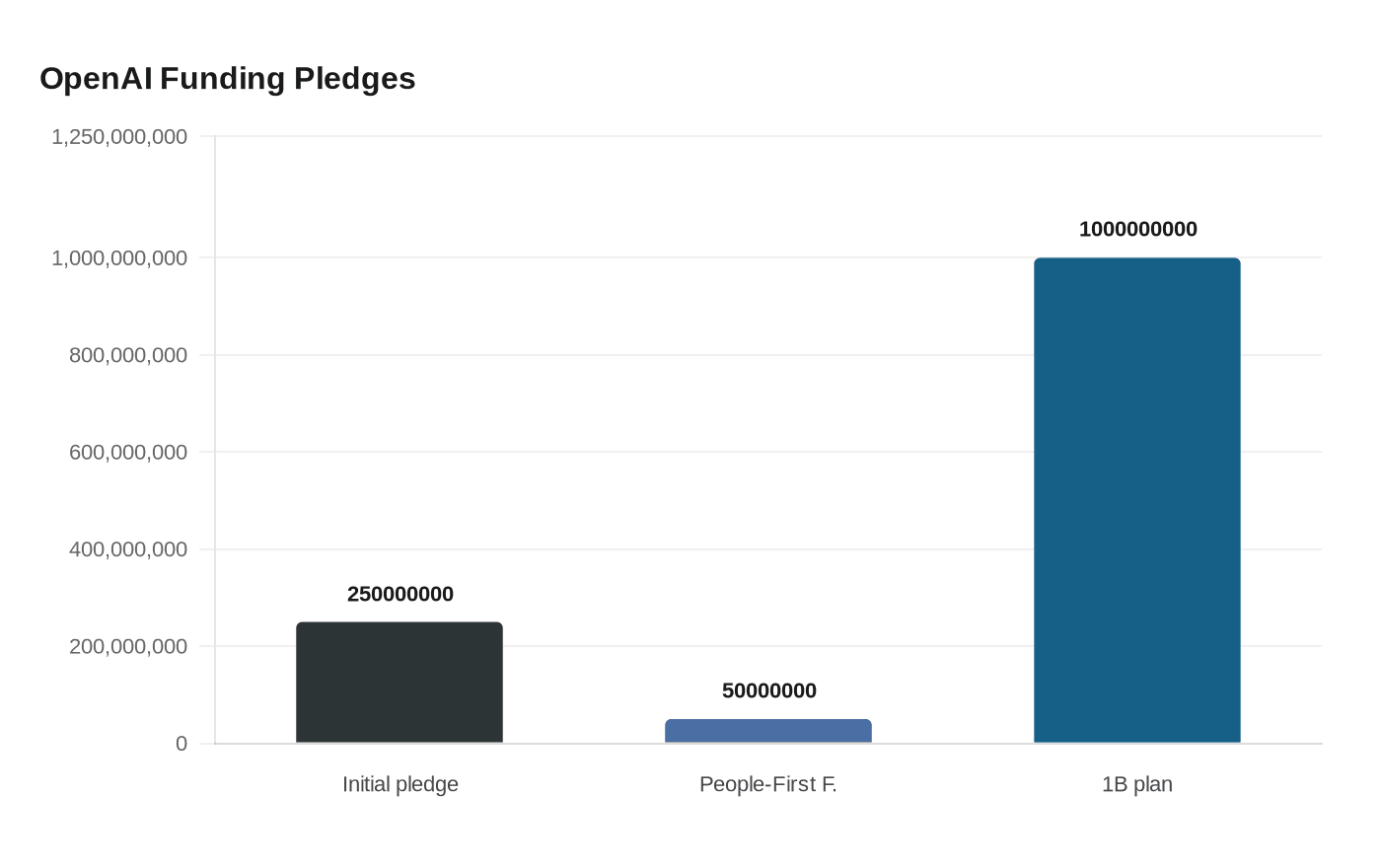
The scale matters. The $250 million commitment is the first of its kind from the foundation, but it arrives after OpenAI’s own website described an earlier 2025 People-First AI Fund commitment of $50 million. In March, OpenAI said the foundation expected to invest at least $1 billion over the following year across life sciences, curing diseases, jobs and economic impact, AI resilience and community programs. The new pledge places labor displacement at the center of that broader strategy, but it also raises the central accountability question: who decides where the money goes, and how will success be measured for workers, employers and the cities that absorb the losses?
The answer will have to be judged against the current evidence. Yale Budget Lab has said in both October 2025 and April 2026 that measures of exposure, automation and augmentation show no sign of being tied to changes in employment or unemployment at the economy-wide level. Stanford HAI’s 2026 AI Index, however, says the effects are landing unevenly, concentrated in hiring pipelines and among the youngest workers in exposed occupations. The index says employment for software developers ages 22 to 25 has fallen nearly 20% from 2024.
OpenAI chief economist Ronnie Chatterji has argued that near-term job-apocalypse predictions are overstated and said only 18% of U.S. jobs were at relatively higher risk in the near term. That framing suggests the foundation is trying to get ahead of uncertainty rather than answer a collapse already visible in the data. The harder test now is whether OpenAI can turn a $250 million pledge into measurable gains for workers, communities and the public institutions that will have to manage the next wave of AI change.
This article was produced by Prism’s automated news system from verified source data, official records, and press releases, then run through automated quality and moderation checks before publishing. The system is built and supervised by the people who set the standards it runs under. Read our full AI policy.
Know something we missed? Have a correction or additional information?
Submit a Tip

