OpenAI limits GPT-5.6 rollout after Trump administration request
OpenAI delayed GPT-5.6’s full rollout after a Trump administration request, limiting early access to vetted partners and raising a new test of who controls frontier AI.
OpenAI said it was limiting the rollout of GPT-5.6, a new model family that includes Sol, Terra and Luna, to a small group of trusted partners after a request from the Trump administration. The company said it had already previewed the models’ plans and capabilities to the U.S. government before launch and still intended to broaden access in the coming weeks.
The decision puts Washington directly into the release pipeline for one of OpenAI’s frontier systems, turning a product launch into a test case for government gatekeeping. OpenAI said, “We don’t believe this kind of government access process should become the long-term default,” adding that the arrangement keeps “the best tools from users, developers, enterprises, cyber defenders, and global partners who need them.”
OpenAI’s system card says the company is starting with a limited preview for a small group of vetted partners whose participation was shared with the government before a wider release. The company also said the plan was not to hold the model back indefinitely, but to move toward general availability soon. In public comments tied to GPT-5.6, OpenAI drew a line between temporary caution and a permanent policy, arguing that broad access remains the goal even as the company accepts an early-stage government request.
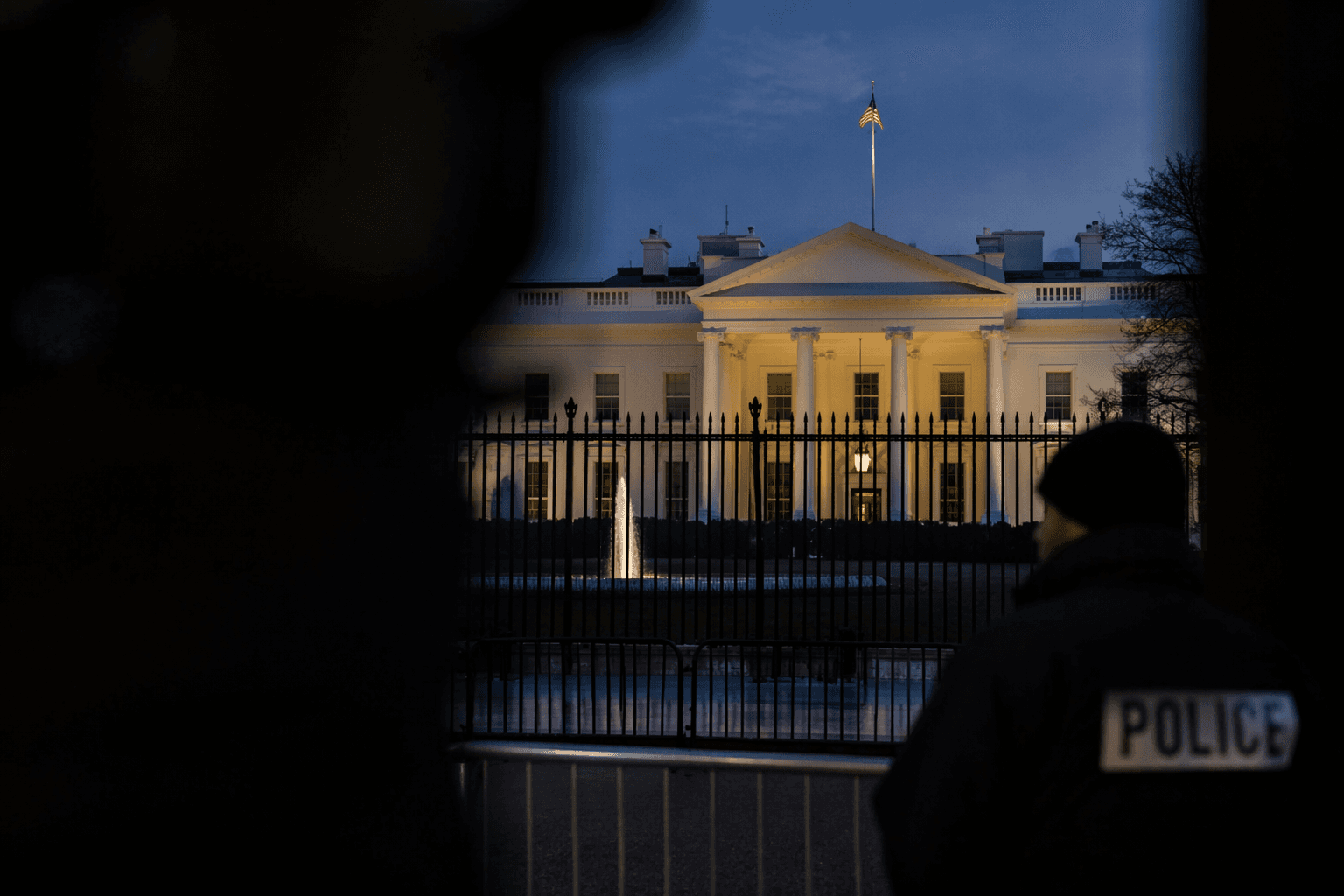
The move adds to a more interventionist approach in Washington toward advanced AI systems. The White House request, made in consultation with the Office of Science and Technology Policy and the Office of the National Cyber Director, came as the government has taken a more hands-on role in frontier-model oversight. Earlier in June, Anthropic said a U.S. export-control directive forced it to suspend access to its Fable 5 and Mythos 5 models for foreign nationals, and the company later said one of its models identified vulnerabilities in highly sensitive U.S. government systems during testing.

OpenAI has been building its own trust-based access model for security work through Trusted Access for Cyber, which it says is meant to give verified defenders access to more capable models with stronger safeguards. The company said in April that it was scaling that program to thousands of verified individual defenders and hundreds of teams, a sign that the race over frontier AI access is now being shaped by security vetting as much as by product demand.
This article was produced by Prism’s automated news system from verified source data, official records, and press releases, then run through automated quality and moderation checks before publishing. The system is built and supervised by the people who set the standards it runs under. Read our full AI policy.
Know something we missed? Have a correction or additional information?
Submit a Tip