OpenAI picks up Pentagon contract, sparking governance crisis over AI-government ties
OpenAI accepted a Pentagon contract Anthropic rejected, prompting Sam Altman to field questions on X and raising urgent ethical and oversight concerns.
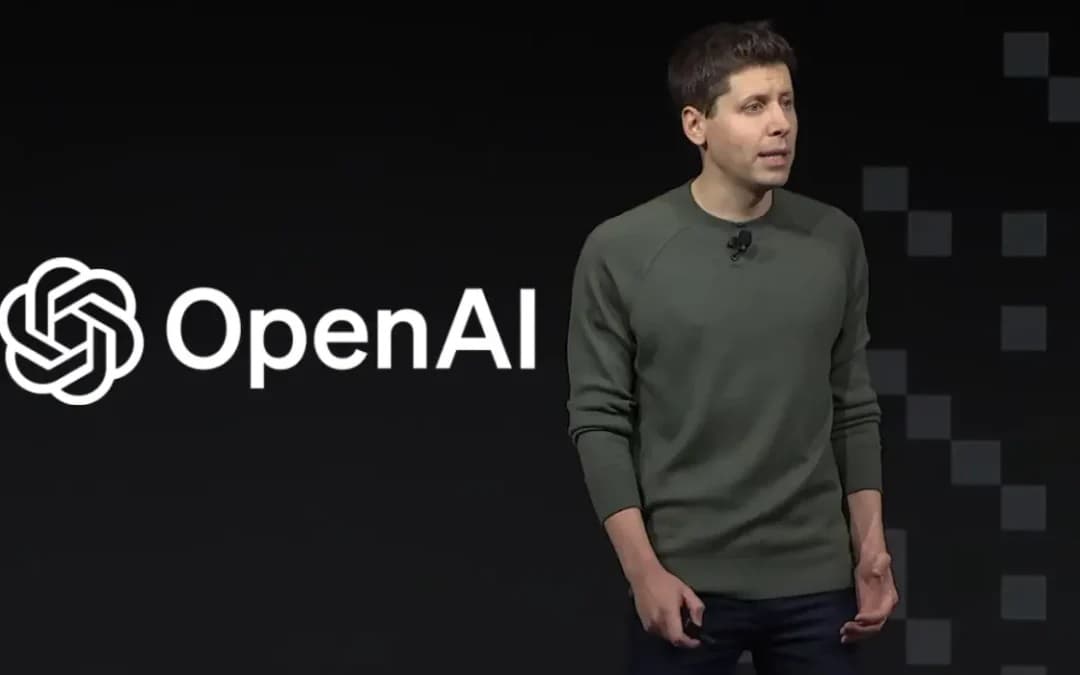
OpenAI picked up a Pentagon contract that Anthropic had just walked away from, and CEO Sam Altman answered a public Q&A on X around 7 p.m. Saturday as the company faced intense scrutiny over whether its technology could be used for mass surveillance or automated killing. The move crystallized a debate about how commercial AI firms should work with the U.S. government and exposed a lack of clear rules or institutional readiness on both sides.
Around 7 p.m., the OpenAI CEO announced he would be fielding questions publicly on X, as a way of demystifying his company’s decision to pick up the Pentagon contract that Anthropic had just walked away from. The public session produced a torrent of ethical and operational questions, with many users asking whether OpenAI would agree to systems that enable mass surveillance or automated weapons, precisely the activities Anthropic said it had ruled out in its negotiations.
As OpenAI transitions from a wildly successful consumer startup into a piece of national security infrastructure, the company seems unequipped to manage its new responsibilities. That assessment reflects the rapid escalation from consumer products to services and partnerships that intersect directly with defense priorities, procurement systems, and classified workflows. The shift demands legal safeguards, engineering changes, compliance workflows, and public transparency that many startups have not had to build.
Altman’s public posture in the Q&A underscored the tension. Altman typically punted to the public sector, saying it wasn’t his role to set national policy. That response echoes a broader uncertainty about where corporate responsibility ends and government mandate begins. It also highlights the limits of a communications playbook that once served OpenAI well: a high-profile CEO who responds on social media, promises transparency, and appeals to lawmakers and investors. Less than three years later, that approach is no longer tenable.
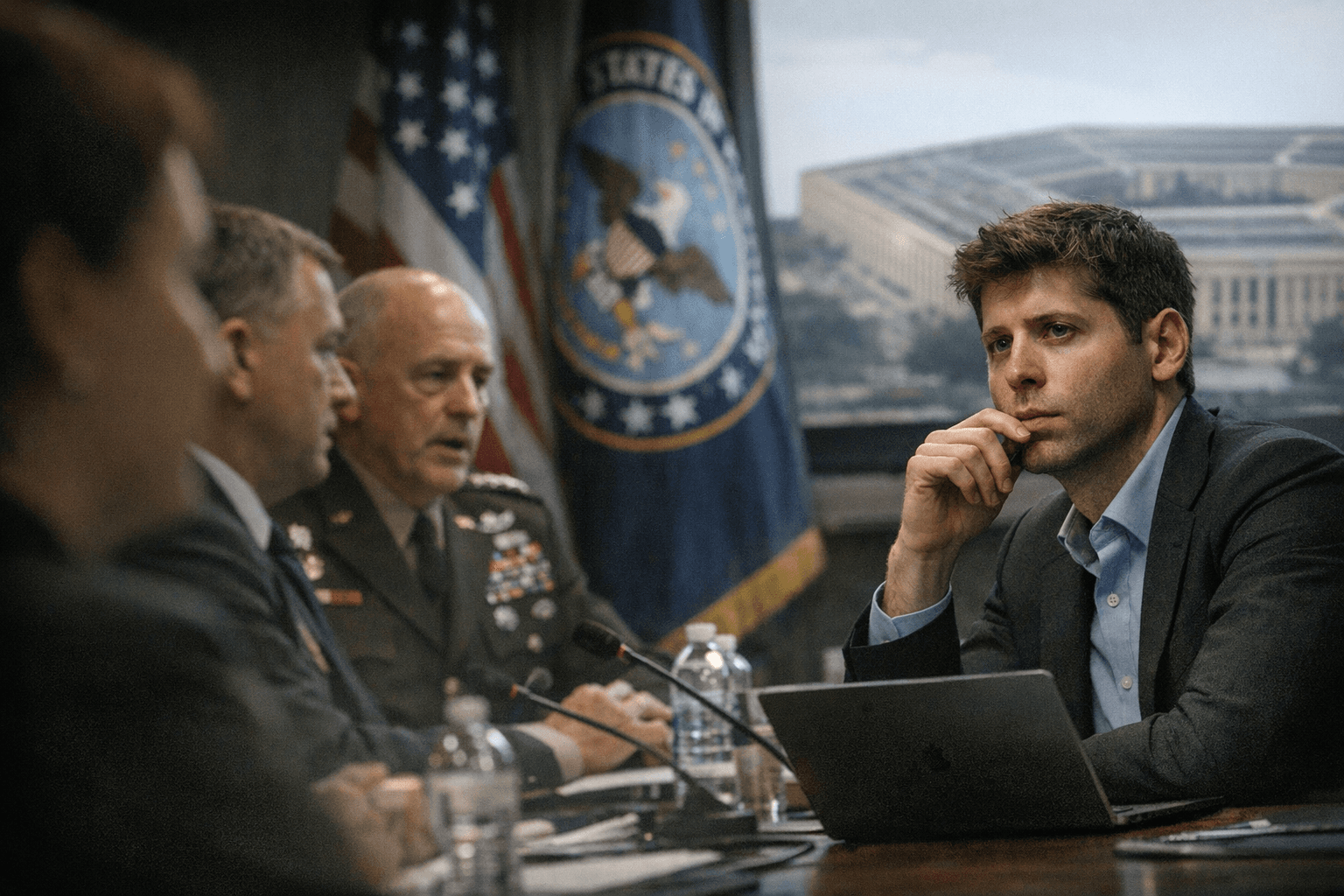
The internal and external pressures on OpenAI are converging. The company is already under intense pressure from employees to maintain some semblance of a red line. At the same time, right-wing media will be on alert for any sign of OpenAI being a less-then-staunch political ally. In the middle of everything is the Trump administration, doing its best to make the situation as difficult as possible. Those forces make it hard for the company to adopt a coherent, long-term posture toward defense work without alienating staff, investors, regulators, or parts of the public.
Observers warn that the puzzle goes beyond corporate culture. AI is so obviously powerful and the capital needs are so intense that it’s impossible to avoid a more serious engagement with the government. The surprise is how unprepared both sides seem to be for it. Practical questions remain unanswered: what are the contract’s terms, how will OpenAI limit or audit downstream use, what safeguards will the Pentagon require, and how will Congress and regulators assert oversight?
The episode makes clear that industry and government need concrete mechanisms for negotiation, transparency, and enforcement before more such contracts proceed. Without clearer guardrails, the choices of a handful of companies will continue to set national-security trajectories, with consequences for civil liberties, battlefield ethics, and public trust.
Know something we missed? Have a correction or additional information?
Submit a Tip