OpenAI reportedly teams with Qualcomm and MediaTek on AI-first smartphone
OpenAI is said to be building an AI-first phone for 2028 mass production, with Qualcomm, MediaTek and Luxshare inside the stack. The bet is that one assistant can sit above apps.
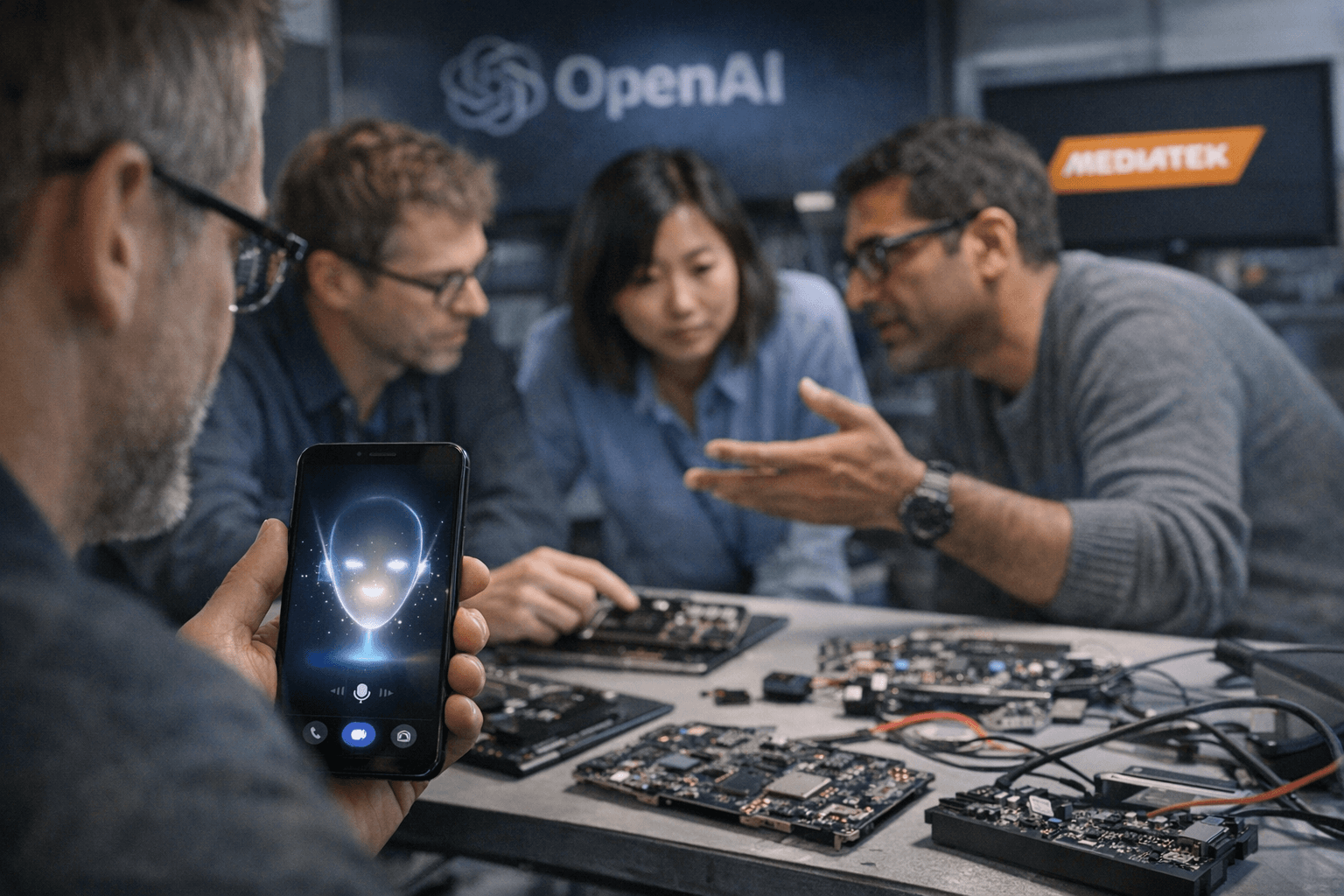
OpenAI is moving closer to a device that could challenge the app-store model itself, not just another phone. Ming-Chi Kuo said the company is working with Qualcomm and MediaTek on smartphone processors and has tapped China’s Luxshare as the exclusive system design and manufacturing partner for an AI-first handset that could enter mass production in 2028.
The strategy points to a deeper play than hardware branding. Kuo said OpenAI would need control of both the operating system and the device itself to deliver a full AI agent service, a design that would place one assistant layer between users and the apps they now open one by one. That model could make everyday tasks faster and more seamless, but it would also concentrate more power in a single platform, with bigger stakes for privacy, data access and consumer choice.
The market reaction underscored how seriously investors took the prospect. Qualcomm shares jumped 13% in premarket trading after the report. The chipmaker’s role would be central if OpenAI proceeds with a phone designed around AI inference, not just conventional mobile computing.
OpenAI has been building toward this for some time. The company acquired Jony Ive’s startup io Products in May 2025 for $6.5 billion, bringing the former Apple designer into its hardware push. In November 2025, OpenAI said it had completed its first hardware prototypes, and Ive said the company expected to reveal its device in two years or less. Sam Altman has described the planned product as aiming for a calmer experience than a smartphone, with the ability to handle long-running tasks and decide when to alert the user.
That history matters because the earlier device OpenAI discussed was not a smartphone at all. Altman called it a “third core device” alongside phones and laptops, a concept that hinted at a new category rather than a direct challenge to Apple and Samsung. A handset would be a more aggressive bet, putting OpenAI squarely against the two companies that together command about 40% of the global smartphone market.
The broader lesson is that OpenAI is not just chasing another consumer gadget. It is testing whether an AI agent can become the primary interface to digital life, pulling value away from individual apps and toward the assistant that chooses, schedules and acts on a user’s behalf. That promise is easy to sell. The harder question is how much control consumers would surrender if the assistant becomes the platform.
This article was produced by Prism’s automated news system from verified source data, official records, and press releases, then run through automated quality and moderation checks before publishing. The system is built and supervised by the people who set the standards it runs under. Read our full AI policy.
Did this article answer your question?