OPM rule would speed federal mass layoffs and shift appeals to agency control
OPM proposes prioritizing recent performance ratings and moving RIF appeals to OPM, a change critics say could hasten layoffs and weaken independent protections for federal workers.
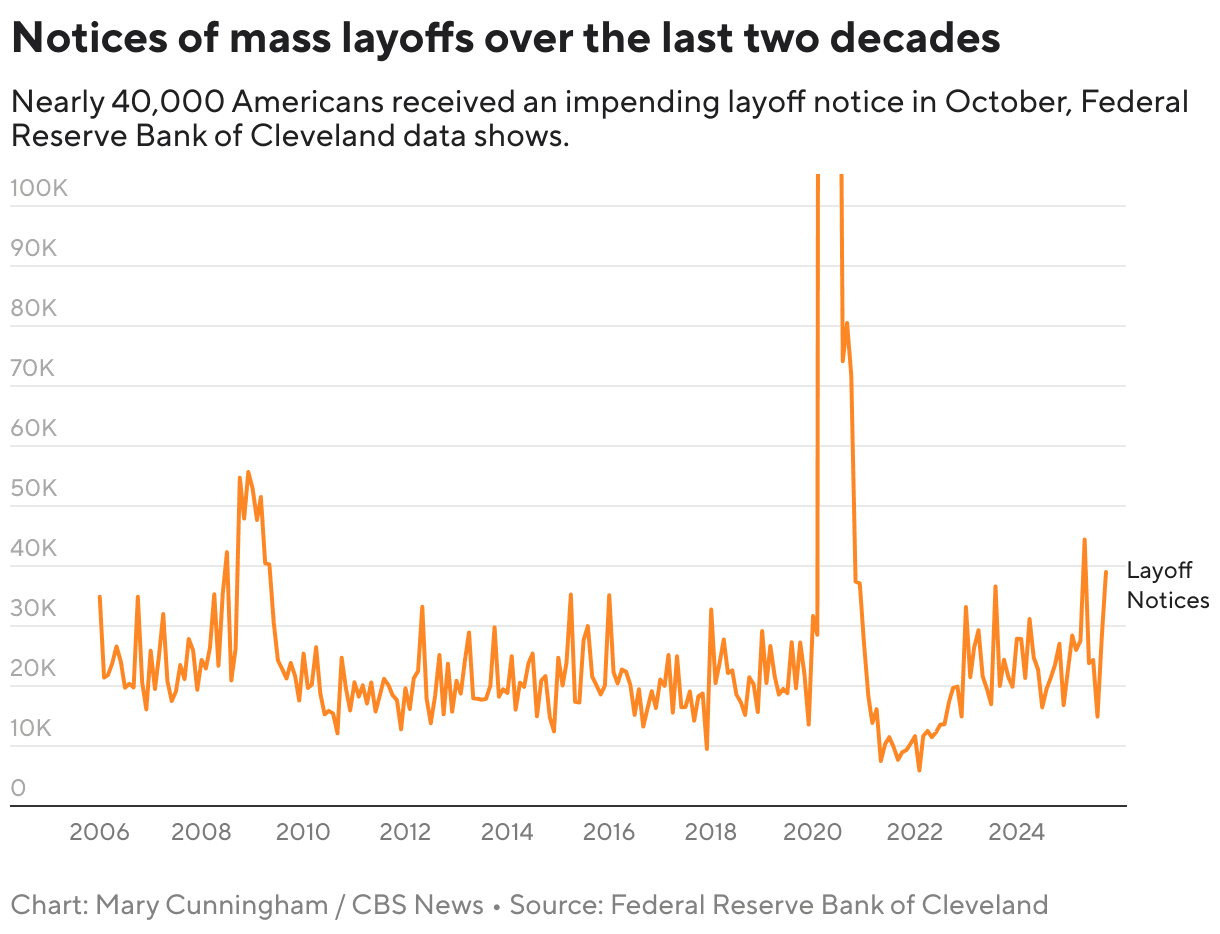
The Office of Personnel Management has proposed a rewrite of reduction in force procedures that would make it easier for agencies to carry out mass federal layoffs and route appeals inside the executive branch, a move critics say risks politicizing removals of career civil servants.
The proposed rule would replace tenure-centered RIF mechanics with a methodology that "places the most emphasis on an employee's three most recent performance appraisals," and would return appeals from the independent Merit Systems Protection Board to OPM. In a public notice cited by officials, OPM said, "This rule proposes to return the venue to hear RIF appeals from MSPB to OPM, thereby honoring congressional intent and historical practice, improving the consistency of regulatory interpretation, and streamlining the RIF process by housing it from beginning to end at OPM."
OPM frames the changes as corrective: the agency described existing RIF procedures as "outdated" and "cumbersome" and said agencies struggled to implement mass layoffs in 2025, citing those implementation problems as justification for the overhaul. Drafts of the policy circulated last fall and a proposed rule is set for publication in the Federal Register, agency notices show.
Labor groups and workforce experts warn the package would do more than speed process. Everett Kelley, national president of the American Federation of Government Employees, said, "When taken together with other proposals to strip the Merit Systems Protection Board of jurisdiction over RIF appeals and to sharply limit the number of top performance ratings managers may issue, the measure paves the way for arbitrary mass firings of federal workers." Unions and some former agency officials contend concentrating appeal authority inside OPM will subject layoff disputes to political influence because OPM leadership is appointed by the president.

The proposal arrives against a backdrop of aggressive workforce reductions and contingency memos. An OMB memo from September told agencies to prepare for mass layoffs if a government shutdown occurred October 1, and a Feb. 26 OPM and OMB memo outlined a "workforce optimization initiative" directing agencies to identify statutorily mandated functions and to consider cutting management layers, consultants and contractors. Agencies have already moved on large-scale plans: the Department of Education is pursuing a step that would remove nearly half its workforce, the Department of Veterans Affairs at one point targeted reductions as large as 80,000 employees before walking back plans, the Social Security Administration has offered voluntary buyouts ahead of potential RIFs, and the State Department trimmed roughly 9 percent of its staff. Housing and Urban Development lost an estimated 2,300 staffers, about 23 percent of its workforce, including a 70 percent reduction in its Office of Fair Housing.
The transition of appeal venue highlights legal and institutional stakes. MSPB is an independent agency created to protect merit principles across administrations; moving RIF adjudication to OPM would centralize administrative control of layoffs. Courts have already intervened repeatedly during recent rounds of terminations, with hundreds of firings rescinded or paused by judicial orders while several Supreme Court rulings have allowed actions at more than a dozen agencies to resume.
For federal employees the practical shift would be immediate: recent performance appraisals would carry new weight in layoff decisions, and the path to challenge a separation would run through an executive agency rather than an independent board. The rule would effectively change both the criteria agencies use and the forum in which workers seek redress, reshaping the mechanics of federal employment disputes and the balance of oversight over mass workforce reductions.
Know something we missed? Have a correction or additional information?
Submit a Tip