Optimistic Outlook Sees Fuel Reserves as Half Full, Not Half Empty
The U.S. Strategic Petroleum Reserve sits at 415 million barrels, roughly 58% of capacity, as the IEA launches its largest-ever emergency oil release amid Middle East conflict.
The numbers tell two very different stories depending on who is reading them. The U.S. Strategic Petroleum Reserve holds approximately 415 million barrels of crude, a figure that pessimists read as a buffer covering barely 64 days of national consumption and optimists frame as a meaningful recovery from the reserve's recent lows. The Trump administration's refilling effort brought the reserve back to 415 million barrels by early 2026, up from roughly 395 million barrels one year prior. That 20-million-barrel gain, modest against the scale of global disruption now underway, is nonetheless the foundation of the more optimistic reading.
The backdrop against which that optimism must hold up is severe. The Strait of Hormuz, a narrow channel along the Iranian coast, has been blocked since U.S. and Israeli forces began airstrikes on Iran on February 28, sending global supply into freefall. The International Energy Agency estimated that global supply dropped by 8 million barrels per day in March, a volume equal to almost 8% of world demand. The U.S. Energy Information Administration's April 2026 Short-Term Energy Outlook added further weight to the picture: production shut-ins averaged 7.5 million barrels per day in March and were expected to peak at 9.1 million barrels per day in April, implying a global inventory draw of 5.1 million barrels per day in the second quarter of 2026.
The IEA agreed on March 11 to release a record 400 million barrels of oil from the emergency reserves of its 32 member countries, the largest such action in the organization's history, surpassing the 182 million barrels released after Russia invaded Ukraine in 2022. The United States committed 172 million barrels of that total. The Department of Energy subsequently issued a Request for Proposal for an exchange of up to 86 million barrels from the SPR as a first tranche of that commitment.
For those keeping score on capacity, the context sharpens the "half full" framing considerably. Congress originally authorized the reserve to hold up to 1 billion barrels of crude and refined petroleum products, and the SPR reached its historical peak of 726.6 million barrels on December 27, 2009. Against that ceiling, 415 million barrels is closer to half empty. China has aggressively expanded its own strategic stocks over the past decade to an estimated 1.4 billion barrels, surpassing the U.S. as the world's largest holder.
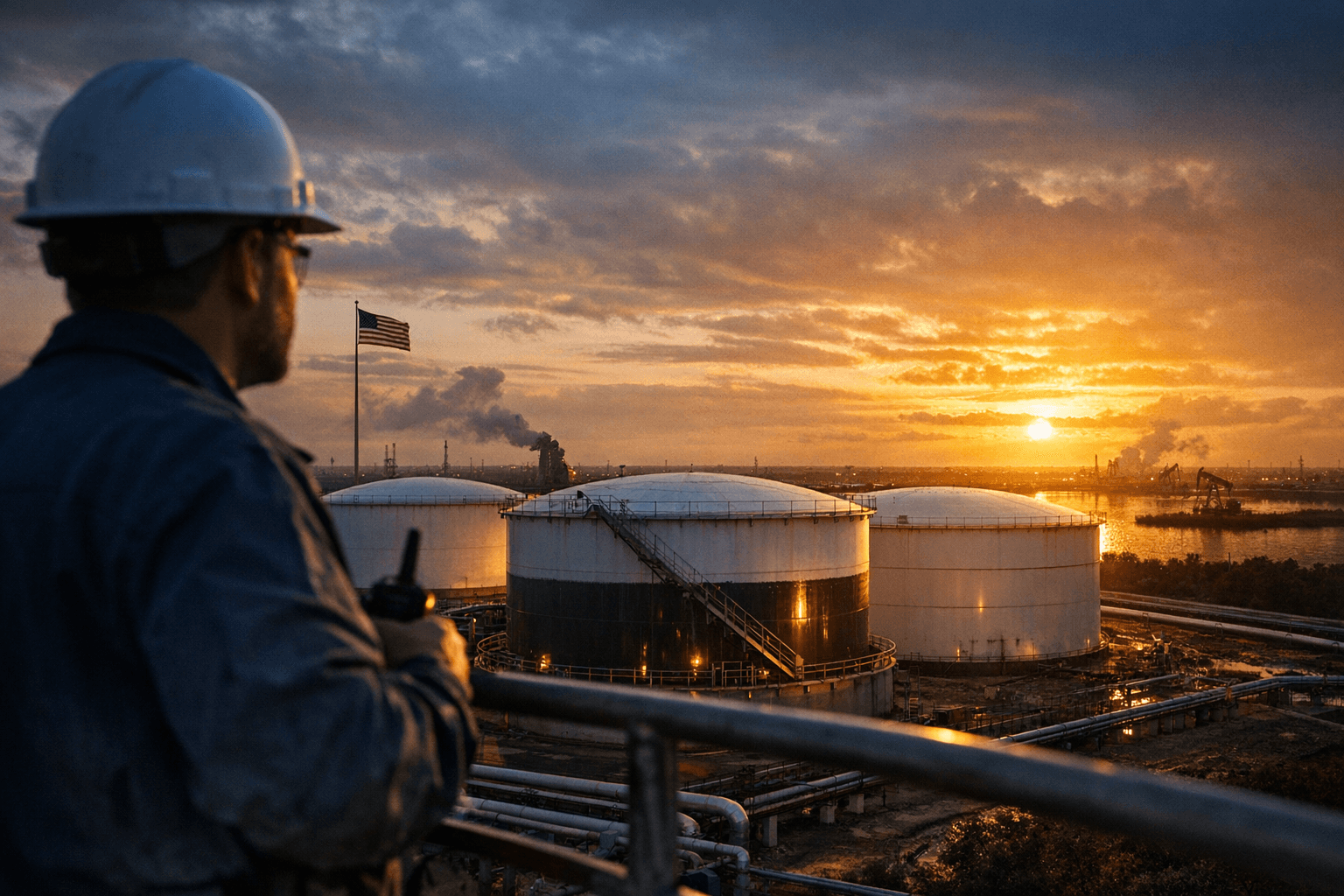
Prices reflect the strain. The EIA forecast retail gasoline prices to peak at a monthly average of close to $4.30 per gallon in April and average more than $3.70 per gallon across 2026, while diesel prices were expected to peak at more than $5.80 per gallon in April and average $4.80 per gallon for the year.
The IEA noted that supply could rise in April as some Middle East Gulf producers use alternative export routes, a thread of genuine optimism woven into an otherwise grim outlook. Whether the reserve is viewed as half full or half empty may ultimately depend less on ideology than on how quickly those alternative routes can compensate for what the Strait of Hormuz once carried.
This article was produced by Prism’s automated news system from verified source data, official records, and press releases, then run through automated quality and moderation checks before publishing. The system is built and supervised by the people who set the standards it runs under. Read our full AI policy.
Did this article answer your question?