Oracle plunges as $15 billion AI spending shocks investors
Oracle shares tumbled after the company raised its fiscal 2026 capital spending plan by roughly $15 billion and issued revenue guidance below analyst expectations, reigniting debate about costly AI build outs and returns. The selloff underscores investor anxiety that rapid infrastructure investment is outpacing revenue gains, with implications for valuation, debt metrics and the broader cloud AI arms race.
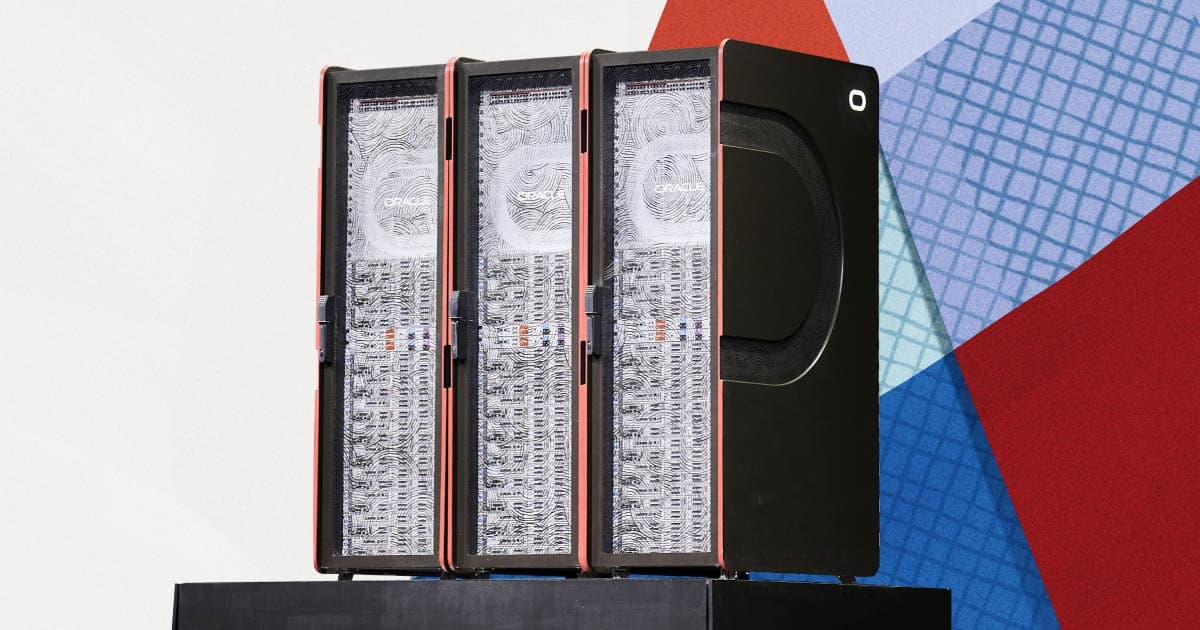
Oracle’s stock fell sharply on December 11 after the company disclosed a major increase in capital expenditures and lowered near term revenue growth expectations, prompting investors to reassess the pace and profitability of AI related spending. Reuters reported the shares opened almost 12 percent lower in Frankfurt following U.S. after hours moves, a decline that showed in market snapshots of around 12.1 percent with a trade at about 195.82 and volume in the tens of millions of shares.
The company said fiscal 2026 capital expenditures would be roughly $15 billion higher than earlier estimates, a step up that management said was intended to build the infrastructure to support growing demand for AI services. At the same time Oracle forecast third quarter revenue growth of 16 percent to 18 percent, below market expectations put near 19.4 percent, a shortfall that intensified investor concern that spending is not translating into faster revenue or profit gains.
Analysts highlighted the tension between speed of build out and near term returns. Bank of America Global Research attributed some of the weakness to the pace of investment, saying the news reflected “more capex investment cycles needed to support demand, with the company paying the price for the abnormal speed in which investment is required to meet current AI demand trends.” Jefferies noted a backlog of about $523 billion described as slightly ahead, but flagged unresolved questions about financing for AI related debt even as Oracle reiterated its commitment to maintaining an investment grade debt rating.
Valuation metrics have moved in the spotlight as investors weighed the cost of the ramp. LSEG data showed Oracle trading at a forward price to earnings ratio near 29.56, above Microsoft at about 27.24 and roughly in line with Amazon at about 29.06, a comparison that underscores why investors worry about a re rating if revenue does not accelerate with spending.

Market snapshots accompanying the move showed mixed activity among large cloud and chip related names, with Microsoft and Nvidia showing modest intraday divergences while broader technology indices ticked lower. Traders pointed to small differences across data feeds as reflecting timing differences between U.S. after hours trading and European market opens, but the consistent facts were the capex increase, the softer revenue guide, and the roughly 12 percent fall in Oracle shares in European trading.
Company executives sought to reassure investors by citing deal structures in which some customers may bring their own chips, a model that management said could lower Oracle’s upfront hardware costs. Investors and analysts remained cautious, however, noting rising debt and negative cash flow in the near term coupled with a spike in capital spending could make Oracle more sensitive to funding costs and execution risk.
The episode sharpens a broader market debate over whether the AI investment boom will produce durable revenue streams quickly enough to justify heavy infrastructure outlays, or whether a period of costly spending will compress margins and valuations for early large scale builders. Investors will be watching Oracle’s execution and the timing of revenue from these AI investments as a bellwether for the industry.
This article was produced by Prism’s automated news system from verified source data, official records, and press releases, then run through automated quality and moderation checks before publishing. The system is built and supervised by the people who set the standards it runs under. Read our full AI policy.
Did this article answer your question?