Orbán’s defeat jolts Trump’s European right-wing allies
Orbán’s fall ends a 16-year rule and undercuts the MAGA argument that hard-right nationalism can be both popular and durable.
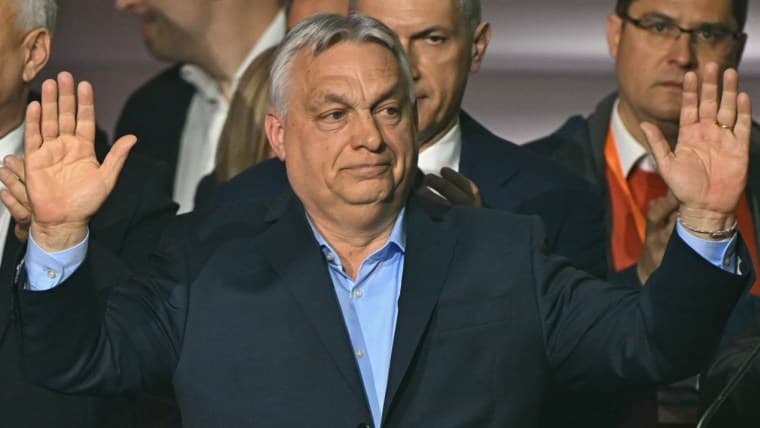
Viktor Orbán’s concession ended 16 years of rule and dealt a sharp blow to the Trump-aligned right that had treated Hungary as proof that hard-line nationalism could win and last. Péter Magyar’s Tisza Party was projected to take a two-thirds supermajority in Hungary’s 199-seat National Assembly, a result that turned Orbán’s model of power into a cautionary tale.
The defeat landed hardest in Washington’s conservative orbit. JD Vance traveled to Budapest on April 7 to urge Hungarians to back Orbán days before the vote, saying Orbán could serve as a model for the continent. After the result, Vance said Monday evening that he was not surprised, the Trump administration’s first public acknowledgment of a loss that had exposed the limits of its European alliances. Donald Trump did not comment immediately.
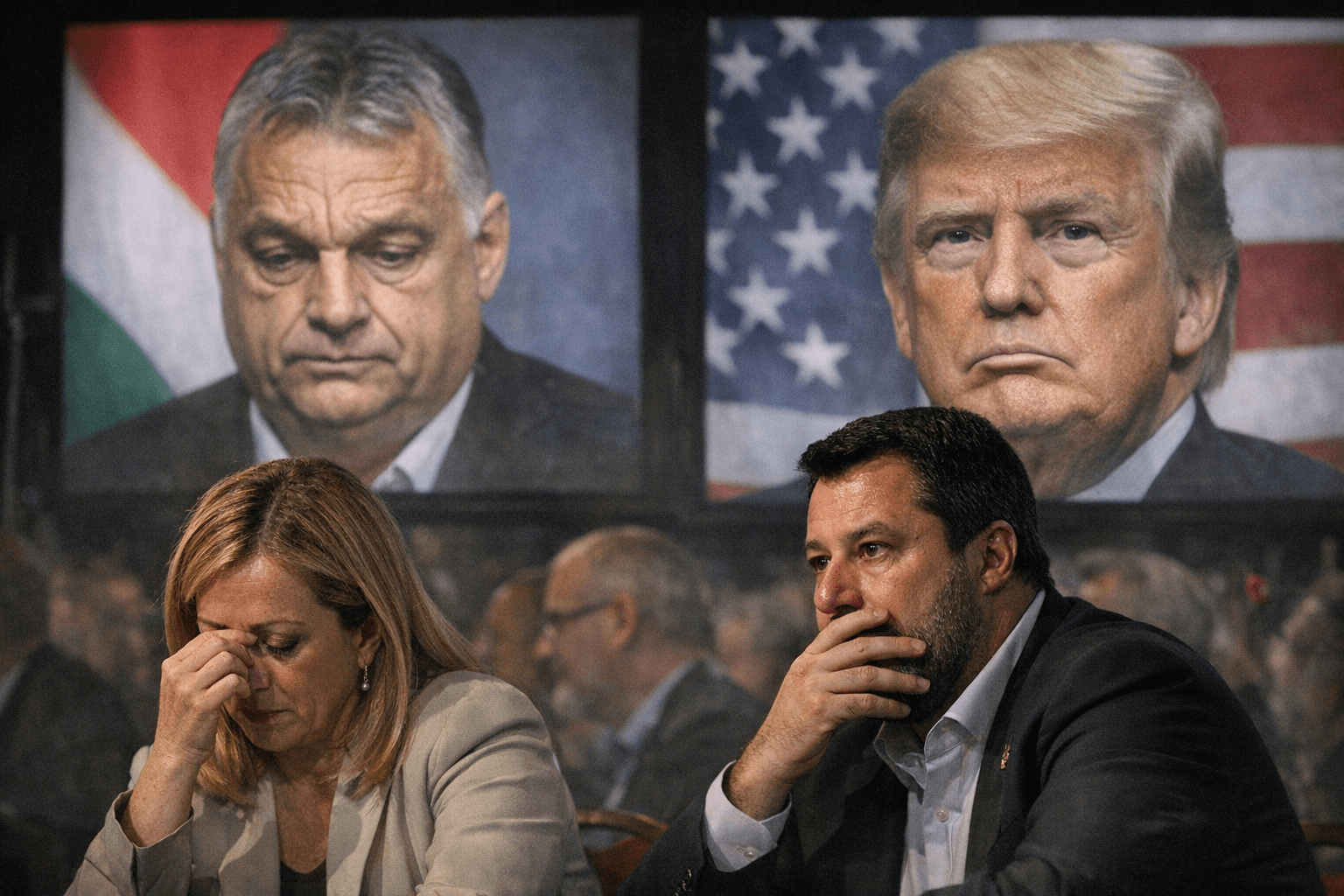
For MAGA figures, Orbán had represented more than a foreign ally. He had become a governing template, with his nationalism, anti-immigration politics and open resistance to Brussels often held up as evidence that an “illiberal democracy” could survive pressure from liberal institutions. Orbán first became prime minister in 1998, returned to power in 2010 and then won four consecutive supermajorities in 2010, 2014, 2018 and 2022. His system rested on constitutional rewrites, media consolidation and a sustained clash with the European Union over democratic backsliding, rule-of-law concerns, media freedom and minority rights. That political architecture looked formidable until it ran into a voters’ revolt.
The scale of the rejection mattered as much as the loss itself. Turnout reached about 79 percent, the highest since 2002, and early results suggested Tisza won roughly 135 to 138 seats, while Fidesz was reduced to about 55 to 57. Magyar cast the result as a break with a political system that had hardened around Orbán. The campaign had been framed as a choice between war and peace, with the government attacking Brussels and Ukraine, but opposition voters focused instead on corruption, economic frustration and Hungary’s place inside Europe.
The consequences now reach beyond Budapest. Reuters reported that an Orbán defeat could help unblock a proposed 90-billion-euro European Union loan for Ukraine and strip Russia of one of its most reliable allies inside the bloc. European Commission President Ursula von der Leyen praised the result as a victory for fundamental freedoms, while financial markets responded quickly, with the Hungarian forint hitting a four-year high and 10-year government bond yields falling. Orbán’s loss also weakened another beneficiary of his alliance, Benjamin Netanyahu, whose own political camp had embraced Orbán as a close European partner. For the Trump world, the larger lesson is harder to dismiss: the case for illiberal democracy is less convincing when one of its most celebrated examples can be voted out of office.
This article was produced by Prism’s automated news system from verified source data, official records, and press releases, then run through automated quality and moderation checks before publishing. The system is built and supervised by the people who set the standards it runs under. Read our full AI policy.
Did this article answer your question?


