Oregon Appeals Court Cuts PacifiCorp's Wildfire Liability, Reducing Potential Damages
An Oregon appeals court ruling slashes the scope of potential damages against PacifiCorp, which faced up to $52 billion in wildfire liability from deadly 2020 Labor Day fires.
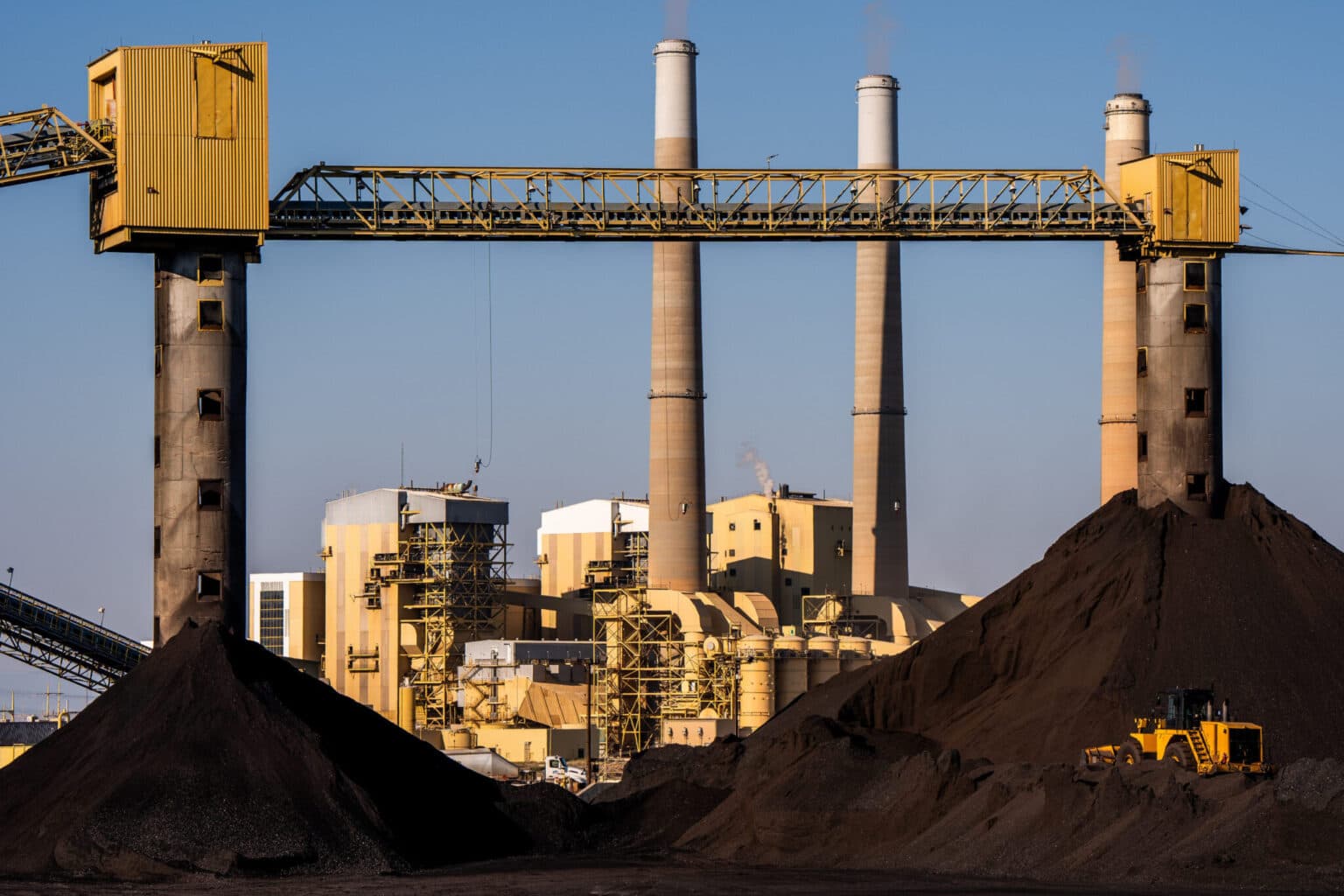
The Oregon Court of Appeals handed Berkshire Hathaway's PacifiCorp a significant legal victory Tuesday, issuing a ruling that could materially reduce the damages the utility owes to thousands of Oregonians whose properties were destroyed by the catastrophic Labor Day fires of September 2020. The decision shifts the financial calculus on one of the largest utility wildfire cases in American history, one that had threatened to expose the Portland-based company to as much as $52 billion in potential liability.
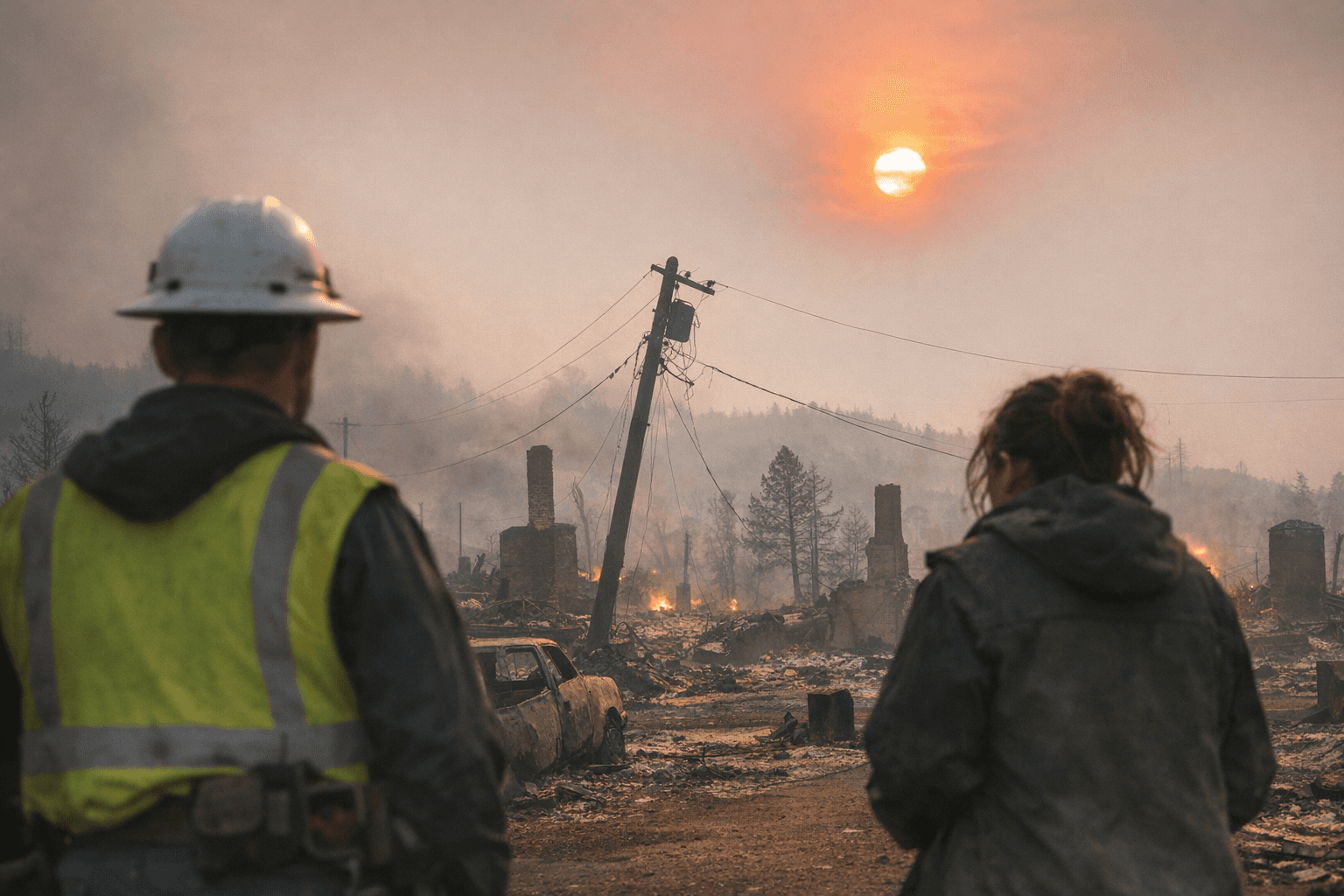
PacifiCorp, which calls itself the largest grid operator in the western United States, has been under mounting pressure after being blamed for igniting a series of wildfires that devastated Oregon in September 2020. In the first major wildfire case against a utility to go to trial, the company was found grossly negligent for failing to shut off electricity in its service areas ahead of dangerously dry and windy weather. The blazes, including the Santiam Canyon, Echo Mountain Complex, South Obenchain and Two-Four-Two fires, killed five people in the Santiam Canyon alone and burned more than 400,000 acres across the state.
PacifiCorp's lawyers argued before a three-judge panel that the case never should have proceeded as a class action on behalf of thousands of individual fire victims, contending the class improperly grouped together property owners affected by different wildfires across distant areas. Tuesday's appellate ruling accepted key elements of that argument, concluding that certain legal standards for awarding the damages sought by some plaintiffs were not met and that liability should be apportioned differently across the class. The ruling does not extinguish all remaining claims, but it limits the scope of recovery, may send specific issues back to lower courts, and requires that damages in some categories be recalculated.
The financial stakes are concrete. PacifiCorp had already agreed to pay about $1.7 billion through November to resolve nearly 4,200 wildfire claims, including those from dozens of wineries and vineyards, and had set aside $2.8 billion in reserves through September 30. As recently as February, a jury awarded $305 million to just 16 Santiam Canyon survivors, pushing the company's total court-ordered liability past $1 billion and signaling the ruinous trajectory of the ongoing litigation. Another 167 trials had been scheduled through 2027. Tuesday's decision could substantially narrow how many of those proceed, and on what terms.
Plaintiffs' attorneys and local officials expressed disappointment and indicated they would evaluate further appeals or alternative legal strategies to preserve their clients' claims. Company representatives said the ruling supports PacifiCorp's arguments and provides a path to limit exposure in what has been a financially and reputationally damaging stretch for the utility. Berkshire Hathaway acquired PacifiCorp for $5.1 billion in 2006, and its parent Berkshire Hathaway Energy has faced credit and balance sheet pressure as the litigation expanded.
The Camp Fire in California in 2018 killed 85 people and displaced 50,000, ultimately bankrupting PG&E, California's largest electric utility, amid a slew of lawsuits from victims, local governments, and insurance companies. In the wake of that and other disasters, bills began cropping up in state legislatures across the West striving to limit utility companies' liability for causing wildfires. California's legal framework imposes strict liability through inverse condemnation, meaning utilities there can owe damages even without a finding of negligence. Oregon's approach, built on a negligence standard, gave PacifiCorp its legal foothold in Tuesday's appeal.
The ruling arrives as regulators and investors across the region watch closely how courts assign responsibility for fire losses in an era of intensifying fire seasons. For utilities, the decision reinforces the strategic value of contesting class certification and challenging damage methodologies before appellate courts, rather than absorbing liability at the trial level. For the thousands of Oregon plaintiffs still waiting on compensation, it means a longer road, and likely a smaller one.
Sources:
Know something we missed? Have a correction or additional information?
Submit a Tip