Oregon's Willamette Valley Stakes Claim as America's Sparkling Wine Capital
Sparkling wine production in Oregon's Willamette Valley has jumped 25-30% in four years, with Method Oregon setting certification standards to rival Champagne.
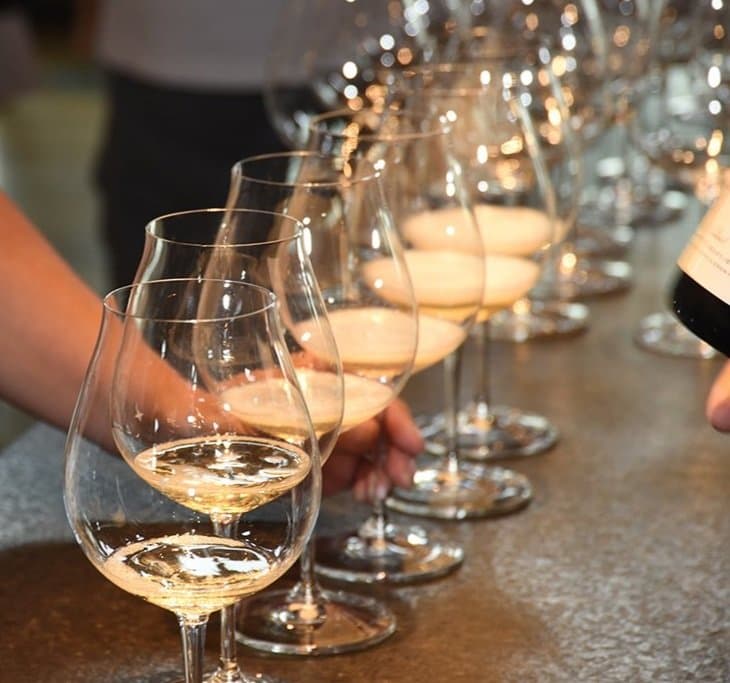
The Willamette Valley, already celebrated for Pinot Noir, is making a calculated bid for a second identity: America's premier address for traditional-method sparkling wine. Sparkling production across Oregon climbed an estimated 25 to 30 percent over the last four years, and more than 100 wineries in the state now produce sparkling wines, signaling a shift from occasional bottlings to a coordinated regional push.
At the center of that effort is Method Oregon, a non-profit founded by local sparkling winemakers to set enforceable standards and elevate the valley's profile nationally. To carry the Method Oregon mark, a wine must be 100 percent produced in Oregon, made via the méthode champenoise, the bottle fermentation technique used in Champagne, and aged a minimum of 24 months en tirage, the period wines spend resting on yeast that gradually builds complexity.
Andrew Davis, director of winemaking at Lytle-Barnett, a winery focused exclusively on sparkling wines, captured the regional ambition precisely: "I sincerely believe that we can be that place, and we're just now getting that story started."
The valley's geography underpins the case. Stretching from Portland south to Eugene, it sits in a cool-climate corridor where cold nights and warm summer days slow ripening and preserve the sharp acidity that premium sparkling wine demands. Those conditions support not only the classic Champagne varieties, Pinot Noir and Chardonnay, but also Pinot Meunier and Pinot Blanc, broadening the stylistic range available to producers working in the traditional method.
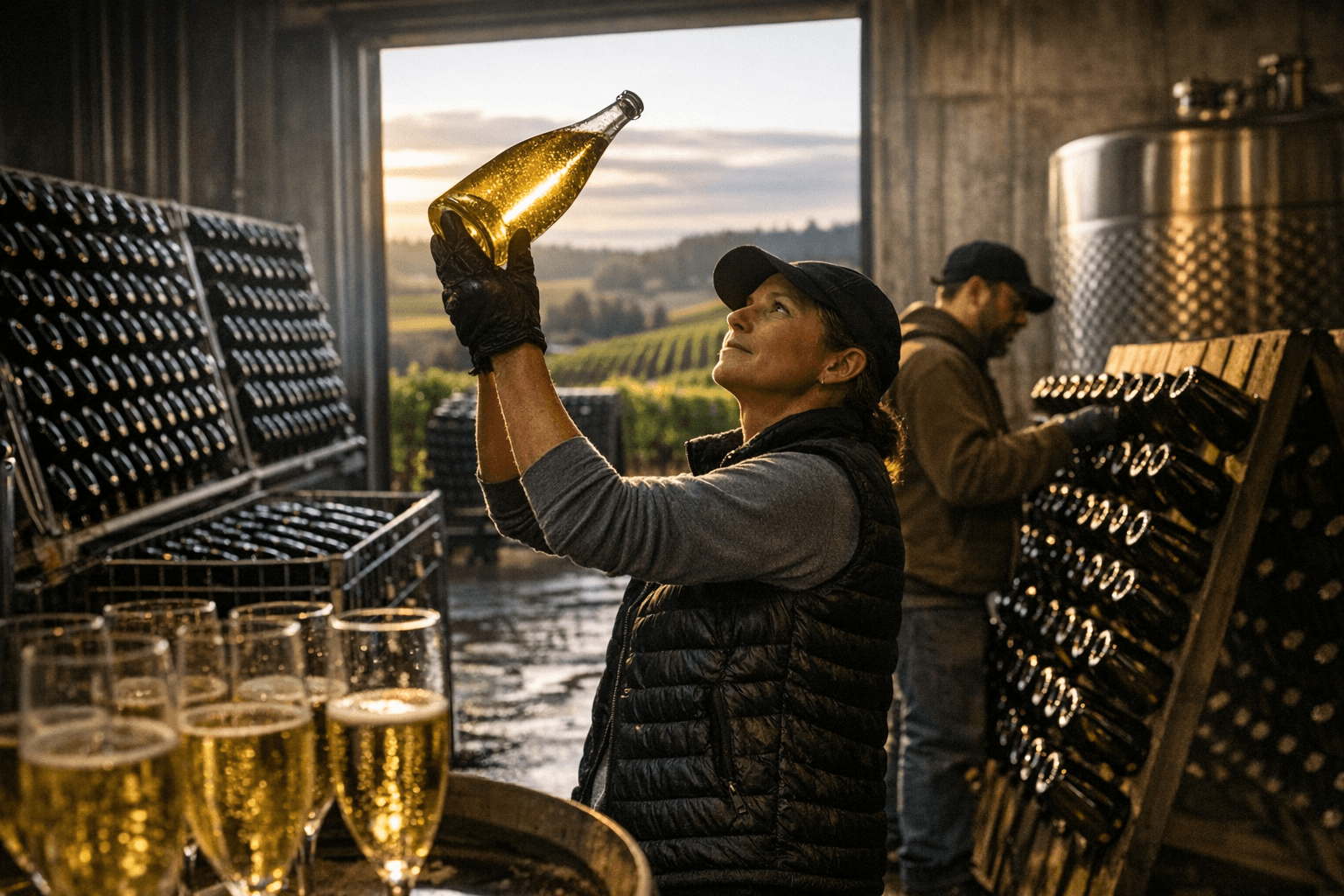
Method Oregon will host its second Grand Tasting Weekend in July, a public showcase designed to draw consumers and trade buyers directly to the region and cement sparkling wine alongside Pinot Noir in the valley's commercial identity.
The commercial logic is straightforward: a codified regional identity for bottle-fermented sparkling wine could give Oregon producers meaningful leverage in export markets, support higher price points, and anchor a new strand of wine tourism. If the effort gains traction, it may also offer a replicable blueprint for other American wine regions seeking to build prestige around a high-value category, particularly as climate change and shifting consumer tastes continue to redraw the global wine map. Oregon is betting the Willamette Valley does not have to wait much longer for that recognition.
This article was produced by Prism’s automated news system from verified source data, official records, and press releases, then run through automated quality and moderation checks before publishing. The system is built and supervised by the people who set the standards it runs under. Read our full AI policy.
Did this article answer your question?

