Osaurus brings local and cloud AI models to your Mac
Osaurus lets Mac users keep memory, files, and keys on-device while switching to cloud AI when they need more power. The catch: local models can demand 64 GB to 128 GB of RAM.
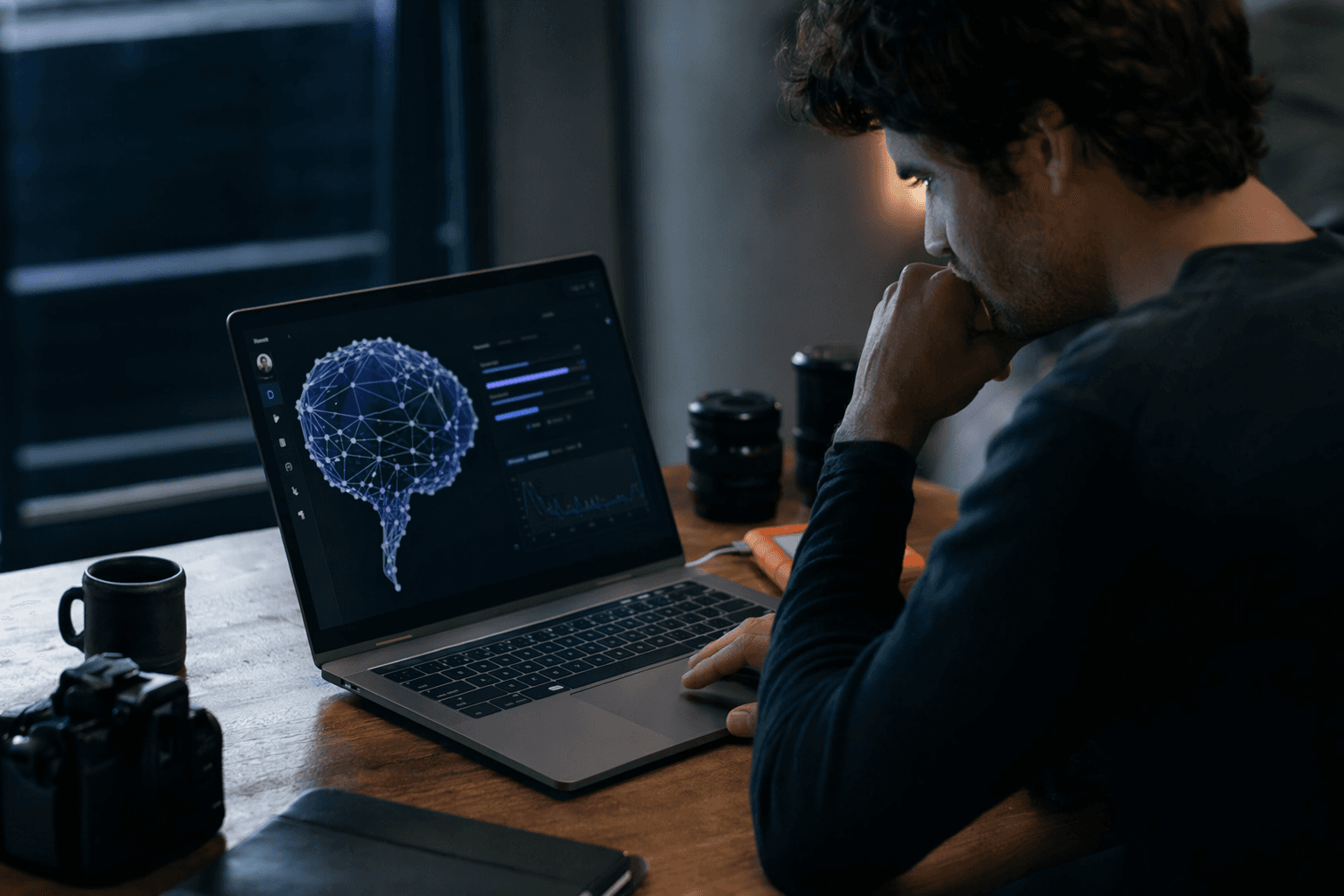
Osaurus is betting that the future of consumer AI on the Mac is not cloud-only, but a hybrid model that keeps the most sensitive parts of an assistant on the user’s own hardware. The open-source app, built in Swift for Apple Silicon Macs, says its memory, history and keys stay on the Mac unless the user chooses otherwise, and it can run fully offline with local models or connect to providers such as OpenAI and Anthropic when extra power is needed. It works on macOS 15.5 or later.
That privacy-first pitch lands at a moment when many users are asking a sharper question about AI assistants: why send personal files, browser history or device context to a remote server if the machine on the desk can do the job locally? Osaurus answers with a hardware-isolated virtual sandbox and a software layer that keeps agents, memory, tools and identity on the user’s Mac. In that sense, the app is less a single model than an orchestration layer, one that tries to make local AI feel usable without forcing people to give up control over their own data.

The tradeoff is clear. Local processing protects privacy, but it is still expensive in hardware. TechCrunch reported that running local models on Osaurus needs at least 64 GB of RAM, and larger models such as DeepSeek V4 may require about 128 GB. That puts the strongest version of the experience out of reach for many mainstream Mac users, even on high-end machines. The hybrid setup helps here, since cloud models can fill the gap when a task needs more capacity, but the privacy benefits shrink once a prompt, file or workflow leaves the machine.
Osaurus grew out of Dinoki, a desktop AI companion co-founder Terence Pae once described as an “AI-powered Clippy.” Pae, who previously worked as a software engineer at Tesla and Netflix, said customers questioned why they should keep paying for tokens if they were already paying for an app, pushing him toward a local-first approach. The project says that approach is resonating: its GitHub page showed about 5.2k stars and 112.3k downloads. In a market where AI models are increasingly interchangeable, Osaurus is trying to own the layer that matters most to consumers: where the memory lives, who controls the files and how much of daily life leaves the Mac at all.
This article was produced by Prism’s automated news system from verified source data, official records, and press releases, then run through automated quality and moderation checks before publishing. The system is built and supervised by the people who set the standards it runs under. Read our full AI policy.
Did this article answer your question?