X defends anonymous users against Tate brothers' unmasking bid
Andrew and Tristan Tate are trying to force X to name anonymous critics, a fight that could reshape who gets to speak without a name attached.
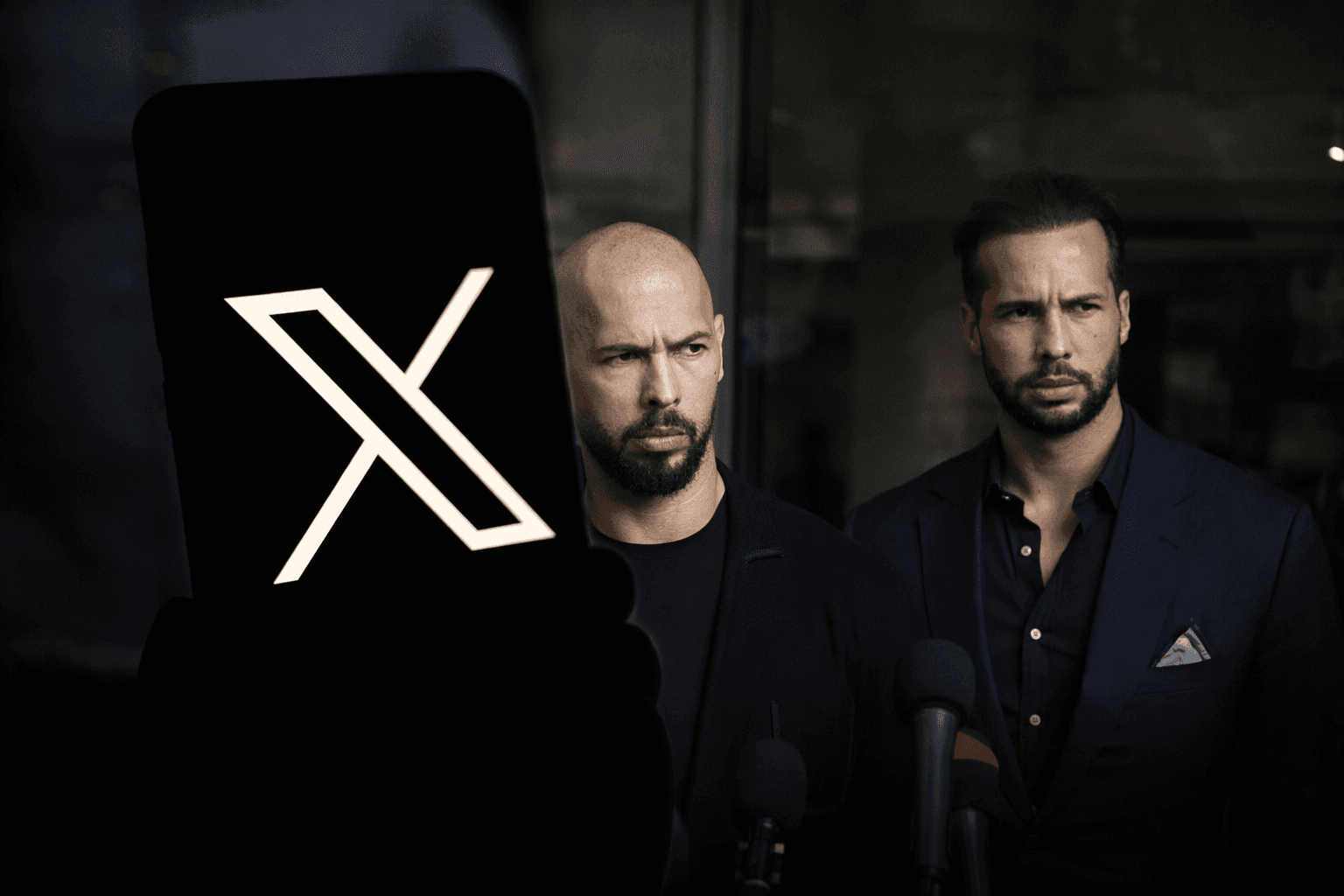
X has landed on the side of anonymous speech in a Florida fight that could reach far beyond the Tate brothers’ feud with their critics. Andrew Tate and Tristan Tate filed suit in Palm Beach County, Florida, under case number 502026CA002555XXXAMB, asking a court to force X Corp. to reveal the identities of users they accuse of defaming them.
The dispute goes to the heart of how the internet handles accusation and accountability. X’s position lines up with a long First Amendment tradition that protects anonymous speakers, and digital-rights advocates have long argued that courts should require a heightened showing before ordering a platform or internet provider to unmask a user. If the Tate brothers win, activists, journalists, whistleblowers and ordinary users who post under pseudonyms could face a lower bar for exposure in future disputes.
The stakes are unusually sharp because the Tate brothers are not just public figures with a large online following. NBC News reported in 2025 that Andrew Tate and Tristan Tate were facing human-trafficking and related criminal allegations in Romania and Britain, and that they arrived in the United States on February 27, 2025, after a travel ban was lifted. NBC News also reported that they may now be under federal criminal investigation in the United States. Their effort to identify anonymous critics has therefore become part of a broader legal and reputational campaign unfolding on multiple fronts.
The filing against X came after the brothers sued the owners of more than a dozen social media accounts last year, several of them pseudonymous, in an effort to challenge posts they say defamed them. A Florida court later dismissed part of a separate defamation case the brothers brought against a group of critics, a sign that their wider litigation strategy has already met resistance on procedural and jurisdictional grounds.
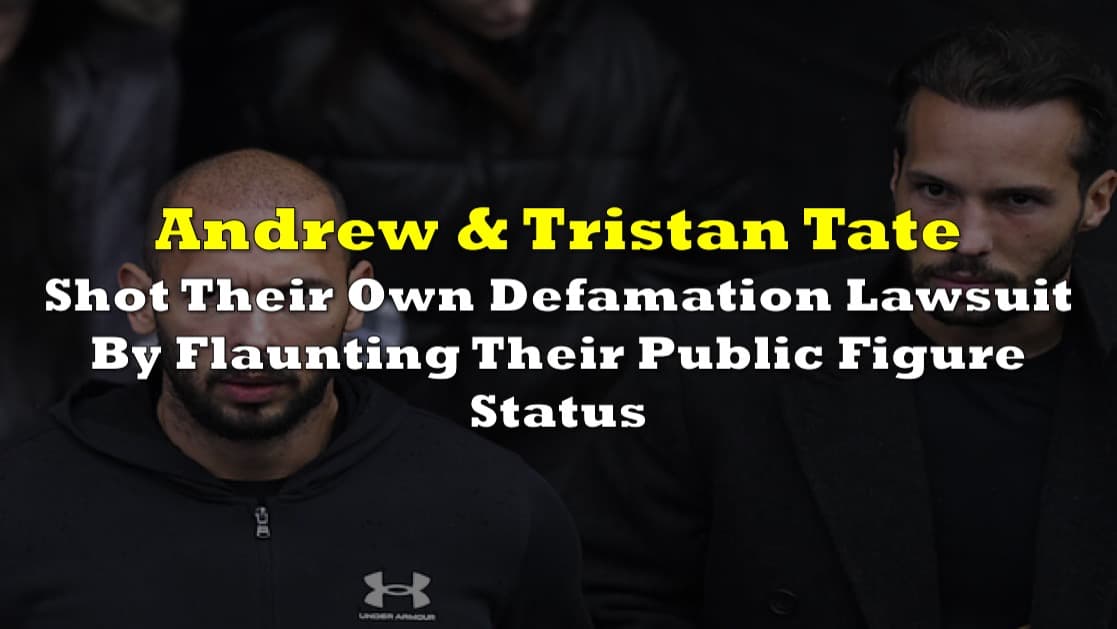
That backdrop matters for what happens next. If courts allow the Tates to pierce platform-held anonymity too easily, the precedent could make it simpler for powerful figures to identify critics and more difficult for users to speak freely about harassment, abuse or misconduct. If X succeeds in defending anonymous accounts, the ruling could reinforce a legal shield that has long protected dissent online, even when that dissent is uncomfortable for the people being criticized.
This article was produced by Prism’s automated news system from verified source data, official records, and press releases, then run through automated quality and moderation checks before publishing. The system is built and supervised by the people who set the standards it runs under. Read our full AI policy.
Did this article answer your question?