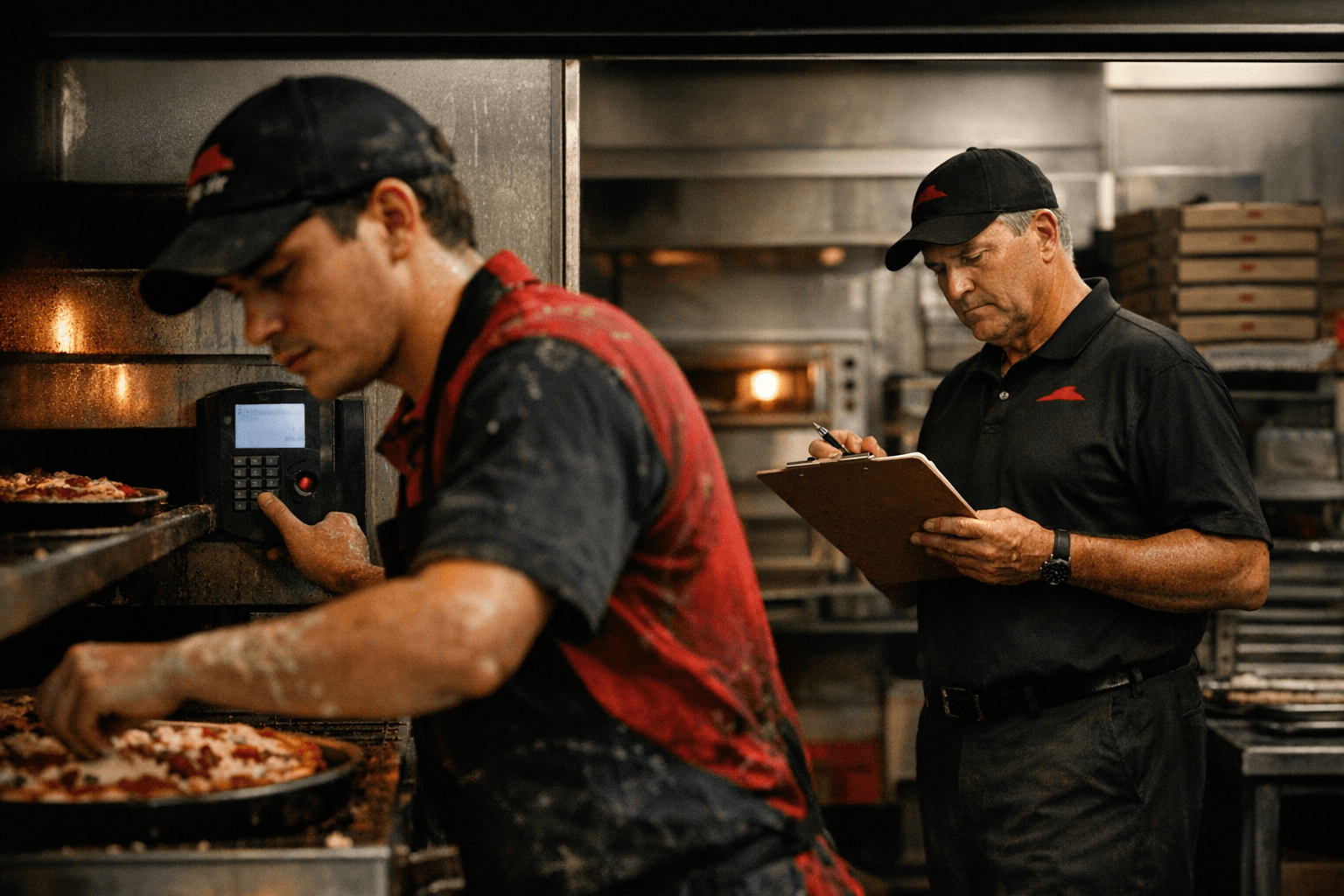
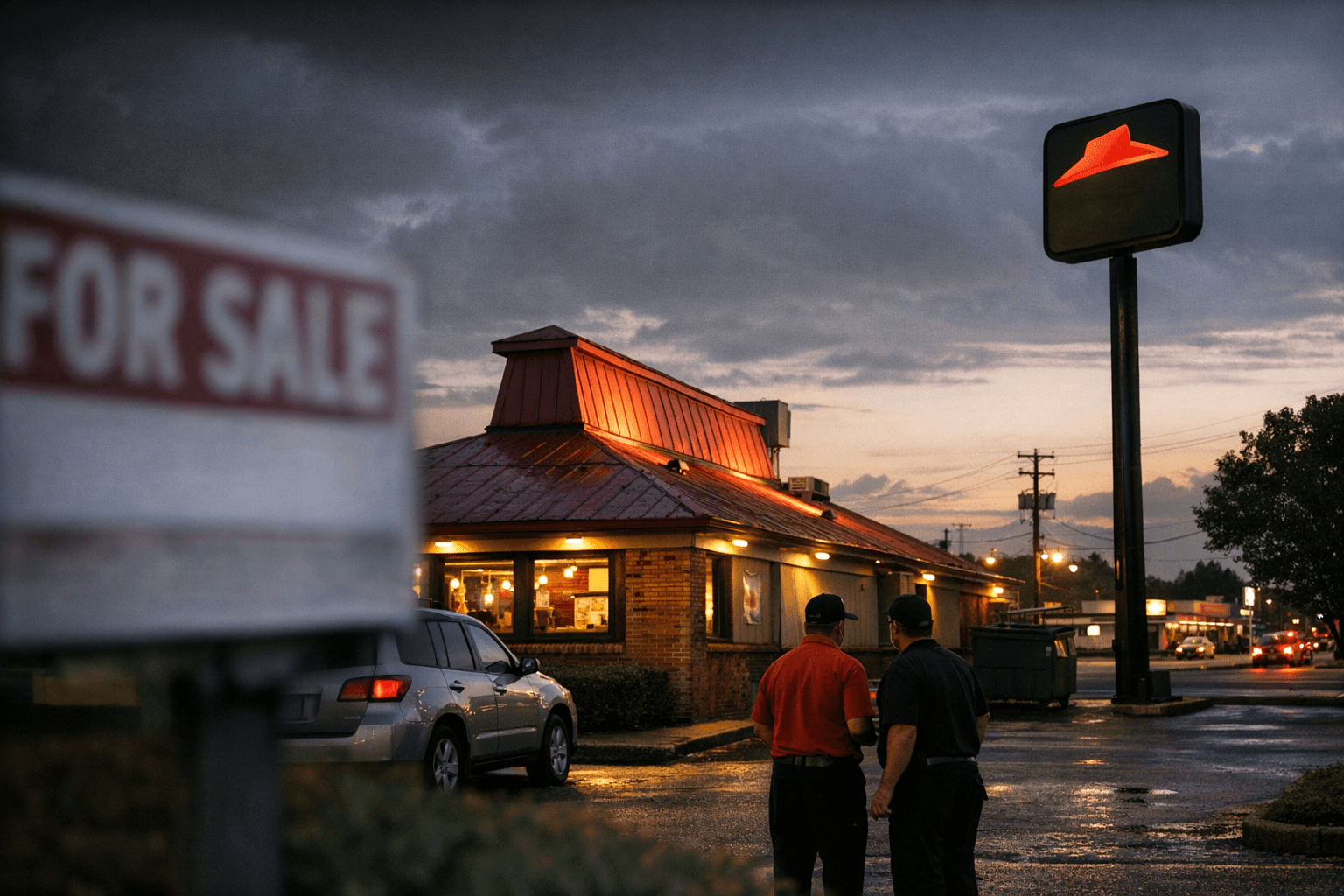
OSHA Guidance Outlines Safety Steps for Pizza Hut Late‑Night Drivers and Staff
OSHA guidance outlines safety steps for late-night Pizza Hut drivers and staff. Operators and franchisees must implement training, recordkeeping, and reporting to protect workers.
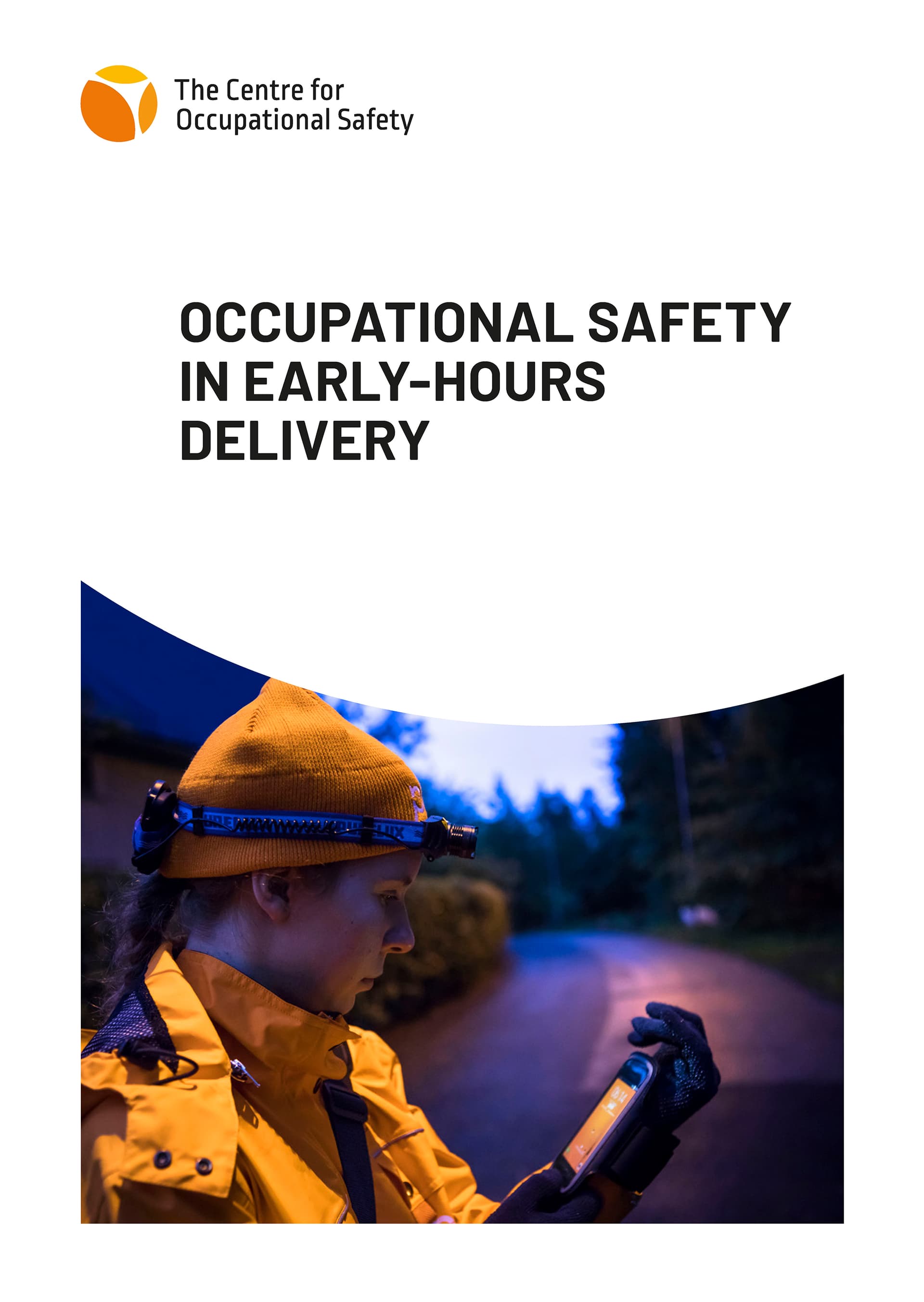
OSHA and related state worker-safety materials set out practical steps employers should take to protect Pizza Hut delivery drivers and in-store crews who work late-night shifts. The guidance covers robbery prevention training, safe-route planning, parking and vehicle safety, cash-handling controls, de-escalation techniques, and clear emergency reporting procedures, and it reinforces employer obligations for training and recordkeeping.
The guidance is aimed at reducing the risk of assaults, robberies, and other incidents that can occur during night deliveries and overnight store operations. For drivers, the materials emphasize safe-route planning and vehicle precautions such as locking doors, parking in well-lit areas, and avoiding high-risk drop-off spots. For in-store staff, the recommendations focus on cash-handling controls, minimizing on-site cash, and procedures for interacting with potentially hostile customers while prioritizing worker safety.
Employers - including Pizza Hut franchisees and operators - are reminded that providing safety training is not optional. The guidance identifies specific topics that should be included in employer-provided training and stresses the need for clear emergency reporting procedures so incidents are logged and addressed. Those reporting and recordkeeping responsibilities can affect how incidents are investigated and how employers adapt operations after events.
Operational changes that may follow include tougher cash controls at registers, increased use of pre-paid and contactless payments, altered delivery policies such as limiting cash orders at night, and changes to scheduling to ensure two-person shifts or staggered deliveries when feasible. Managers may need to update written policies, perform regular training refreshers, and document both training attendance and incident reports to meet employer obligations.

For drivers and crew, the practical takeaway is straightforward: know your store’s route planning rules, follow parking and vehicle-safety protocols, and use de-escalation and emergency-reporting procedures if an incident occurs. For franchise owners and general managers, the guidance means auditing current practices, updating training materials to cover the listed topics, and tightening recordkeeping to ensure incidents and corrective actions are tracked.
Putting this guidance into practice could lower the number of on-the-job incidents and give workers clearer steps to take when situations escalate. For Pizza Hut operators balancing speed of service with safety, the next steps are to review policies, train staff, and document changes so drivers and in-store crew can focus on deliveries and shifts without adding unnecessary risk.
Sources:
Know something we missed? Have a correction or additional information?
Submit a Tip