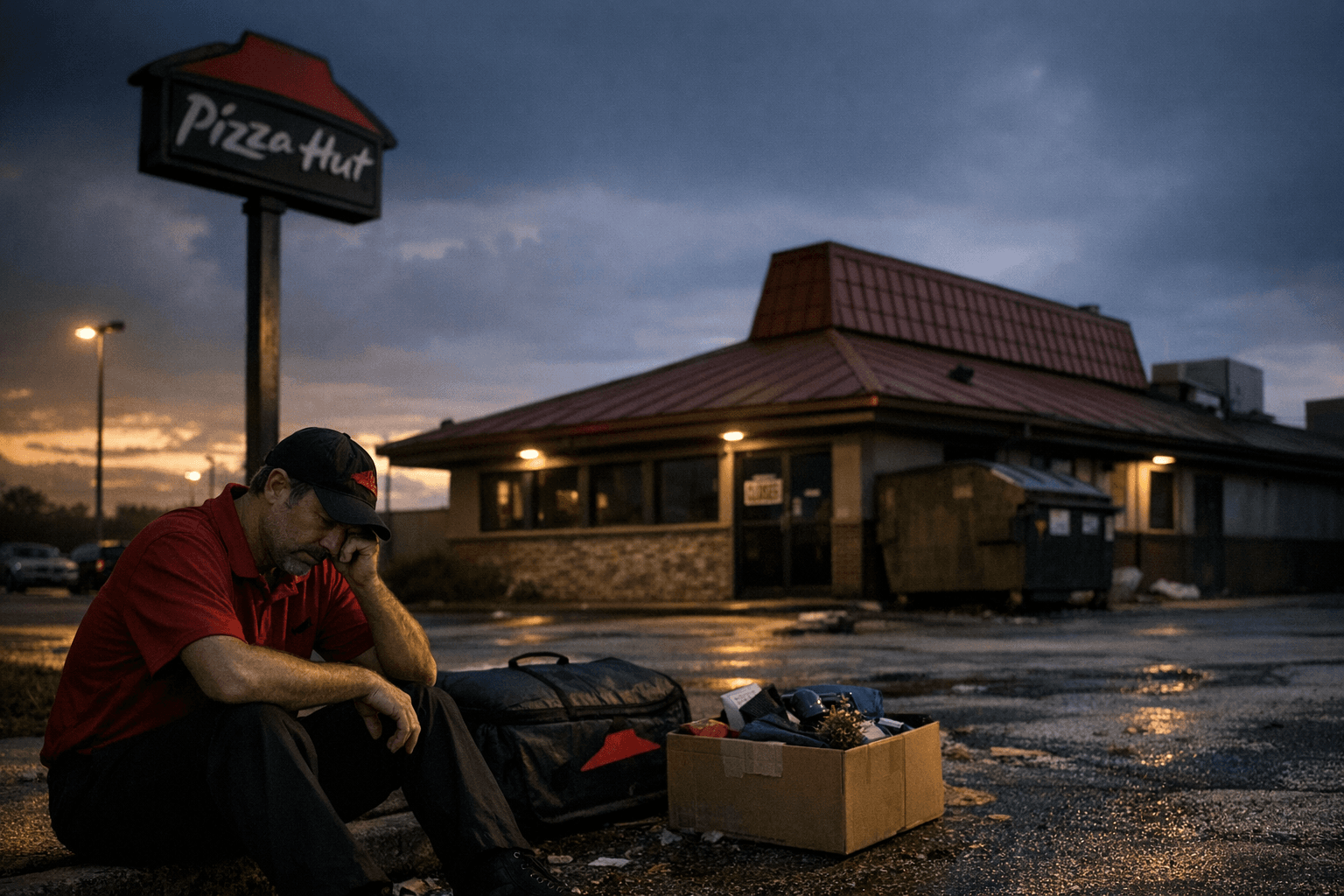
OSHA restaurant safety guidance matters for Pizza Hut workers
The Occupational Safety and Health Administration has published a restaurant safety eTool that outlines common hazards in quick service and full service restaurant settings, and it spells out employer responsibilities and practical controls. The guidance is directly applicable to Pizza Hut operations from drive thru lanes to kitchens, and offers steps managers can take to reduce injuries, improve training, and protect younger workers.
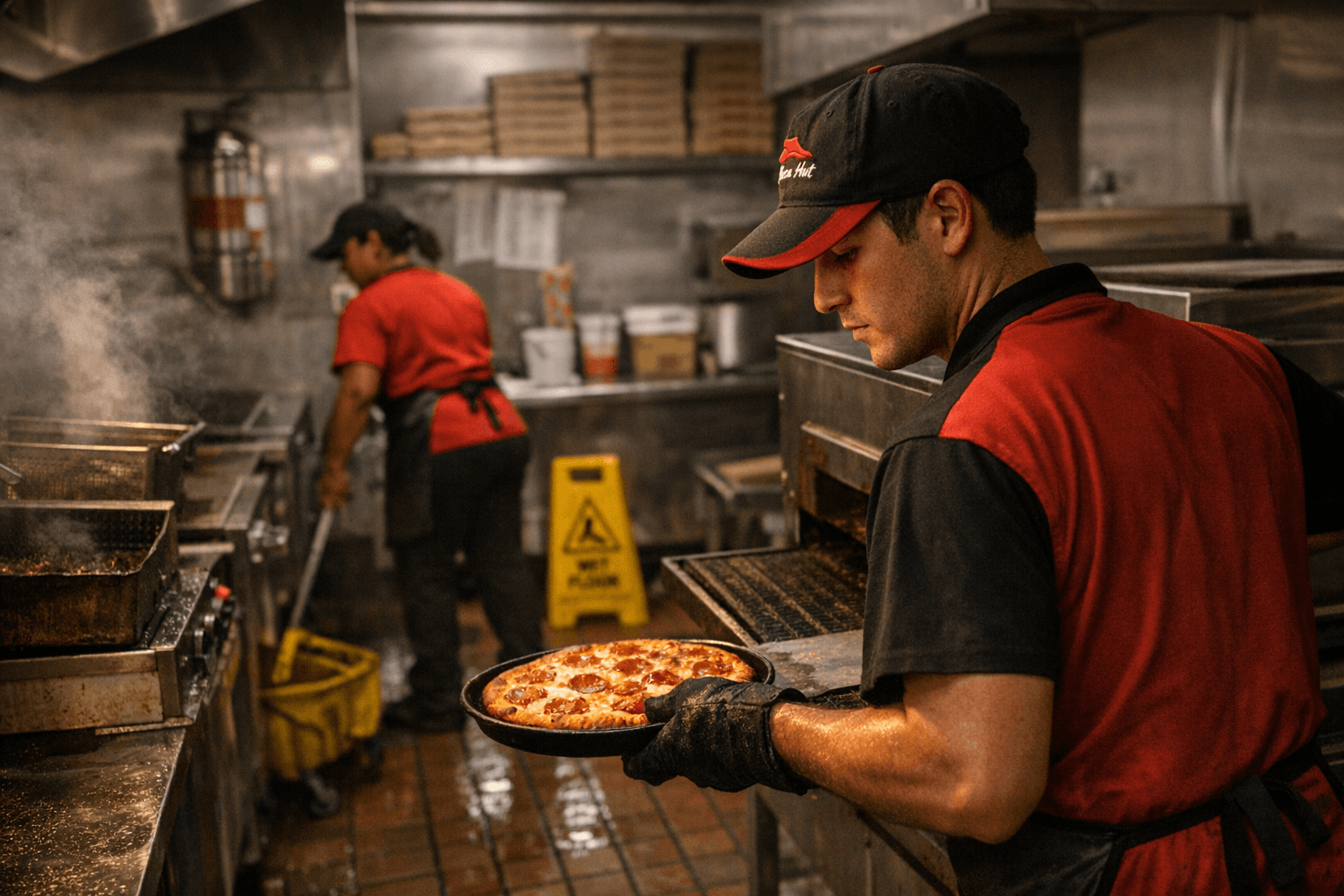
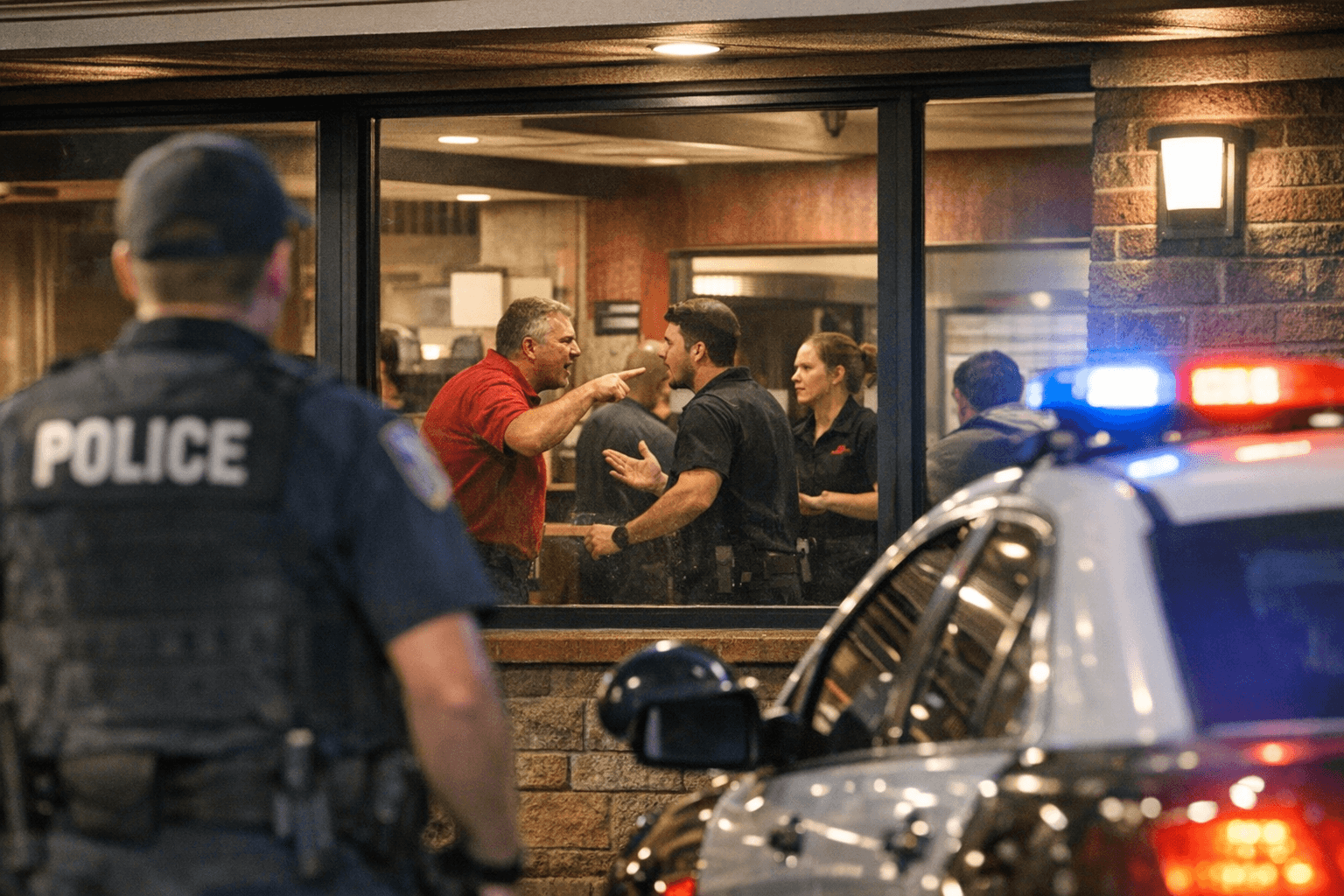
The federal restaurant safety eTool lays out the routine risks front line workers face in quick service and full service restaurants, highlighting exposures that are common in Pizza Hut locations. Drive thru lanes receive special attention, with vehicle exhaust and elevated risks of workplace violence identified as concerns for crew members who work alone or late hours. Kitchens and prep areas are listed as sources of slips, trips and falls, burns from hot equipment, cuts from knives and slicers, strains from lifting and repetitive tasks, and chemical hazards from cleaning supplies.
The resource frames these hazards alongside employer obligations, noting that managers must provide safe working conditions, training, and appropriate controls. Recommended measures include routine safety training, improved ventilation, rotating staff to limit repetitive strain, personal protective equipment, enhanced lighting in parking and drive thru areas, security measures for late shifts, and strict sanitation and chemical handling procedures. The eTool also includes controls tailored to younger workers, who often staff entry level roles, advising closer supervision, task assignments that limit exposure to the most hazardous equipment, and targeted instruction on safe lifting, knife usage, and chemical handling.
For Pizza Hut workers the practical implications are immediate. Implementation of the suggested controls can reduce on the job injuries, lower absenteeism, and ease scheduling pressure caused by unexpected short term losses of staff. Better lighting and security in drive thru and parking areas can decrease worker fear and turnover for evening shifts. For managers, clearer training curricula and documented safety practices help meet legal responsibilities and reduce liability from workplace incidents.
Operational trade offs will be required. Increased ventilation and upgraded lighting have capital costs, and scheduling rotations to reduce strain can complicate staffing for peak hours. However, the eTool frames those expenses as investments in workforce stability and in lowering injury related costs. For younger and less experienced crew members, the guidance offers concrete steps managers can adopt now to reduce acute risks and build safer habits that will improve team morale and retention over time.
Know something we missed? Have a correction or additional information?
Submit a Tip